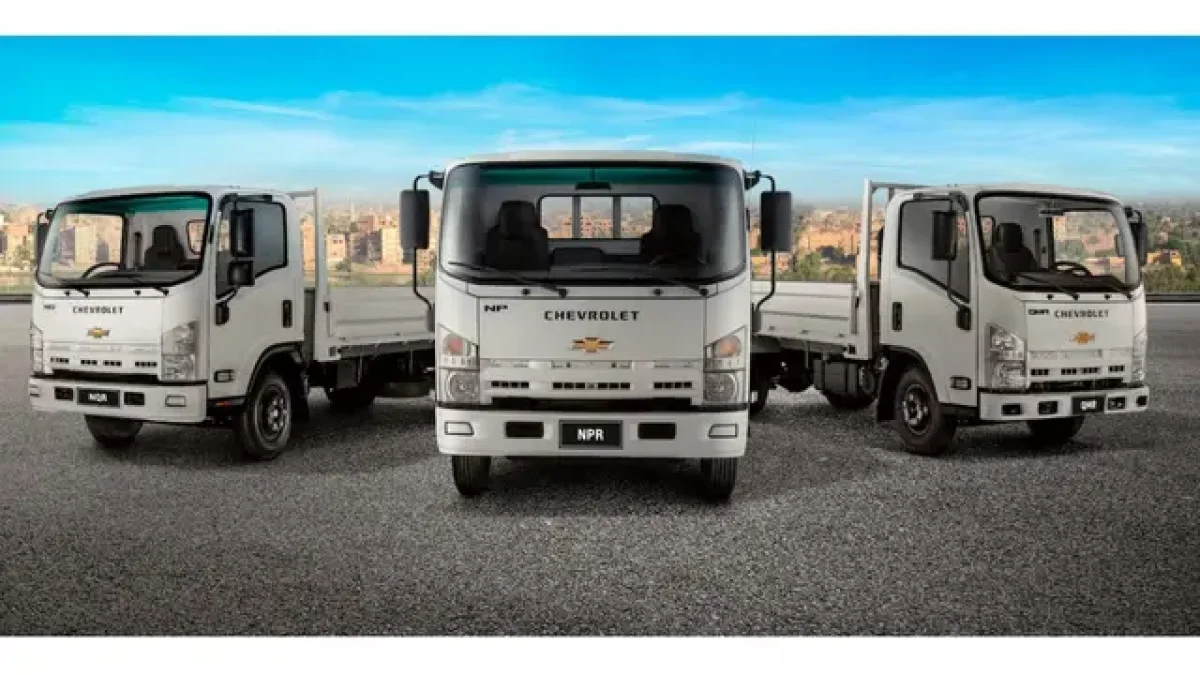
Egypt's Locally Assembled Truck Sales Surge 28% in First 4 Months of 2026
Strong Growth in Egypt's Truck Market
Egypt's truck market recorded a robust performance in the first quarter of the year, with total sales surging by 36.7% to reach 9,833 vehicles during the period from January to April 2026, compared to 7,191 units in the same period last year. This significant growth reflects a clear recovery in the freight transport and logistics sector, driven by rising demand for commercial vehicles, both locally assembled and imported.
Locally Assembled Trucks Lead the Charge
According to a report by the Automotive Market Information Council (AMIC), sales of locally assembled trucks jumped by 28% in the first four months of 2026, reaching 8,304 vehicles, up from 6,483 units during the same period last year. This increase underscores the success of Egypt's industrial localization strategy in the commercial vehicle segment, as local factories continue to ramp up production capacity to meet growing demand from transportation and contracting companies.
Imported Trucks See Massive Leap
Meanwhile, sales of imported trucks across all categories posted a massive increase of 116%, totaling 1,529 vehicles during the period, compared to just 708 units in the same timeframe last year. This sharp rise in imported truck sales reflects a trend among some companies toward importing vehicles with special specifications or brands not available locally, as well as the needs of major national projects requiring advanced transport fleets. Analysts are closely monitoring the development of truck sales in Egypt in the coming period, especially as infrastructure expansion and construction projects continue.
Related News
View All News
Beyond the Headlines: What Really Drives Engagement on Egyptian Auto Sites?
The report examines competition among auto sites in Egypt, noting that superiority depends on understanding local buyer needs for content combining price and running costs. Analyses show over 60% of…

Egypt's One-Billion-Pound Fund Revives Ailing Auto Factories
Egypt's Central Bank and Ministry of Industry have launched a one-billion-pound fund to restructure struggling factories and restore idle production capacity. The fund will take equity stakes, restructure debt, and…

Is Now the Right Time to Buy a New Car in Egypt? 6 Indicators That Decide
New car sales in Egypt rose 29.7% in the first seven months of 2026, reaching 116,869 vehicles, with passenger car sales up 25%. Overprice premiums have declined on several models…
Egyptian Car Market 2025: Challenges and Opportunities
Egypt's car market in 2025 faces up to 15% price hikes for Toyota and Nissan, an 8% drop in new car sales, and growing demand for used cars. Electric and…
China Tops Global Auto Industry: From Imitation to Technological Leadership
China's auto industry has shifted from imitation to global leadership, driven by massive investments in electric vehicles and AI. Companies like BYD adopted self-integration in production, cutting costs and boosting…