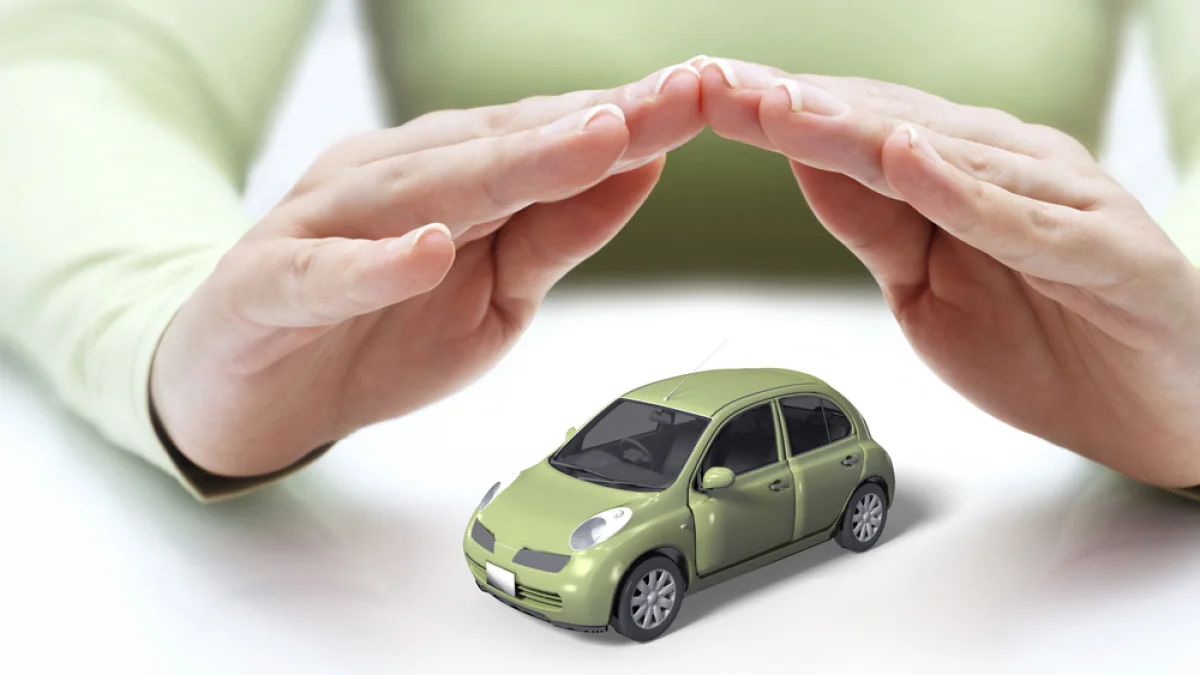
From Concern to Confidence: How Insurance Views Chinese EVs in Egypt Changed
Officials and experts revealed that Chinese electric vehicles now hold an insurance status comparable to European and Korean cars in the Egyptian market. They attributed this shift to China's progress in battery technology and drive systems. They confirmed that the availability of spare parts and service centers plays a decisive role in how insurers assess risk. They also noted that rising global energy prices are increasing demand for Chinese electric vehicles in Egypt.
Chinese electric vehicles now hold an insurance status comparable to European, Korean, Japanese, and American cars in the Egyptian market, according to Adnan Al-Nahal, head of the claims department at one of the largest insurance companies. The landscape has shifted dramatically in recent years, transforming what was once viewed with caution into a growing area of confidence among insurers tracking the rising numbers of these vehicles on Egyptian roads.
Why Did Insurance Companies Change Their Stance?
The reason isn't just about price and specifications. It extends to repair processes, spare parts availability, service centers. The level of risk when accidents occur, and these combined factors have reshaped how the insurance sector perceives Chinese electric cars in Egypt. A robust infrastructure of authorized service centers and readily available spare parts has become a decisive factor in assessing insurance risks.
Al-Nahal highlights a crucial point here. Electric vehicles demand a completely different approach, especially since the battery represents a high-value component. Repair operations differ vastly from the traditional cars that Egyptian workshops are accustomed to handling. Therefore, the availability of specialized technical expertise and well-equipped service centers has become more critical than ever, a reality that insurance companies have begun calculating with precision.
China's Progress Is No Longer a Secret
Journalist and media figure Hisham El-Zeini says China has made an enormous leap in automotive technology over the past decade, particularly in electric and hybrid vehicles, batteries, and drive systems. This breakthrough wasn't a matter of chance; it resulted from massive investments and long-term research in modern vehicle-related technology.
The strength of Chinese companies isn't limited to assembling electric cars. El-Zeini confirms these firms possess extensive expertise in battery manufacturing, advanced drive systems, and associated technologies, which has granted them an advanced position in this highly competitive global sector, making their products capable of competing with established European and Korean brands in Egypt and worldwide.
Energy Costs and Opportunities in the Egyptian Market
Rising global energy prices increase the need for electric vehicles in Egypt. This noticeably expands opportunities for Chinese companies, especially with the steady growth in the number of electric cars entering the Egyptian market day by day, driven by their competitive pricing and specifications that closely match European models.
El-Zeini adds that China's technological strength, alongside its companies' global expansion and the presence of factories in Europe, confirms the Chinese automotive industry has moved to a more competitive level. The picture doesn't stop at importing finished vehicles; it extends to broader horizons of cooperation in joint manufacturing, components, and vehicle-related services, particularly with the growth of Egyptian-Chinese collaboration, investments, and joint projects between the two countries in the coming years.
Frequently Asked Questions
3 questions answered
Related News
View All News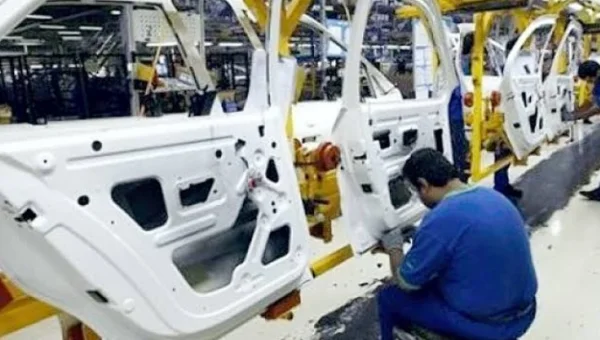
Egypt in Talks with Global Firms to Localize Automotive Stamping Dies Production
The Egyptian government is in talks with international companies specializing in automotive feeder industries to localize stamping die manufacturing inside Egypt. The move aims to attract investment and advanced technology…
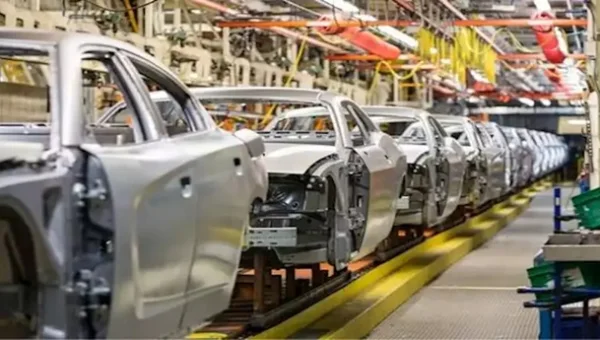
Billions in Write-Offs and Restructuring: Legacy Automakers Face Their Toughest Test in Decades
The traditional auto industry is facing its toughest test in decades as global automakers recorded around $55 billion in write-offs tied to EV plans. Stellantis alone absorbed 22.2 billion euros…
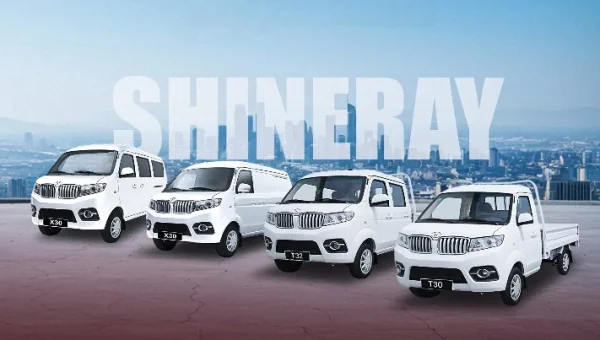
Shineray Captures 57% of Van Sales in Egypt in First 7 Months
Shineray captured 57% of Egypt's minivan sales in the first seven months of 2026, selling 682 units. Suzuki came second with a 43% share and 505 vehicles. The data comes…
Toyota HiAce Dominates Egypt Tourist Microbus Sales with 85% Share in 7 Months
Toyota HiAce dominated Egypt's tourist microbus market with an 85% share in the first seven months of 2026, selling 885 units according to AMIC. Foton CS2 came second at 11%…
King Long Dominates Egypt Bus Sales in First 7 Months of 2026
King Long dominated Egypt's bus market in the first seven months of 2026 with a 30.9% share and 3,228 vehicles sold. Toyota came second at 18.5% with 1,938 units, followed…