China Tops Global Auto Industry: From Imitation to Technological Leadership
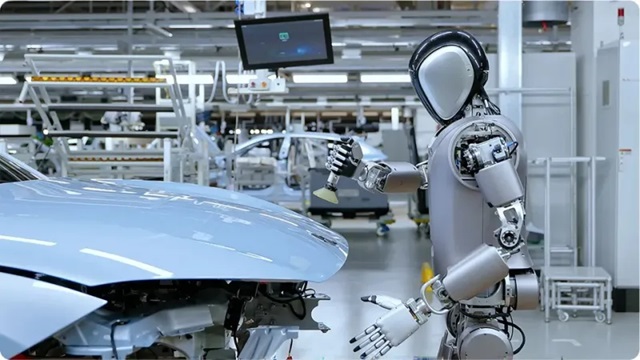
China's auto industry has shifted from imitation to global leadership, driven by massive investments in electric vehicles and AI. Companies like BYD adopted self-integration in production, cutting costs and boosting competitiveness. China is now the world's largest car exporter, surpassing Japan and Germany, with a focus on smart cars as 'phones on four wheels'.
China is no longer chasing the West in the auto industry. BYD and other Chinese automakers have moved into the lead, driven by massive investments in electric vehicles, artificial intelligence, and integrated manufacturing. The result? China is now the world's largest car exporter, surpassing Japan and Germany.
The Shift from Imitation to Real Competition
According to a report published by Asharq Bloomberg, China's auto industry has transformed from merely imitating Western companies into a real contender for leadership. This leap is built on strong investments in EVs and integrated battery supply chains, giving Chinese firms a solid industrial base. The shift didn't happen overnight—it followed years of government planning and heavy R&D spending.
Smart Cars: A Phone on Four Wheels
Chinese cars are no longer just transport. They've become more like "a smartphone on four wheels," with advanced AI systems and massive interactive entertainment screens. This digital layer adds a new dimension to the rivalry with Western cars, where the race is no longer just about engines or design—it's about software and connectivity. Companies like BYD are investing heavily here to boost their global presence.
Self-Integration and Cost Cutting
The report revealed that companies like BYD have shifted toward a model based on self-integration in production, rather than relying entirely on traditional supplier networks. This approach has drastically cut manufacturing costs, leading to more competitive pricing abroad. For example, the BYD F3 achieved wide market penetration thanks to this strategy. But can Western rivals match this cost efficiency?
China Tops Global Exporters List
The transformation didn't stop at production and technology—it reshaped global trade. China has topped the list of the world's largest car exporters, overtaking Japan and Germany. This milestone reflects the massive shift in China's auto industry over recent years. For Egyptian consumers, this competition could mean more affordable electric and hybrid options in the coming years, especially as models like the BYD Seagull enter new markets.
Frequently Asked Questions
3 questions answered
Related News
View All News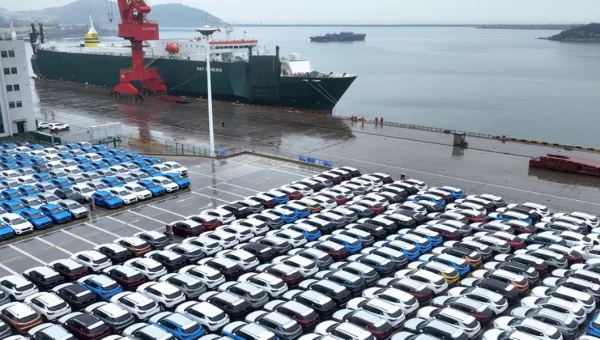
2027: The Year of Decision — Chinese Brands Capture 45% of Egypt's Car Market as Competition Shifts to After-Sales
Egypt's automotive market is heading into 2027 with competition extending beyond prices and specs to geographic reach, showrooms, and after-sales networks. Chinese brands have captured around 45% market share, putting…
Egyptian Auto Market Grows 22%: 116,000 New Passenger Cars Sold in 9 Months
New passenger car sales in Egypt reached 116,125 units from January to September 2026, a 22% increase year-on-year. The Nissan Sunny topped the registration charts with 13,563 cars, followed by…
Private Cars Capture 60% of Egyptian Market Sales in January 2026
Private cars dominated 60% of total sales in the Egyptian market during January 2026, according to the Automobile Market Information Council. Toyota, Hyundai, and Nissan are leading demand in this…

From Small Workshop to Automotive Empire: Can Egypt Produce a New Honda from Its Youth?
Soichiro Honda began his life as a simple mechanic without a university degree, opened his own workshop in 1928, then founded a piston ring company in 1937 whose products reached…
Egypt's Electric and Hybrid Car Sales Exceed 4,000 Units in October
Electric and hybrid vehicle sales in Egypt reached 4,017 units in October, according to the Egyptian Compulsory Motor Insurance Federation. Geely topped pure electric sales with 488 cars, while BYD…