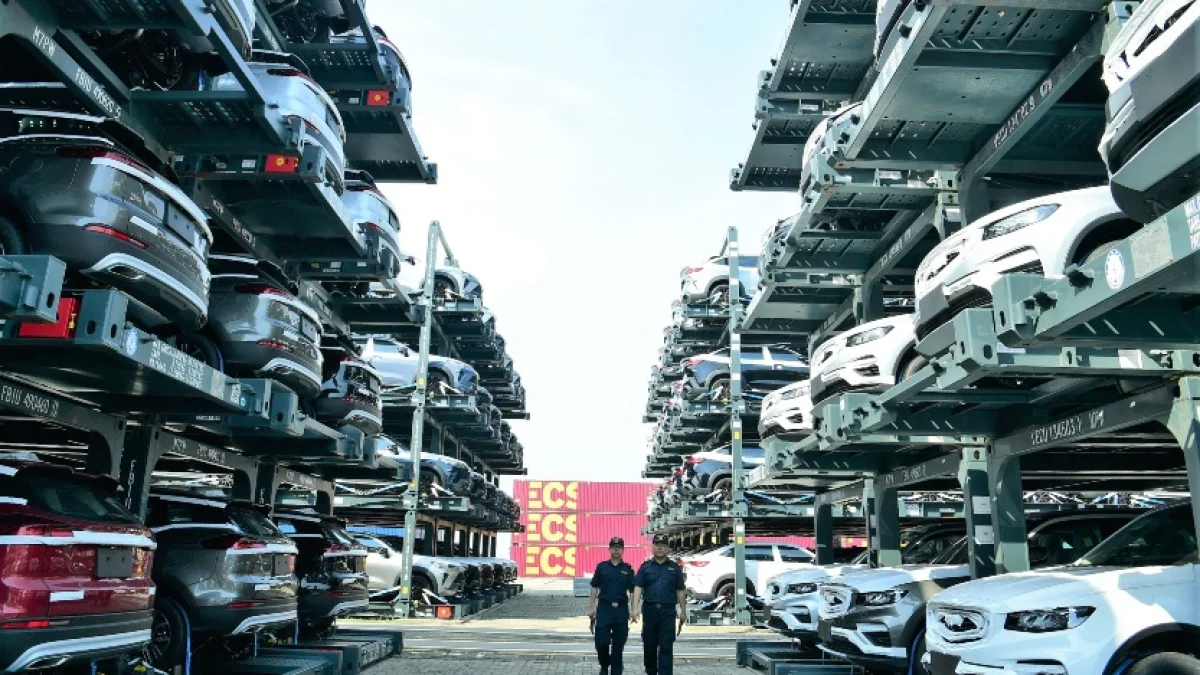
70% of Egypt-Assembled Car Components Are Imported — Shipping Delays Production Cycle
Mohamed Salem, a member of the Transport Division at the Egyptian Federation of Industries, revealed that about 70% of components in locally assembled cars are imported, while the local share including costs reaches 45%. He noted that components from China and East Asia face long shipping periods that affect production. Global events are adding pressure on supply chains, potentially disrupting assembly schedules and vehicle availability in the Egyptian market.
70% of the components used in cars assembled in Egypt come from abroad. The figure comes from Mohamed Salem, a member of the Transport Division at the Egyptian Federation of Industries, who also noted that the local component share — including costs — currently sits at around 45%. That number puts the country's assembly industry under real pressure.
Why does shipping take so long?
Imported components arriving from China and East Asia are now taking extended shipping periods. That could disrupt production at local assembly plants. The issue isn't just delayed spare parts — it's a stretched-out production cycle from the moment an order is placed until a car rolls off the line. Manufacturers running supply chains across multiple continents are being forced to recalculate every step. The timeline keeps shifting.
Does this mean factories will grind to a halt? Not necessarily. But it does mean added strain on delivery schedules. Rising freight costs and repeated port delays compound the problem, especially with heavy reliance on certain components that aren't produced locally yet. The industry needs more time than expected to adjust.
Global events and supply chains: a direct hit
Global events are affecting automotive supply chains, whether for raw materials, fully built vehicles, or individual components. The fallout reaches car markets worldwide. Any shift in supply movement can impact component availability and the timing of local assembly. What happens at a distant port can stall a production line in an Egyptian industrial zone weeks later. This interconnection isn't new, but it has become far more visible in recent years.
Vehicle assembly plants in Egypt aren't insulated from these fluctuations. Decisions on sourcing components are shaped by fluctuating shipping rates, container availability, and delivery windows. A breakdown in one link travels quickly through the rest of the chain.
What does this mean for buyers in the Egyptian market?
Heavy reliance on imported components means any shipping disruption feeds directly into delivery times for new cars in Egypt. Production delays can translate into tighter supply, which in turn affects pricing. A buyer waiting for a specific model may face longer waits or start looking at alternatives. A longer production cycle doesn't stay inside the factory — it reaches the showroom eventually.
The 45% local component share — costs included — shows the road toward deeper manufacturing is still long. Raising that percentage requires investment in feeder industries capable of supplying quality components locally at competitive prices. Until then, Egypt's assembly sector remains tied to ship schedules and the rhythms of global ports.
Frequently Asked Questions
3 questions answered
Related News
View All News
Fuel Guzzlers: 10 Used Cars in Egypt You Should Think Twice Before Buying
As Egypt's automatic fuel pricing committee prepares to meet in October to review petrol and diesel rates, used-car buyers are paying closer attention to fuel efficiency. Ten used models circulating…
From Imports to Used Cars: How Regional Tensions Are Squeezing Egypt's Auto Prices
Egypt's automotive market faces fresh pressure from ongoing regional tensions and rising shipping, insurance, and energy costs. Imported vehicles bear the brunt through higher landed costs, while locally assembled cars…
Egypt's Vehicle Exports Surpass $103 Million in H1 2026
Egypt's vehicle exports reached $103.6 million in the first half of 2026, per data from the Central Agency for Public Mobilization and Statistics. European markets topped the destination list, with…
Kia Tops Egypt's 2025 Car Sales Charts Amid Fierce Competition from Hyundai and Chery
Kia has topped Egypt's 2025 car sales rankings, outperforming Hyundai thanks to its Cerato and Sportage models. Competition is heating up with Chinese brand Chery making gains in the SUV…
After Talk of Fuel Price Hikes: The Most Fuel-Efficient Used Cars in Egypt
Egypt is bracing for potential fuel price hikes of up to 10% ahead of the October pricing committee meeting. Consumers are increasingly turning to fuel-efficient used cars, with the Suzuki…