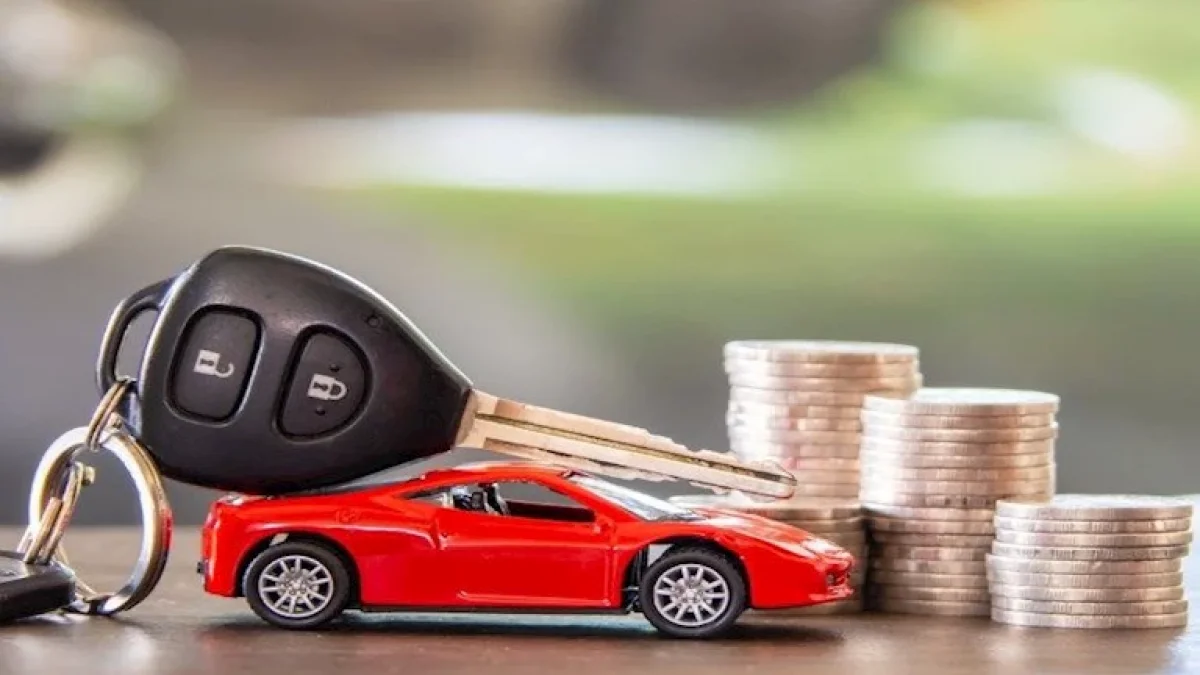
Why a Consumer Expert Recommends Buying Cars in Installments Even If You Have the Cash
Majed Mostafa, an exhibition and marketing expert, says buying cars in installments can be better than paying cash even for those who have the full amount. He notes that 70% of car sales are done through installments versus 30% cash. He advises keeping the money in the bank to earn returns while financing the car. The final decision depends on each buyer's circumstances and the cost of financing.
New cars can be bought in installments even if the buyer has the full amount in cash. That's according to Majed Mostafa, an exhibition and marketing expert, who points out that around 70% of vehicle sales at dealers and distributors are done through installment plans, versus only 30% in cash. That gap reveals a clear shift in Egyptian consumer behavior.
Why Egyptians Prefer Installments Despite Having the Liquidity
Keeping cash on hand gives buyers more flexibility. Mostafa explains that paying the full price of a car in cash can drain a significant portion of the buyer's funds, while installments allow the cost to be spread over several years with the possibility of investing the remaining amount. He adds that car prices today are much better than expected in the future, making a purchase now—whether cash or financed—a more sensible decision.
But what should someone with the full amount do?
Investing in the Bank While Paying Installments
The exhibition expert advises those who have the car's value in cash to consider keeping the money in the bank and benefiting from the return, while obtaining financing to buy the car. He explains that this method allows the purchase cost to be spread over a period of up to five or six years, depending on the financing system used, with the potential to earn a return on the retained liquidity that covers part of the installments. This way, the buyer doesn't lose all their money at once but maintains long-term financial capability.
Installments Give Consumers More Breathing Room
Buying in installments gives a wide segment of consumers the opportunity to own a new car without heavy financial pressure. Mostafa notes that spreading the cost over monthly payments reduces the burden compared to paying the full amount at once, opening the door for groups that couldn't afford cash purchases. But the final decision remains tied to each buyer's circumstances, the cost of financing, the expected return from keeping the liquidity. The repayment period and monthly installment amount.
The key question remains: is it better to pay the full amount or install it and benefit from the return? The answer varies from case to case, but the numbers say 7 out of 10 buyers choose installments—a strong indication that cash liquidity has become a priority even in the car market.
Frequently Asked Questions
3 questions answered
Related News
View All News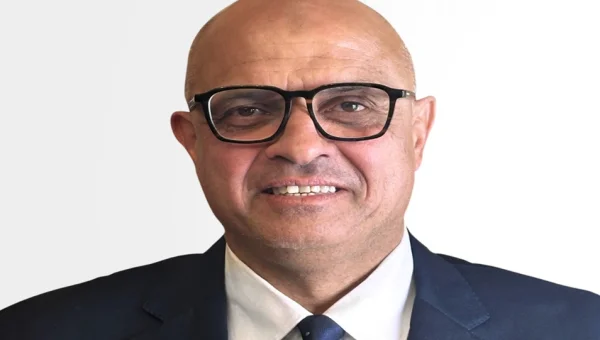
Magdy Mostafa: Car Prices Are Better Now — 70% of Sales Are Installment-Based
Magdy Mostafa, an expert in car showrooms and marketing, says current car prices are better than tomorrow's, noting that 70% of dealer and distributor sales are installments versus 30% cash.…
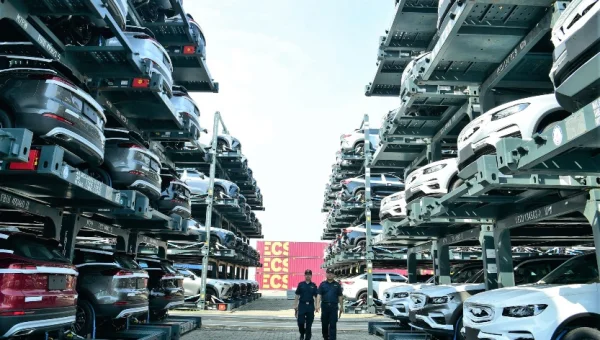
70% of Egypt-Assembled Car Components Are Imported — Shipping Delays Production Cycle
Mohamed Salem, a member of the Transport Division at the Egyptian Federation of Industries, revealed that about 70% of components in locally assembled cars are imported, while the local share…
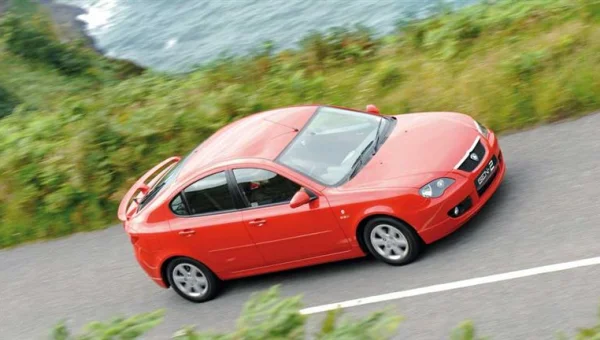
Fuel Guzzlers: 10 Used Cars in Egypt You Should Think Twice Before Buying
As Egypt's automatic fuel pricing committee prepares to meet in October to review petrol and diesel rates, used-car buyers are paying closer attention to fuel efficiency. Ten used models circulating…
From Imports to Used Cars: How Regional Tensions Are Squeezing Egypt's Auto Prices
Egypt's automotive market faces fresh pressure from ongoing regional tensions and rising shipping, insurance, and energy costs. Imported vehicles bear the brunt through higher landed costs, while locally assembled cars…
Egypt's Vehicle Exports Surpass $103 Million in H1 2026
Egypt's vehicle exports reached $103.6 million in the first half of 2026, per data from the Central Agency for Public Mobilization and Statistics. European markets topped the destination list, with…