


Car Prices Ease as Competition Intensifies: Is Now the Right Time to Buy?
The automotive market is currently experiencing a noticeable shift, with car prices showing a gradual decline and moving closer to levels seen before the recent wave of increases. This development comes amid a significant rise in vehicle supply, driven by the continuous introduction of new models from various brands, particularly Chinese manufacturers, reshaping the competitive landscape across the industry.
Price Decline and Expanding Market Supply
According to Eng. Raafat Masrouga, former honorary president of the Automobile Market Information Council, car prices have started to ease due to the increasing availability of vehicles in the local market. He explained that this expansion in supply has helped create a more balanced relationship between supply and demand, which has positively impacted consumers by offering a wider range of options at more varied price points.
He added that the entry of numerous new models, especially from Chinese brands, has significantly intensified competition among automakers. This has forced many companies to reconsider their pricing strategies in order to remain competitive and maintain their market share in a rapidly evolving environment.
Global Competition Among Automotive Brands
Masrouga noted that European, Korean, and Japanese manufacturers are increasingly feeling the pressure of rising Chinese competition, which has introduced vehicles with diverse specifications and highly competitive pricing. This shift is pushing global automakers to reassess their pricing policies and adopt more flexible strategies to preserve their appeal among consumers.
He also pointed out that many established brands previously relied heavily on their strong reputations and consumer trust. However, current market dynamics are challenging this approach, as buyers are becoming more price-sensitive and more focused on value, forcing manufacturers to offer more competitive deals and pricing structures.
Is It the Right Time to Buy a Car? Dollar Impact Explained
Regarding purchasing decisions, Masrouga believes that the current period may be favorable for those looking to buy a car, given the expanding range of available options and the heightened competition among manufacturers. This environment allows consumers to compare models more effectively and choose vehicles that best suit their financial and practical needs.
On the topic of the US dollar’s impact, he emphasized that short-term daily fluctuations do not fully reflect the broader market picture. The currency has experienced multiple waves of rise and decline in recent periods. He added that overall indicators suggest a gradual improvement in the economic outlook, which could contribute to stabilizing exchange rates and, in turn, support greater stability in the automotive market.
Related News
View All News
Passenger Cars Drive Egyptian Market Growth in 2026.. Nissan Leads
Passenger car sales in Egypt rose 22% in the first eight months of 2026 to 101,492 units. Nissan led the market with 16,616 vehicles, followed by MG and Chery. Changan…

Local Assembly Drives Truck Sales in Egypt Up 22.7% in 8 Months
Truck sales in Egypt rose 22.7% in the first eight months of 2026 to 21,852 units. Locally assembled trucks grew 16.1% to 18,719 vehicles, while imported trucks surged 85.4% to…
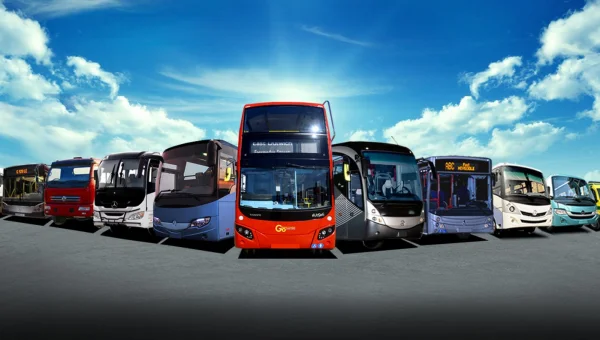
King Long Leads Egypt Bus Sales with 29.6% Share in First 8 Months
King Long led Egypt's bus market with a 29.6% share and 3,581 vehicles in the first eight months of 2026. Toyota came second at 18.6% with 2,251 units, followed by…
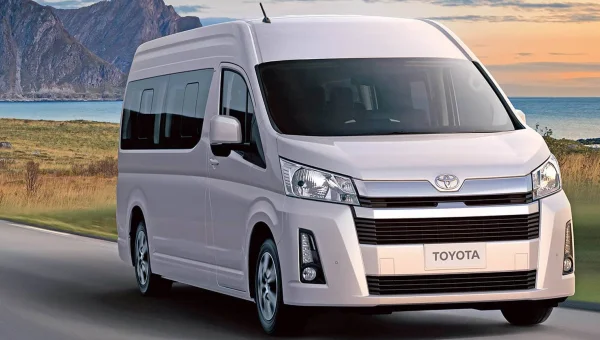
Toyota HiAce Dominates Egypt's Tourist Minibus Sales with 85% Share in 8 Months
Toyota HiAce commanded 85% of Egypt's tourist minibus segment in the first eight months of 2026, selling 1,022 units. Foton CS2 placed second with 134 vehicles and an 11% share,…

Local Assembly Drives Bus Sales in Egypt Up 78.5% Over 8 Months
Bus sales in Egypt reached 12,101 units in the first eight months of the year, up 78.5% from 6,781 vehicles last year. Locally assembled buses drove the growth, rising 73.5%…

