

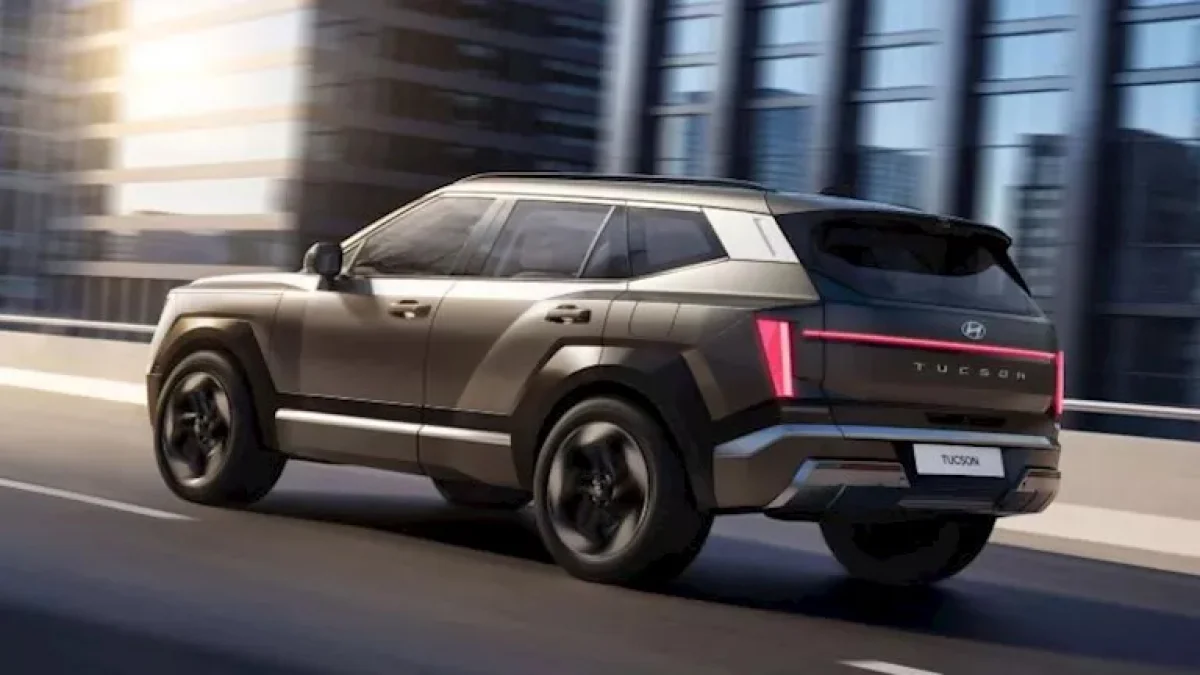
Hyundai Tucson 2026: Fifth Generation Breaks Cover with Bold Redesign After 6-Year Hiatus
Hyundai Motor has revealed the all-new fifth-generation Tucson, its first complete redesign of the compact SUV in six years, featuring a bold exterior with vertical H-shaped daytime running lights and a larger body for enhanced interior space. The launch is shadowed by escalating labor union strikes, causing cumulative production losses exceeding 62,000 vehicles through August 25, with estimated sales losses of 2.6 trillion South Korean won ($1.85 billion). The company's global sales fell 5.1% year-over-year to 318,454 units last month, marking the tenth straight month of annual decline as it struggles to balance new model momentum with production disruptions.
Hyundai Motor has finally taken the wraps off the all-new fifth-generation Tucson, marking the first complete redesign of the compact SUV in nearly six years. The bold new look is a radical departure from its predecessor, signaling Hyundai's aggressive push to dominate the fiercely competitive compact crossover segment.
A Design Language That Commands Attention
The new Tucson features vertical daytime running lights that form a distinctive H-shaped signature, seamlessly connected by a slim horizontal central lamp bar. It's a front-end treatment that instantly sets the SUV apart from rivals. The body itself has grown larger, with the primary goal being increased interior space for passengers and cargo.
This isn't just about aesthetics. The longer wheelbase translates into a more spacious cabin, improved seating comfort. Upgraded materials throughout the dashboard. The fifth-gen model is clearly engineered to elevate the ownership experience, but the visual drama is what will turn heads in the showroom.
Production Woes and Declining Sales Cloud the Launch
The launch arrives at a turbulent time for the Korean automaker. Industry sources confirm that Hyundai is bracing for cumulative production losses exceeding 62,000 vehicles through August 25, as its labor union escalates a strike amid stalled wage negotiations. The financial toll is steep: estimated sales losses of 2.6 trillion South Korean won, or roughly 1.85 billion USD.
Global sales already tell a worrying story. Hyundai's worldwide deliveries dipped 5.1% year-over-year to 318,454 units last month, marking the tenth consecutive month of annual decline. The timing couldn't be worse — just as the company needs maximum output to capitalize on the new Tucson's momentum, its own workforce is halting production lines.
The conundrum is clear. Hyundai needs to ramp up production of its flagship compact SUV to recover lost market share in North America and Europe, yet the ongoing strike threatens to deepen the crisis. The next few weeks will be critical for the brand as it navigates one of its most challenging periods in recent memory.
Frequently Asked Questions
3 questions answered
Related News
View All News
Yttrium Crisis Hits Global Supply Chains, Threatens Auto and Aviation Industries as Japan and US Face Rare Earth Test
The yttrium crisis is escalating after China's rare earth export restrictions, threatening Japan's stockpiles within months. Yttrium oxide prices have reached $1,150 per kilogram outside China versus just $9 inside…
BYD Ignites German Price War with 32% Discount, Challenging Volkswagen and Mercedes
BYD offered discounts of 27.5% and 31.8% on its plug-in hybrid models in Germany during August. The company captured 10.7% of the market in July, taking fourth place. Discounts exceeded…
Mercedes, BMW, Volkswagen, and Porsche Sales Collapse 40% in China
German automotive giants saw sales in China plunge between 30% and 40% during parts of this year, outpacing the overall market's 20% contraction. The development cycle gap — 18 months…
China Car Sales Set to Drop to 18.5 Million Units in 2026
Passenger car sales in China are projected to drop to 18.5 million units in 2026, down from 23.7 million in 2025. Forecasts point to a limited 2% recovery in 2027…
Hyundai Hydrogen Sales Surpass 50,000 Units in Korea
Hyundai Motor's cumulative hydrogen fuel cell vehicle sales in South Korea have exceeded 50,262 units as of the end of September. The Nexo SUV, launched in 2018, accounts for the…

