

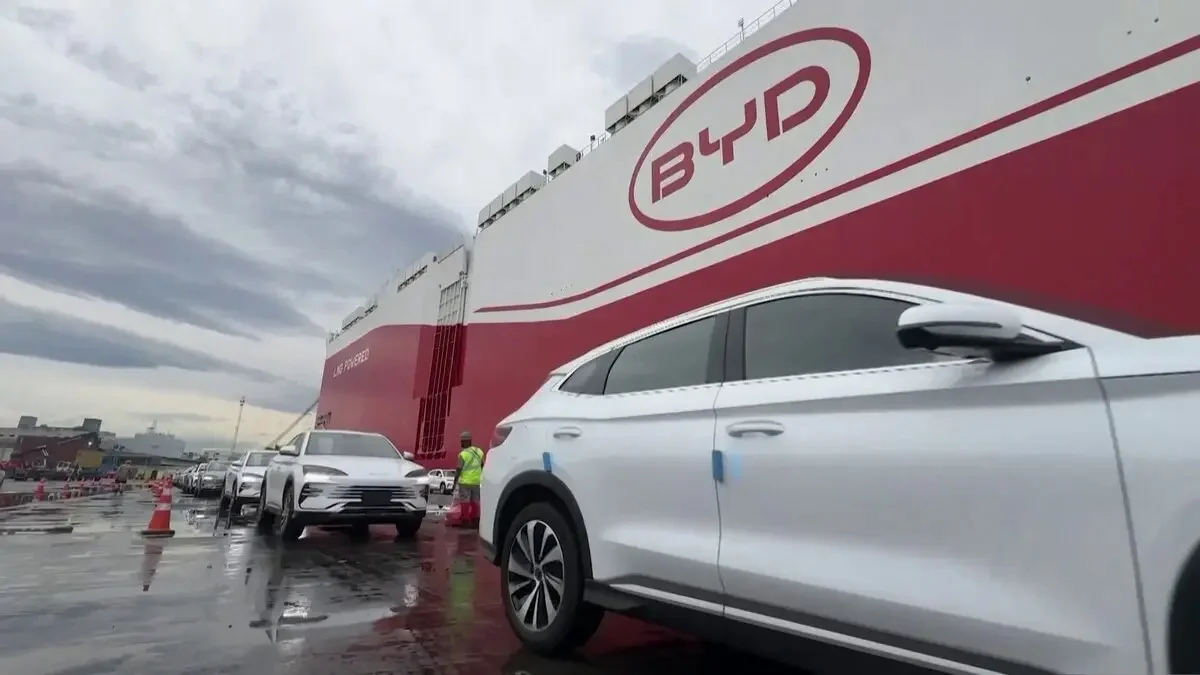
BYD Ignites German Price War with 32% Discount, Challenging Volkswagen and Mercedes
BYD offered discounts of 27.5% and 31.8% on its plug-in hybrid models in Germany during August. The company captured 10.7% of the market in July, taking fourth place. Discounts exceeded the segment average of 20%, putting Volkswagen, Mercedes, and BMW under unprecedented competitive pressure.
A 32% discount — that's the number BYD used to ignite an open price war in Germany. The Chinese automaker captured 10.7% of the plug-in hybrid market in July, taking fourth place after briefly leading registrations in May. The numbers speak for themselves.
BYD Outpaces German Industry Giants
In August, BYD offered discounts of 27.5% and 31.8% on its two models listed among Germany's 15 best-selling plug-in hybrids. Those figures exceeded the segment's average discount of 20%. Back in March, the average was just 18.2%. The gap is real.
German automotive expert Ferdinand Dudenhöffer believes the company is intensifying price competition by combining vehicle price cuts with substantial buyer discounts. This strategy puts Volkswagen, BMW, and Mercedes under fierce pressure in their home market.
How Did BYD Reach Fourth Place?
The rise wasn't sudden. BYD briefly topped registrations in May, then settled into fourth place in July with its 10.7% market share. This movement reflects the company's ability to compete directly with BMW and Mercedes in the plug-in hybrid segment.
The pricing pressure from BYD prices threatens Volkswagen's market share in Germany. The German giant faces a competitor with high pricing flexibility that isn't afraid to use it. The battle is no longer about brand alone — it's about price.
What Does This Mean for German Buyers?
Buyers in Germany now face significantly cheaper options. Discounts exceeding 30% on plug-in hybrids mean a substantial price gap compared to traditional German models. Audi was also among the brands BYD overtook in May. Competition is heating up on all fronts.
Will this strategy hold? Dudenhöffer points to the combination of price cuts and large discounts as the key pressure driver. Mercedes prices and BMW prices will be under scrutiny in the coming months. The German market has never seen pressure of this magnitude.
Frequently Asked Questions
2 questions answered
Related News
View All News
Yttrium Crisis Hits Global Supply Chains, Threatens Auto and Aviation Industries as Japan and US Face Rare Earth Test
The yttrium crisis is escalating after China's rare earth export restrictions, threatening Japan's stockpiles within months. Yttrium oxide prices have reached $1,150 per kilogram outside China versus just $9 inside…
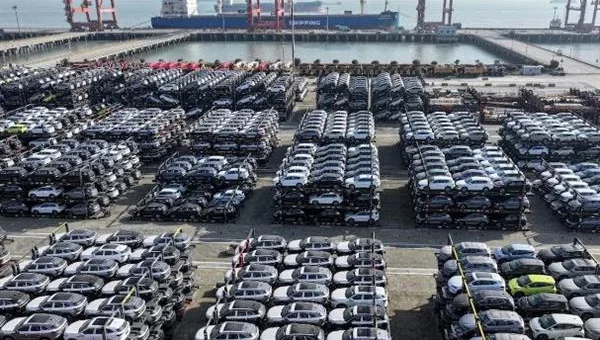
Mercedes, BMW, Volkswagen, and Porsche Sales Collapse 40% in China
German automotive giants saw sales in China plunge between 30% and 40% during parts of this year, outpacing the overall market's 20% contraction. The development cycle gap — 18 months…

China Car Sales Set to Drop to 18.5 Million Units in 2026
Passenger car sales in China are projected to drop to 18.5 million units in 2026, down from 23.7 million in 2025. Forecasts point to a limited 2% recovery in 2027…
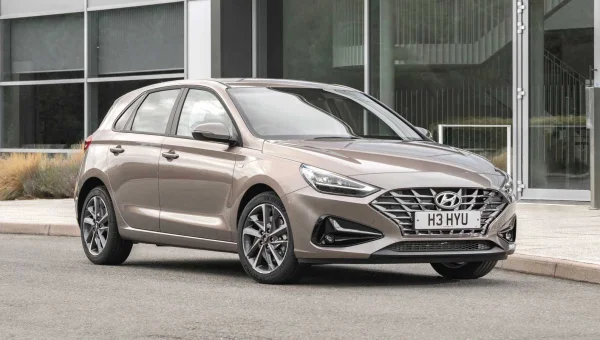
Hyundai Hydrogen Sales Surpass 50,000 Units in Korea
Hyundai Motor's cumulative hydrogen fuel cell vehicle sales in South Korea have exceeded 50,262 units as of the end of September. The Nexo SUV, launched in 2018, accounts for the…
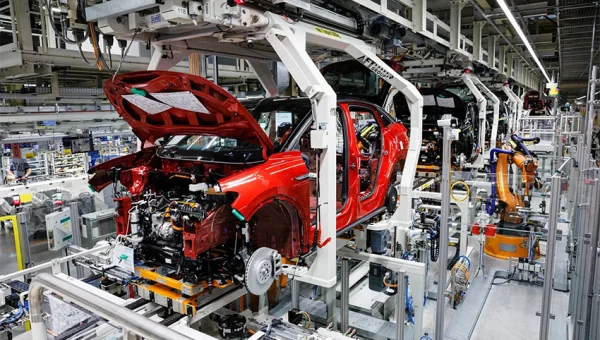
German Auto Industry Staggers: Plant Closures and Layoffs as Chinese Competition Bites
Germany's automotive industry is under mounting pressure with plant closures and thousands of layoffs driven by high energy costs and fierce Chinese competition. The Russia-Ukraine war and reduced gas supplies…

