

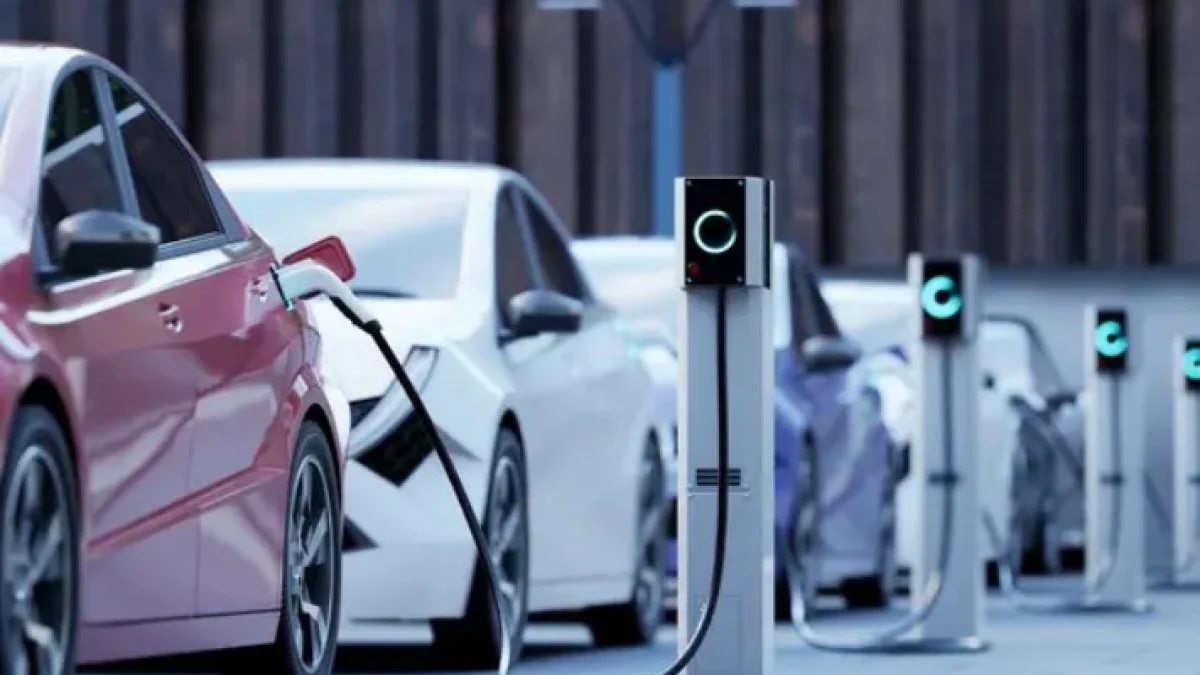
Chinese Hybrid Vehicle Exports to EU Surge to $7.5 Billion
Chinese hybrid vehicle exports to the EU surged to $7.5 billion in the first half of 2026, up from $2.5 billion a year earlier. BYD, Chery, and SAIC account for over 90% of these sales. A pending Beijing-Brussels agreement could cut imports by several million units over four years. Implementation details remain undisclosed.
Chinese hybrid vehicle exports to the European Union jumped to $7.5 billion in the first half of 2026, up from $2.5 billion a year earlier. That figure tells a bigger story. BYD, Chery, and SAIC are driving this momentum, even as a Beijing-Brussels deal to regulate imports threatens to slow the surge.
Why hybrids became the loophole
The EU's extra tariffs on Chinese-made electric vehicles in 2024 didn't apply to plug-in hybrids. That gap sent Chinese automakers scrambling toward this category. Weak charging infrastructure in several European markets also boosted demand, since hybrids offer longer range and more flexibility. More than 90% of Chinese hybrid sales in Europe came from BYD, Chery. SAIC, according to Jefferies estimates. That's dominance, not participation.
Brussels and Beijing edge toward a deal
EU Trade Commissioner Maroš Šefčovič said the agreement would cut vehicle imports by several million units over four years. Neither side has revealed implementation details. The uncertainty leaves Chinese manufacturers in a cautious waiting game, especially since hybrid exports are now nearly nine times their entire 2021 value of $845 million.
Slowing home market fuels the export push
Slowing sales growth in China's domestic market is pushing automakers to look abroad. Europe was the most attractive destination. Hybrids account for more than half of the three major companies' sales on the continent. But potential restrictions could change the rules.
The equation isn't simple. Hybrids offer a smart way around EU tariffs. Yet the new agreement could cap that momentum. European automakers are watching closely, especially as Chinese plug-in hybrids have become direct competitors in mid-range segments. Chery prices and BYD prices in Europe stayed competitive, which explains the demand. China poured massive investment into plug-in hybrid technology. The results showed in the numbers. But can the climb continue?
The answer depends on the deal's fine print. So far, no clear figures on quotas or timelines have emerged. Chinese manufacturers are exploring alternatives, including boosting local production in Europe or pivoting to other markets. In the short term, hybrid exports will remain a tough variable in the China-EU trade equation.
Frequently Asked Questions
3 questions answered
Related News
View All News
Yttrium Crisis Hits Global Supply Chains, Threatens Auto and Aviation Industries as Japan and US Face Rare Earth Test
The yttrium crisis is escalating after China's rare earth export restrictions, threatening Japan's stockpiles within months. Yttrium oxide prices have reached $1,150 per kilogram outside China versus just $9 inside…
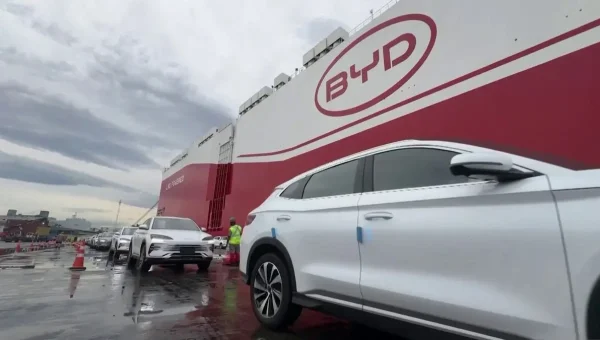
BYD Ignites German Price War with 32% Discount, Challenging Volkswagen and Mercedes
BYD offered discounts of 27.5% and 31.8% on its plug-in hybrid models in Germany during August. The company captured 10.7% of the market in July, taking fourth place. Discounts exceeded…
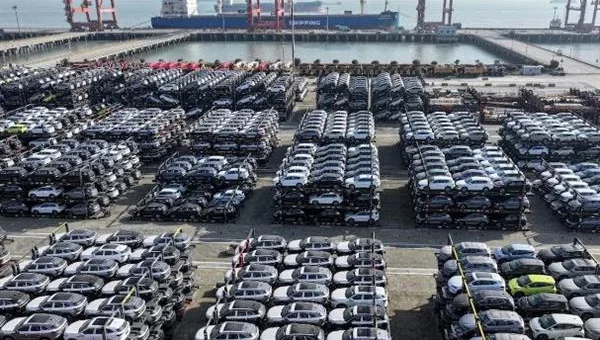
Mercedes, BMW, Volkswagen, and Porsche Sales Collapse 40% in China
German automotive giants saw sales in China plunge between 30% and 40% during parts of this year, outpacing the overall market's 20% contraction. The development cycle gap — 18 months…
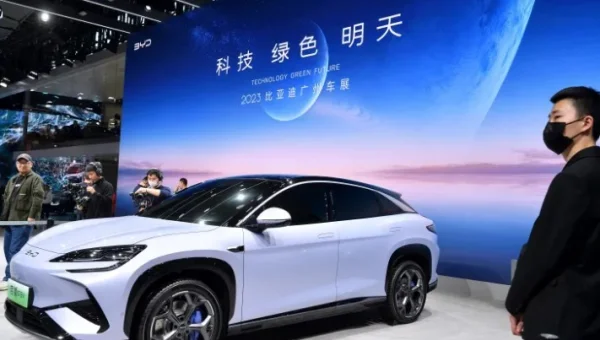
China Car Sales Set to Drop to 18.5 Million Units in 2026
Passenger car sales in China are projected to drop to 18.5 million units in 2026, down from 23.7 million in 2025. Forecasts point to a limited 2% recovery in 2027…
Hyundai Hydrogen Sales Surpass 50,000 Units in Korea
Hyundai Motor's cumulative hydrogen fuel cell vehicle sales in South Korea have exceeded 50,262 units as of the end of September. The Nexo SUV, launched in 2018, accounts for the…

