

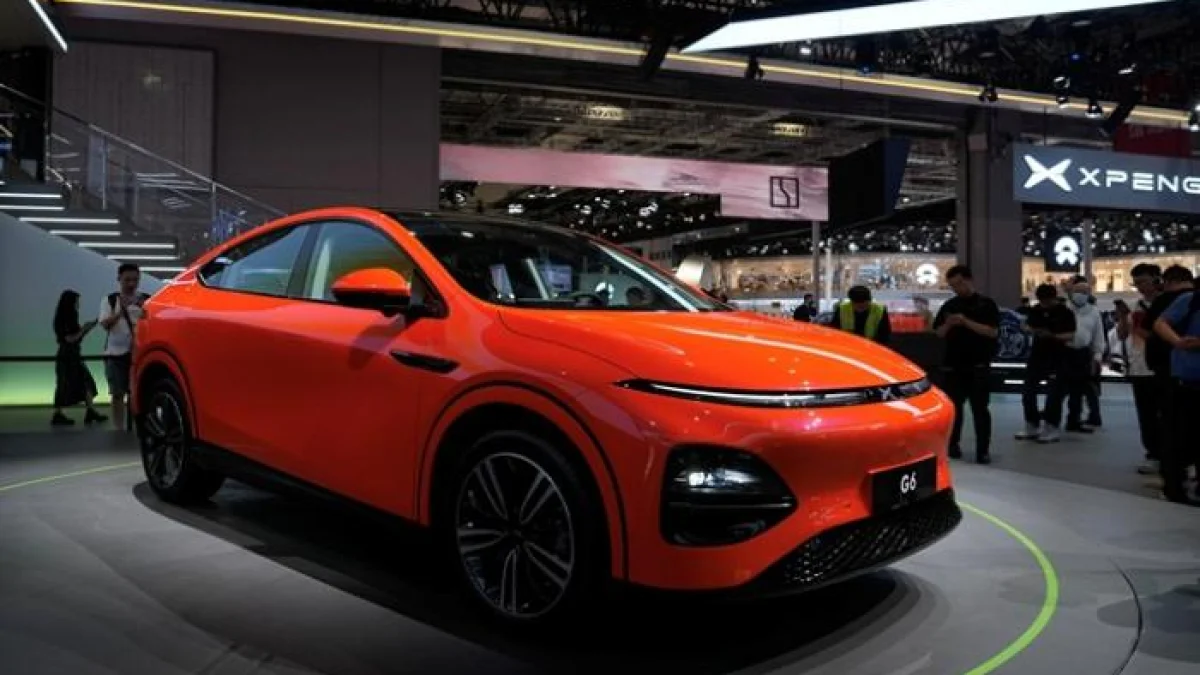
China's New Energy Vehicles Take 60% of Monthly Sales
The numbers speak for themselves. New energy vehicles continued their relentless march in China's market during July, capturing more than 60% of all new car sales. The cumulative share for the first seven months of the year has now crossed the halfway mark.
Official Data Reveals Growth Scale
China's Association of Automobile Manufacturers reported that new energy vehicle production hit 1.57 million units in July alone, while sales reached 1.56 million. These figures represent year-on-year growth of 26.8% in output and 23.7% in sales — rates that far outpace what conventional vehicles are achieving.
Battery-electric cars posted a standout performance in the same month. Their combined production and sales exceeded one million vehicles for the first time, marking a 30% annual increase. This milestone confirms that the shift to electric mobility is no longer a futuristic concept, but a present-day reality in the world's largest auto market.
Chinese Auto Exports Leap Forward
Exports were the most striking part of the monthly report. China shipped over 1.04 million vehicles in July, up 81.3% year-on-year. New energy vehicles accounted for 553,000 of those exports, a stunning annual jump of nearly 150%, representing about half of total exports for the second consecutive month.
Over the first seven months of the year, China's total vehicle exports reached 6.14 million units, a 66.8% increase. Of that total, 2.91 million were new energy vehicles, growing by nearly 120% annually. These numbers are redrawing the map of the global automotive industry.
Total vehicle output in China during July reached 2.57 million units, a slight dip from the same month last year. Sales also declined marginally to 2.58 million vehicles. Chen Shihua, deputy secretary-general of the association, attributed the dip to seasonal factors, noting that July typically sees slower sales after the strong first half, compounded by high temperatures, typhoons. Floods in certain regions.
Oil Prices Shift the Equation
The report also highlighted that persistently high oil prices since the start of the year have raised the cost of running conventional fuel-powered vehicles. This situation has boosted the appeal of new energy vehicles — whether fully electric or hybrid — making them a more economically sensible option for Chinese consumers.
Related News
View All News
Yttrium Crisis Hits Global Supply Chains, Threatens Auto and Aviation Industries as Japan and US Face Rare Earth Test
The yttrium crisis is escalating after China's rare earth export restrictions, threatening Japan's stockpiles within months. Yttrium oxide prices have reached $1,150 per kilogram outside China versus just $9 inside…
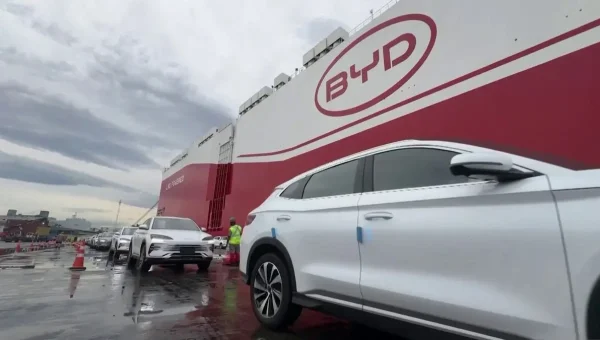
BYD Ignites German Price War with 32% Discount, Challenging Volkswagen and Mercedes
BYD offered discounts of 27.5% and 31.8% on its plug-in hybrid models in Germany during August. The company captured 10.7% of the market in July, taking fourth place. Discounts exceeded…
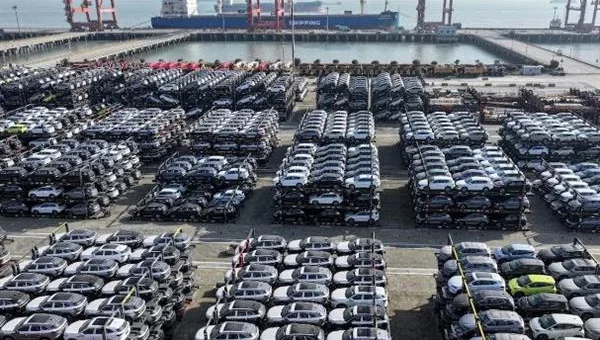
Mercedes, BMW, Volkswagen, and Porsche Sales Collapse 40% in China
German automotive giants saw sales in China plunge between 30% and 40% during parts of this year, outpacing the overall market's 20% contraction. The development cycle gap — 18 months…
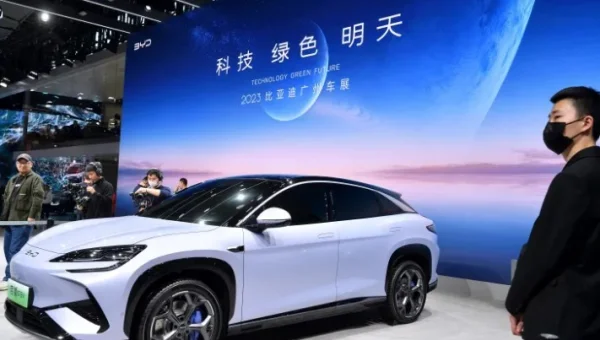
China Car Sales Set to Drop to 18.5 Million Units in 2026
Passenger car sales in China are projected to drop to 18.5 million units in 2026, down from 23.7 million in 2025. Forecasts point to a limited 2% recovery in 2027…
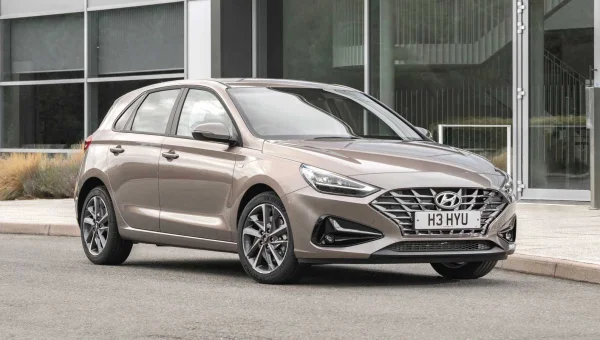
Hyundai Hydrogen Sales Surpass 50,000 Units in Korea
Hyundai Motor's cumulative hydrogen fuel cell vehicle sales in South Korea have exceeded 50,262 units as of the end of September. The Nexo SUV, launched in 2018, accounts for the…

