


200,000 km Doesn't Mean Thicker Oil — A Common Mistake That Ruins Engines
Many drivers increase engine oil viscosity after crossing 150,000 or 200,000 km, believing it compensates for wear. Maintenance experts confirm this is a misconception, stating the real criterion is the engine's technical condition, not the odometer. Continuing with manufacturer-recommended viscosity remains best as long as the engine operates efficiently without abnormal oil consumption. Blue smoke or a significant oil level drop requires technical diagnosis before any adjustment.
Does the odometer reading dictate your engine oil viscosity? The answer from maintenance experts is a firm no. Many drivers automatically switch to a thicker oil after crossing the 150,000 or 200,000 km mark, believing a worn engine needs heavier lubricant to maintain performance and stability.
Engine Condition Matters, Not the Odometer Number
The figure on your dashboard is merely a record of distance traveled, not a diagnosis of internal mechanics. Walid Abdo, a workshop manager, confirms this belief is among the most common misconceptions in car maintenance, explaining that crossing a certain kilometer threshold doesn't automatically warrant a higher oil viscosity.
The real benchmark is the engine's technical condition. If the engine runs efficiently, consumes oil at normal rates, and shows no signs of internal wear, sticking to the manufacturer-recommended viscosity remains the best course — even beyond 200,000 km.
When Thicker Oil Makes Sense
Limited scenarios justify moving to a higher viscosity, but they never relate to the odometer alone. You might need it when oil level drops noticeably between changes, blue smoke emerges from the exhaust, or a technical inspection confirms internal component wear. These symptoms demand proper diagnosis first.
The fix isn't necessarily a thicker oil. Rushing to change viscosity could mask a deeper mechanical problem requiring a more substantial repair. Proper diagnosis of the root cause is essential before deciding on the right course of action.
Heavier Oil Isn't a Magic Solution for Older Engines
Using oil thicker than recommended can slow its flow to critical engine parts, especially during cold starts, and may reduce overall lubrication efficiency. Modern engines are particularly vulnerable, as their lubrication systems and components are designed around specific viscosity grades — deviating from those values puts the engine's lifespan at risk.
Frequently Asked Questions
3 questions answered
Related News
View All News
One Million Pounds: Petrol, Electric, or Hybrid? Your Buying Guide
Presenter Hesham El-Zeiny has raised the key question for buyers with a one-million-pound budget: petrol, electric, hybrid, or range-extender? On Radio Egypt's «Arabeyti» program, he stressed that the decision depends…
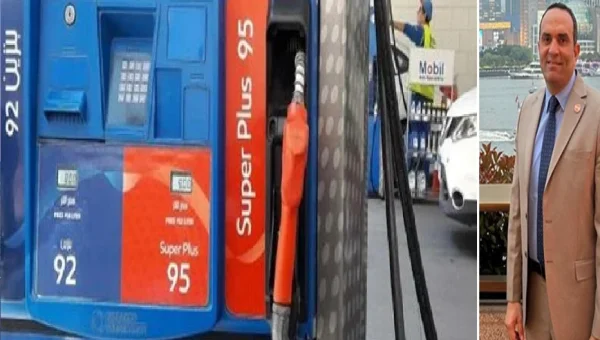
95 Octane for European Cars, 92 for Chinese: El-Hennawy Explains the Optimal Fuel Choice
Automotive maintenance expert Mohamed El-Hennawy revealed that modern European cars built to Euro 6 standards are best run on 95 octane fuel, while most Chinese cars in the Egyptian market…
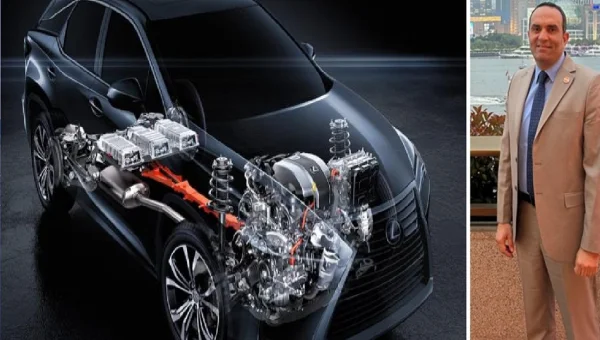
Why a Maintenance Expert Recommends Hybrids for One-Car Families
Car maintenance expert Mohamed El-Hennawy advised families owning a single vehicle to choose hybrid or plug-in hybrid models over full electric cars. These vehicles combine a petrol engine with an…

Egypt Offers New Billet Licenses to Boost Local Auto Components
Egypt's industry and investment ministers met with major steel producers including Ezz Steel, Beshay, and El-Masreyin to address billet availability challenges. The government announced new billet production licenses with price…

Mercedes Leads European Car Registrations in Egypt with 6,628 Units in 9 Months
Mercedes topped the list of European brands with the most vehicle registrations in Egypt during the first nine months of 2026, recording 6,628 units. Skoda came second with 6,227 vehicles,…

