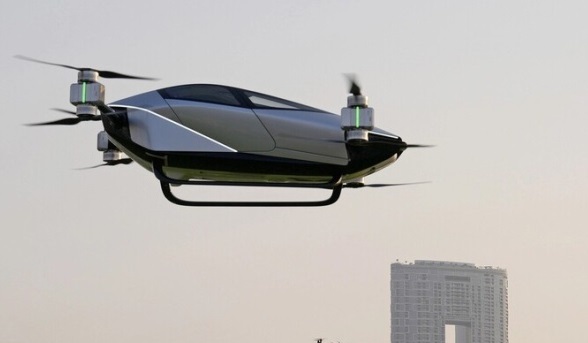
XPENG Prepares Two-Seat Flying Car for 2027 Launch Priced Near $300,000
Chinese company XPENG is preparing limited operations of its two-seat electric flying vehicle in the second half of 2027, priced near $300,000. The system pairs a six-wheeled ground vehicle with a separate electric flight module using six propellers, capable of about 30 kilometers per charge at up to 1,000 meters altitude. XPENG plans to launch it first for recreational use in designated flight zones and rescue operations, not as a replacement for conventional city cars.
Chinese company XPENG is preparing limited operations of its two-seat electric flying vehicle in the second half of 2027, priced near $300,000. The move shifts flying-car technology from test grounds to actual use. The market is moving.
What Is XPENG's Flying Vehicle Exactly?
The project has been in development and testing for about ten years. The company plans to launch it first for recreational use inside designated flight zones, along with rescue operations and access to locations hard to reach by conventional transport. It won't be a direct replacement for traditional cars in city streets. The design relies on a dual system: a large six-wheeled ground vehicle that transports and stores the flight unit. A separate electric flight module seating two people. The ground vehicle is roughly the size of a light transport truck, while the flight unit has a small cabin close to a Fiat 500 in size, using six electric propellers for vertical takeoff and landing without a conventional runway.
Specs: 30 Kilometers Per Charge at 1,000 Meters Altitude
The numbers are specific. The flying vehicle can cover up to about 30 kilometers on a single charge, with a maximum altitude of 1,000 meters. Technically, it's closer to a small multi-rotor electric aircraft than an ordinary car with folding wings, despite the 'flying car' label. The design allows the flight unit to be transported by road to designated flight sites instead of relying on airports or traditional aviation facilities. China is pushing to build a new market for low-altitude aerial vehicles that combine EV technology with drone systems.
Market Context and Commercial Hurdles
The bigger picture matters here. XPENG is moving within a wider Chinese push toward low-altitude aerial vehicles, but regulatory and infrastructure hurdles remain a real obstacle to mass adoption. The $300,000 price tag puts the vehicle in a very narrow buyer segment. Actual operation requires designated flight zones and special permits. The company has not yet disclosed specific markets or a detailed expansion timeline outside China. The six-wheeled ground vehicle plays a central role — it carries and stores the flight unit before takeoff, reducing dependence on traditional aviation facilities.
What It Means for Personal Aerial Mobility
The bet is significant. If XPENG succeeds in commercial operations by 2027, it will open the door for other companies to enter this emerging segment. Yet the 30-kilometer range and 1,000-meter ceiling suggest the vehicle is built for short-range, designated-zone use — not daily urban commuting. Rescue operations and access to remote sites remain the most realistic early use cases. The company continues testing ahead of the limited launch set for the second half of 2027.
Frequently Asked Questions
3 questions answered
Related News
View All News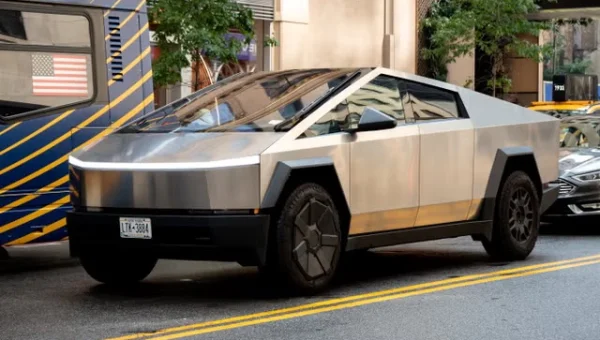
Your Tesla Hides 5 Features That Change Everything — One Locks It Even With the Key
Tesla vehicles include five hidden software features most owners overlook, led by PIN to Drive, which prevents driving even with the original key. The list also includes Glovebox PIN for…
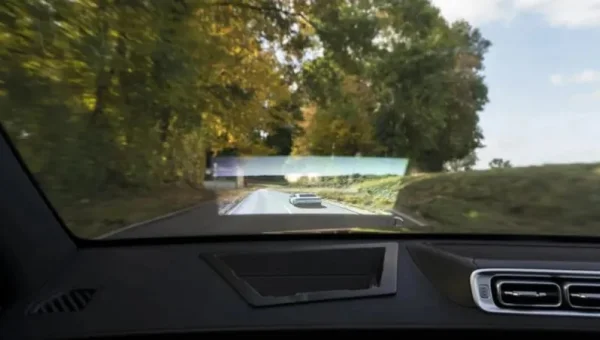
Mercedes Unveils Holo Display: The Windshield That Becomes a Targeted Holographic Screen
Mercedes-Benz is developing Holo Display, a technology that turns the windshield into a transparent holographic screen displaying information to specific occupants inside the car. The system uses a projector integrated…
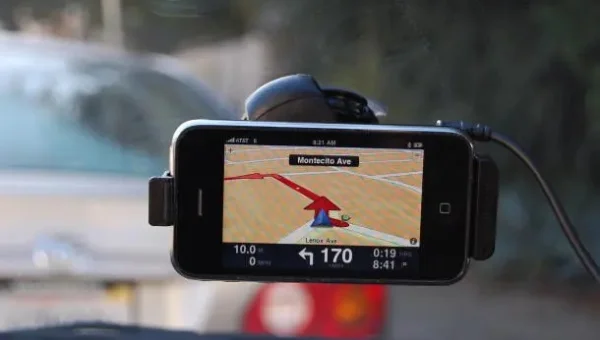
4 Mistakes Inside Your Car That Ruin Your Phone Battery
A report reveals that leaving your phone in a parked car and running charging and navigation simultaneously are among the top causes of phone battery degradation. High heat and direct…
California Bans Waymo Self-Driving Cars After They Refused to Obey Police Barriers
California authorities banned Waymo self-driving cars from operating without a driver on highways effective November 11, 2026, after two serious incidents: three vehicles entering a closed construction zone on US-101…

When Should You Replace Your Car's Shock Absorbers? 5 Signs You Can't Ignore
Shock absorbers are a core part of the suspension system, responsible for damping impacts and keeping the car stable. Five key signs indicate they are failing: unusual vibration, repeated bouncing…