Why Factory-Fitted Natural Gas Cars Beat Conversions: The Hidden Engineering Detail
The difference isn't just cosmetic. Cars designed to run on natural gas straight from the factory hold an advantage many owners overlook, and it comes down to where the gas cylinder is mounted and how that affects available cargo space.
Cylinder Placement Makes All the Difference
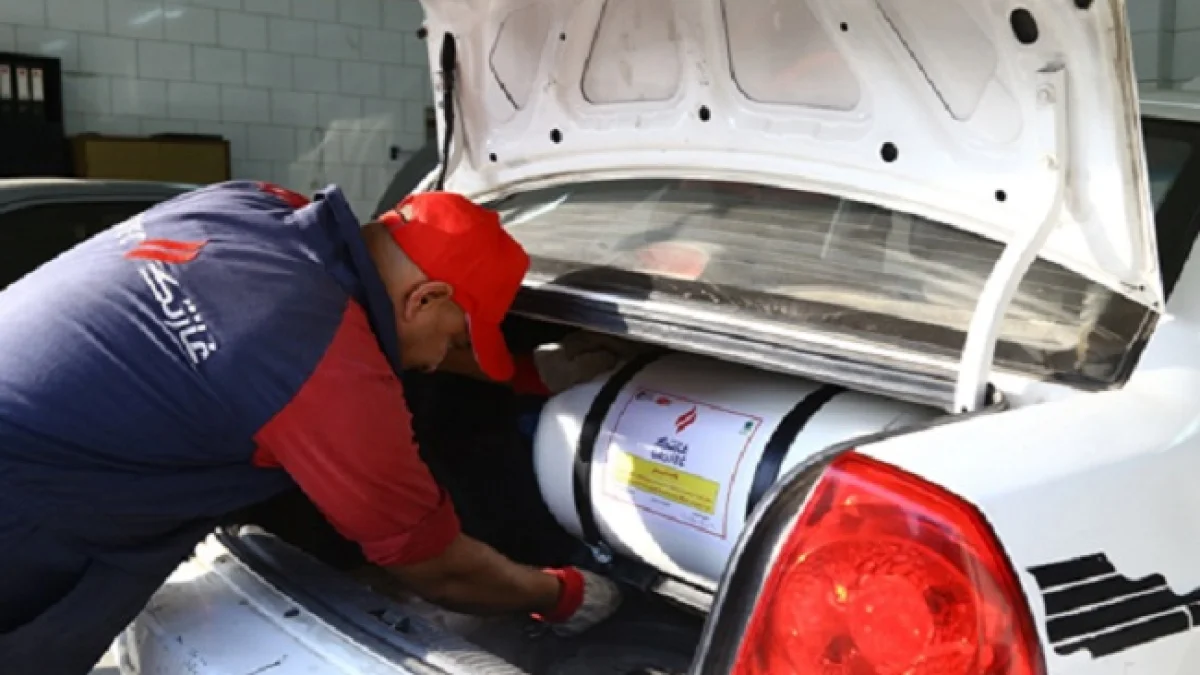
Experts at GazTech confirm that vehicles engineered from the start for natural gas benefit from a dedicated design, with a permanent spot for the gas cylinder tucked under the chassis. This smart layout keeps the trunk completely intact, so owners never have to sacrifice any of their daily loading capacity.
The result is clear. The full cargo area remains available for use, while converted cars tell a different story altogether, as the cylinder must be installed inside the trunk itself, which inevitably shrinks the space left for storage.
Conversion Isn't a Bad Option, But Precision Matters
That doesn't mean converted cars are a poor choice. Most natural gas vehicles worldwide started as regular cars before being retrofitted to run on the alternative fuel, and this option continues to enjoy widespread acceptance among users.
Conversion offers real savings. Cutting reliance on gasoline and diesel directly lowers monthly running costs, making it an attractive economic choice for many, yet experts stress that such conversions must be carried out by specialized entities following approved technical standards to ensure the system's safety and preserve the vehicle and its engine.
Related News
View All News
Key, Gauges, and Mirrors: Familiar Car Details That May Vanish from Your Next Vehicle
Modern cars are rapidly going digital, and traditional features drivers have used for decades are gradually disappearing. Analog instrument clusters are being replaced by screens, start buttons are giving way…

Batteries, Fuel Cells, or Hydrogen Combustion? 3 Technologies Racing for the Future of Cars
Three technologies are competing for the future of automobiles: battery electric vehicles, hydrogen fuel cells, and hydrogen combustion engines. Global EV sales surpassed 20 million units in 2025, roughly a…
Best Engine Oils for Your Car in Summer
As summer temperatures rise, choosing the right engine oil becomes critical to protect your car's engine. Experts recommend full synthetic multi-grade oils like 5W-30 or 10W-40. Trusted brands such as…

Over 1 Billion Connected Cars by 2035 — Can Mobile Networks Keep Up?
Omdia Research projects that connected cars using cellular networks will exceed 1.05 billion by 2035, up from 473.7 million in 2025. The study warns that 4G shutdowns expected from 2030…

Don't Turn Off Your Car's AC This Winter — Experts Explain Why
Germany's TÜV NORD inspection authority recommends running your car's air conditioning at least once a week for 10 minutes, even in cold weather. Regular operation keeps compressor oil and seals…