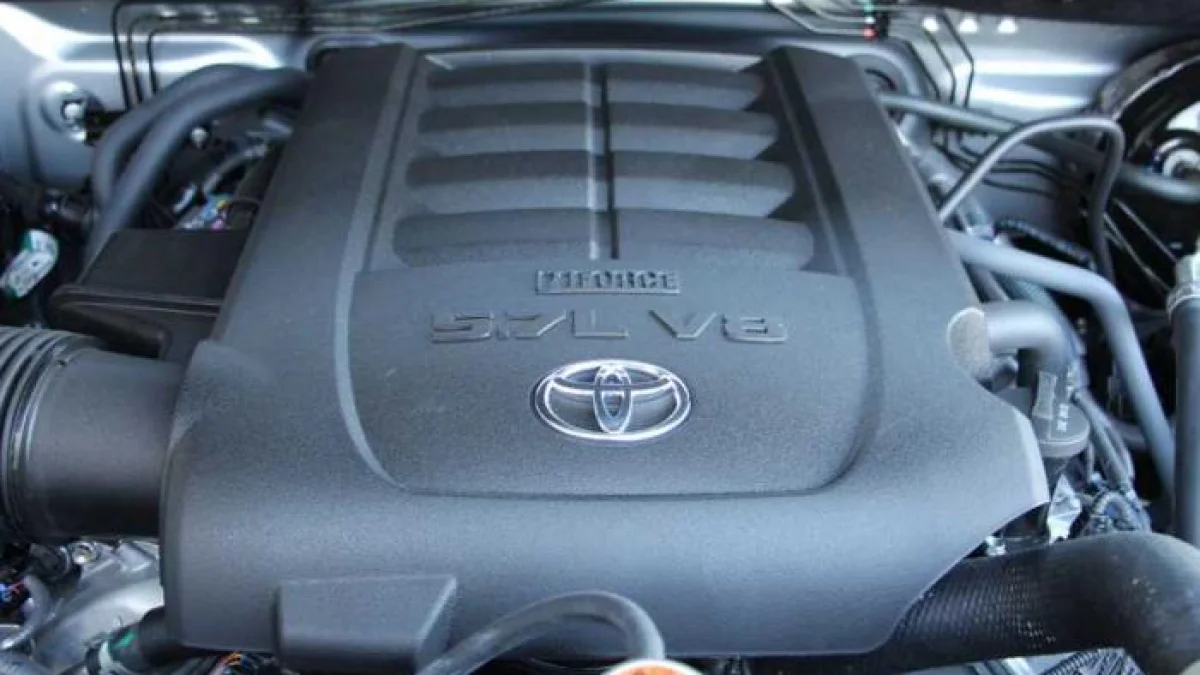
V8 Engines Refuse to Fade: How the Icon of Power Became a Battle for Survival
For years, the roar of a Ford Mustang and Dodge V8 engine served as an early announcement of a truly different machine hitting the road. With eight cylinders, a deep exhaust note, and surging power that builds with every press of the accelerator, this mechanical layout transformed into one of the most iconic symbols of American muscle and European high-performance automotive engineering. It became intrinsically linked to classic muscle cars, luxury German sedans, exotic supercars, and heavy-duty pickup trucks relying on massive torque to tow heavy loads or achieve breathtaking acceleration on open roads, making them the premier choice for driving enthusiasts seeking an unparalleled experience.
Unprecedented Challenges Facing the V8 Engine
However, the journey of the V8 engine is no longer smooth, as it now faces an unprecedented battle for survival in the modern automotive industry. With governments and regulatory bodies worldwide tightening environmental legislation and imposing strict carbon emission reduction targets, significant challenges threaten the continuation of this legendary powertrain. Furthermore, the rapid proliferation of electric vehicles and the development of smaller, highly efficient engines capable of producing similar or even superior power outputs using advanced turbocharging technologies have forced automotive engineers to completely rethink traditional performance paradigms, pushing manufacturers to continuously innovate and find solutions that balance driving pleasure with strict, uncompromising global environmental standards.
Why the V8 Remains the Ultimate Symbol of Performance
The engineering design of a V8 engine, as seen in performance models from BMW and Mercedes, features eight cylinders arranged in two banks forming a V shape. This unique configuration grants exceptional ability to generate massive horsepower and torque within a much shorter physical footprint compared to an inline engine with the same number of cylinders. The appeal of this engine is not merely about technical specifications; it is deeply rooted in the delivery of power, the auditory experience, and the mechanical vibrations felt by the driver. American cars traditionally celebrated the large-displacement engine for its abundant low-end torque, while European manufacturers focused on achieving higher rev limits, utilizing turbochargers, and ensuring precise, immediate throttle response, creating a perfect balance between raw power and the engineering precision that defines luxury and sports cars alike.
Smaller Engines and Turbocharging Threaten the Throne
In today's automotive landscape, massive power no longer strictly requires eight cylinders to achieve the desired performance metrics. Modern four-cylinder and six-cylinder engines, equipped with single or twin turbochargers and supported by advanced hybrid electric systems, can now easily surpass the capabilities and efficiency of many older V8 engines. Automotive manufacturers like Chevrolet and Bentley leverage the reduction in displacement and cylinder count to lower fuel consumption and minimize harmful emissions during official testing cycles, while simultaneously using electric motors to compensate for turbo lag and deliver instant torque upon acceleration, providing a smooth, powerful driving experience without sacrificing the environmental efficiency demanded by modern markets.
In this context, one of the most controversial examples in the sports car world emerged when Mercedes-AMG decided to replace the traditional V8 engine in the C 63 model with an advanced hybrid powertrain. This new system relies on a small-displacement four-cylinder engine, heavily supported by a powerful electric motor to eliminate turbo lag and deliver immediate torque. Despite several companies announcing the phasing out of V8 engines, recent years have revealed a striking paradox: some brands have reintroduced the V8 after temporarily abandoning it, confirming its survival into the next decade, albeit in a more complex form that seamlessly blends gasoline efficiency with modern electric technology, proving that the spirit of high performance remains alive, taking on new forms that adapt to contemporary requirements without completely abandoning their rich mechanical heritage.
Related News
View All News
Key, Gauges, and Mirrors: Familiar Car Details That May Vanish from Your Next Vehicle
Modern cars are rapidly going digital, and traditional features drivers have used for decades are gradually disappearing. Analog instrument clusters are being replaced by screens, start buttons are giving way…
Batteries, Fuel Cells, or Hydrogen Combustion? 3 Technologies Racing for the Future of Cars
Three technologies are competing for the future of automobiles: battery electric vehicles, hydrogen fuel cells, and hydrogen combustion engines. Global EV sales surpassed 20 million units in 2025, roughly a…
Best Engine Oils for Your Car in Summer
As summer temperatures rise, choosing the right engine oil becomes critical to protect your car's engine. Experts recommend full synthetic multi-grade oils like 5W-30 or 10W-40. Trusted brands such as…

Over 1 Billion Connected Cars by 2035 — Can Mobile Networks Keep Up?
Omdia Research projects that connected cars using cellular networks will exceed 1.05 billion by 2035, up from 473.7 million in 2025. The study warns that 4G shutdowns expected from 2030…

Don't Turn Off Your Car's AC This Winter — Experts Explain Why
Germany's TÜV NORD inspection authority recommends running your car's air conditioning at least once a week for 10 minutes, even in cold weather. Regular operation keeps compressor oil and seals…