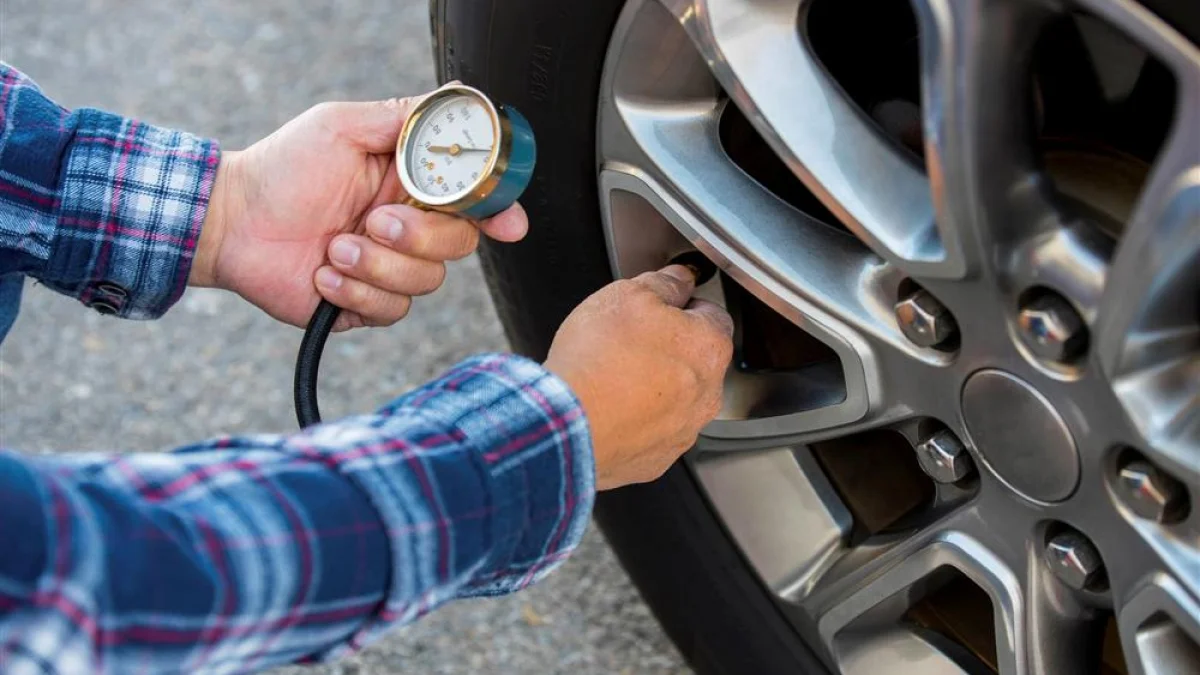
Wrong Tire Pressure Wastes Fuel and Shortens Tread Life — Here's the Correct Number
Improper tire pressure increases fuel consumption by an average of 0.6%, potentially reaching 3%, and reduces tread life by up to 4,700 miles. Underinflated tires raise rolling resistance, forcing the engine to burn extra gasoline. Overinflating tires above the recommended level provides no safe fuel savings and harms traction and ride comfort. The correct pressure is set by the vehicle manufacturer and listed in the owner's manual or door sticker.
What if the real culprit behind your rising fuel bills is sitting right beneath your car? Incorrect tire pressure increases gasoline consumption, shortens tread life, and compromises vehicle stability. Data from the U.S. Department of Energy confirms that maintaining proper pressure improves fuel economy by an average of 0.6%, with gains reaching as high as 3% in certain cases.
Why Does an Underinflated Tire Burn More Gas?
The physics here is straightforward. When air pressure inside the tire drops, more tire surface contacts the road, and the tire deforms more heavily during rotation—this raises what engineers call "rolling resistance." The engine then has to work harder to keep the car moving at the same speed, which directly burns more fuel even if the driver doesn't notice any performance difference.
Here's another figure worth remembering. According to the U.S. Department of Energy, fuel economy drops by about 0.2% for every 1 PSI decrease in average tire pressure. The National Highway Traffic Safety Administration (NHTSA) adds that reducing rolling resistance by 10% improves fuel economy by roughly 1 to 2%. These percentages sound small individually, but they compound with every mile driven.
The Damage Goes Beyond Fuel Costs
Driving on underinflated tires isn't just about visiting the pump more often—the risks run much deeper. An underinflated tire builds up more heat during driving, increasing the likelihood of damage. It wears unevenly across its surface. NHTSA reports that maintaining correct pressure can extend the average tire life by 4,700 miles, or over 7,500 kilometers. Four tires lasting thousands of extra miles equals real savings on replacement costs.
Some drivers now fall into the opposite trap. Learning that low pressure wastes fuel doesn't mean inflating tires above the recommended level will safely save more. Overinflation stiffens the ride, reduces traction, makes the tire more vulnerable to pothole impacts. Causes uneven wear in the center of the contact patch.
Where to Find the Correct Tire Pressure
The number printed on the tire's sidewall isn't your target—it indicates the maximum pressure the tire can physically withstand, not the ideal setting for your specific car. Automakers determine the optimal pressure based on vehicle weight, load distribution. Suspension tuning, so always check the owner's manual, the sticker inside the driver's door, or the fuel filler flap. Checking tire pressure at least once a month and before long trips guarantees better fuel economy, extended tire lifespan. A safer driving experience.
Frequently Asked Questions
3 questions answered
Related News
View All News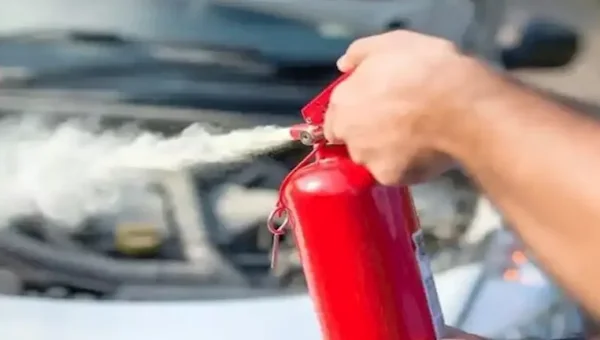
Car Fire Extinguisher: Prices, Shelf Life, and How to Use It Correctly
Car fire extinguishers are a key safety item, with prices in Egypt ranging from EGP 900 to EGP 950 for basic models. Water, dry powder, and foam extinguishers should be…

Tesla Pressures Europe to Approve FSD Amid Safety Expert Doubts
Tesla is pushing European regulators to speed up approval of its Full Self-Driving (FSD) system, citing a media campaign claiming delays cause road deaths. The company secured a Dutch approval…

Chinese Invasion: Baidu's 4,000 Robotaxis Head to Europe and Beyond
Chinese company Baidu announced plans to deploy over 4,000 self-driving taxis worldwide, with half heading to Europe in partnership with Uber. The collaboration will start in the Croatian city of…
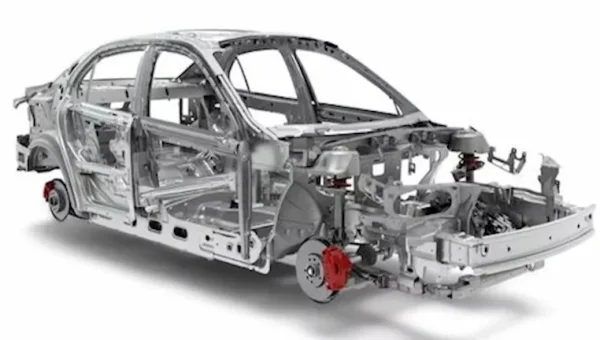
Not All Parts Wear Out: The Car Components That Last a Lifetime
Some car components are engineered to last the entire vehicle lifespan without routine replacement. The chassis, internal safety cage, and steering column are the most notable fixed parts that never…
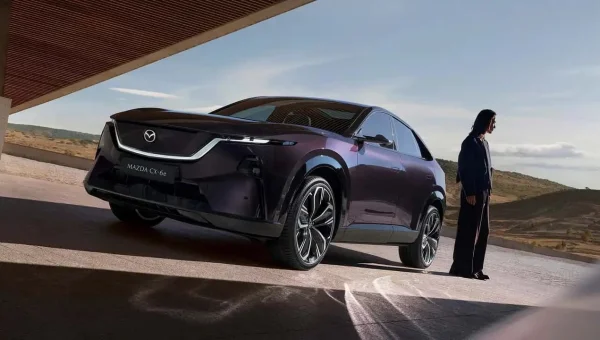
Mazda CX-6e EV Can Talk to Pedestrians via External Speaker — and It's Sparking Debate
Mazda has unveiled the External Announcement system in its CX-6e electric vehicle, an external speaker mounted on the front that allows the driver to broadcast pre-recorded or custom messages to…