Slow Car Windows? The Real Culprits Before You Replace the Motor
Slow-moving or stuck electric car windows don't always mean a dead motor, as simple causes like dirt in the track or dried-out rubber seals are common. If you hear the motor running without glass movement, the window regulator mechanism and internal cables are likely at fault. The electric switch itself can also cause intermittent response after heavy use. Regular maintenance of the tracks and periodic lubrication can significantly extend the window motor's lifespan
Is your electric car window crawling down or stopping dead in the middle of its track? This frustrating issue rarely means the window motor is dead — the real cause is often far simpler, ranging from dirt buildup in the channel to dried-out rubber seals surrounding the glass.
The problem usually starts with dust and grime accumulating inside the window track itself. That buildup adds resistance and forces the motor to work harder with every button press. Constant exposure to sunlight and high temperatures strips the rubber seals of their natural flexibility and lubrication, turning smooth operation into an annoying squeak and grinding friction.
You Hear the Motor, But the Window Won't Budge?
Hearing the motor spin when you press the switch while the glass stays put points to the window regulator mechanism or the internal cables. Over years of use, the cables and plastic parts inside the assembly wear down, causing the glass to stop at a certain point or move noticeably off-balance.
A window that tilts to one side as it climbs, or emits a grinding and knocking sound from inside the door, is a serious red flag. These symptoms mean the glass has partially left its track or a component of the regulator has genuinely broken — an immediate inspection is needed before the damage escalates.
The Switch Itself Could Be the Hidden Culprit
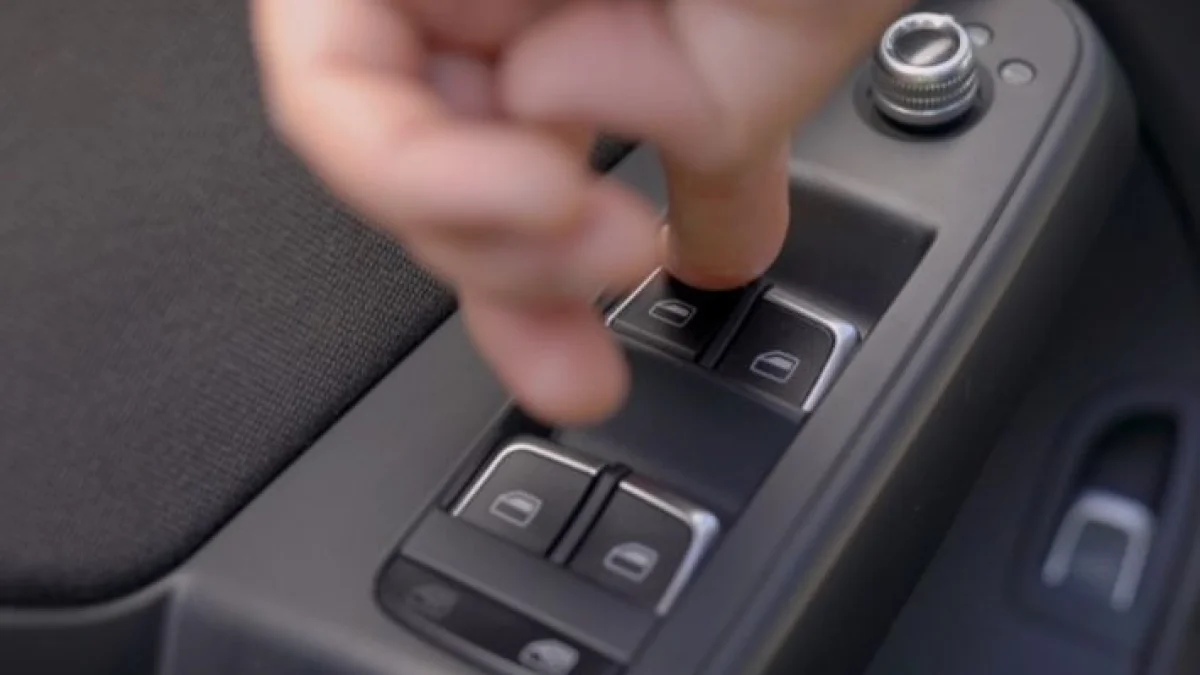
Not all window faults are mechanical, as the electric switch in front of you is responsible for sending the signal to the window motor. With heavy use, the contacts inside can wear out or become dirty, resulting in intermittent response or forcing you to press multiple times before the window moves at all.
If only a single window fails while all others operate normally, the issue is almost certainly isolated to that specific window. A Hyundai Elantra, for example, can develop these faults after years of service. Accurate diagnosis is half the solution — replacing the motor without investigating the true causes is a waste of money. The smartest fix starts with cleaning the window track and lubricating the rubber seals with a silicone-based spray; if the problem persists, a thorough technical inspection is the next logical step.
Most sluggish window cases are resolved with simple, low-cost measures. The Toyota Corolla and Kia Cerato are models where owners notice these symptoms over time. Technicians recommend periodic inspection of the rubber tracks at least every six months. Regularly lubricating the doors and channels dramatically extends the life of the window motor, saving you from a much larger repair bill down the road. Hyundai spare parts prices and Toyota parts costs in the Egyptian market vary by model, but preventive maintenance is always far cheaper than replacing the entire motor assembly.
Frequently Asked Questions
3 questions answered
Related News
View All News
Chinese Invasion: Baidu's 4,000 Robotaxis Head to Europe and Beyond
Chinese company Baidu announced plans to deploy over 4,000 self-driving taxis worldwide, with half heading to Europe in partnership with Uber. The collaboration will start in the Croatian city of…
Not All Parts Wear Out: The Car Components That Last a Lifetime
Some car components are engineered to last the entire vehicle lifespan without routine replacement. The chassis, internal safety cage, and steering column are the most notable fixed parts that never…
Mazda CX-6e EV Can Talk to Pedestrians via External Speaker — and It's Sparking Debate
Mazda has unveiled the External Announcement system in its CX-6e electric vehicle, an external speaker mounted on the front that allows the driver to broadcast pre-recorded or custom messages to…
Key, Gauges, and Mirrors: Familiar Car Details That May Vanish from Your Next Vehicle
Modern cars are rapidly going digital, and traditional features drivers have used for decades are gradually disappearing. Analog instrument clusters are being replaced by screens, start buttons are giving way…
Batteries, Fuel Cells, or Hydrogen Combustion? 3 Technologies Racing for the Future of Cars
Three technologies are competing for the future of automobiles: battery electric vehicles, hydrogen fuel cells, and hydrogen combustion engines. Global EV sales surpassed 20 million units in 2025, roughly a…