Radiator Maintenance and Cooling Hose Checks Help Protect the Engine During Heatwaves
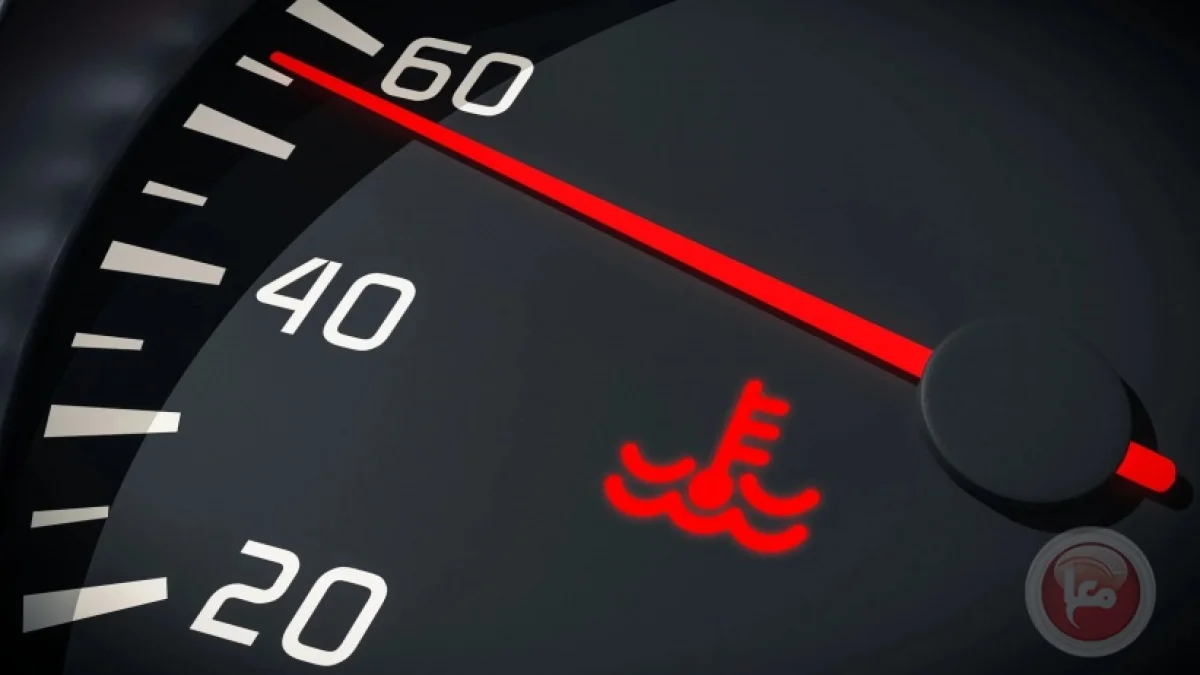
Extreme heat puts every cooling system under pressure. As temperatures climb, the load on a vehicle's cooling system increases, leaving many drivers concerned about the temperature warning light appearing without notice, a situation that can result in an unexpected roadside breakdown if the cooling system isn't inspected and maintained before warning signs begin to appear. Prevention matters.
How a Blocked Radiator Raises Engine Temperature
What causes the problem? According to Hamada El Safty, a vehicle service center manager, a clogged radiator is one of the leading reasons behind elevated Subaru engine temperature, as accumulated deposits and impurities reduce the radiator's ability to dissipate heat efficiently, with the issue becoming even more noticeable during intense heatwaves when the cooling system is placed under greater stress. The explanation is straightforward.
Routine Cooling System Service Makes the Difference
The impact is significant. Any blockage inside the radiator reduces its cooling performance, allowing engine temperature to rise, making routine radiator maintenance an essential step in preventing the problem, including cleaning the cooling circuit and checking the radiator core to restore cooling efficiency and maintain stable engine temperature even during periods of extreme heat. Regular service helps.
On long drives the importance of preventive inspection becomes even clearer, as El Safty stresses the need to examine radiator hoses and connections, verify that there are no coolant leaks, and avoid ignoring any unusual indication related to engine temperature, explaining that consistent maintenance and regular inspection of the cooling system help extend engine service life and reduce the risk of unexpected mechanical failures during periods of exceptionally high temperatures. Small checks matter.
Related News
View All News
Key, Gauges, and Mirrors: Familiar Car Details That May Vanish from Your Next Vehicle
Modern cars are rapidly going digital, and traditional features drivers have used for decades are gradually disappearing. Analog instrument clusters are being replaced by screens, start buttons are giving way…

Batteries, Fuel Cells, or Hydrogen Combustion? 3 Technologies Racing for the Future of Cars
Three technologies are competing for the future of automobiles: battery electric vehicles, hydrogen fuel cells, and hydrogen combustion engines. Global EV sales surpassed 20 million units in 2025, roughly a…
Best Engine Oils for Your Car in Summer
As summer temperatures rise, choosing the right engine oil becomes critical to protect your car's engine. Experts recommend full synthetic multi-grade oils like 5W-30 or 10W-40. Trusted brands such as…

Over 1 Billion Connected Cars by 2035 — Can Mobile Networks Keep Up?
Omdia Research projects that connected cars using cellular networks will exceed 1.05 billion by 2035, up from 473.7 million in 2025. The study warns that 4G shutdowns expected from 2030…

Don't Turn Off Your Car's AC This Winter — Experts Explain Why
Germany's TÜV NORD inspection authority recommends running your car's air conditioning at least once a week for 10 minutes, even in cold weather. Regular operation keeps compressor oil and seals…