Hybrid Systems Explained: Mild Hybrid vs Full Hybrid vs Plug-in Hybrid – Which One Fits You?
Hybrid cars are no longer a niche. With fuel prices climbing across Egypt, more buyers are turning to electrified powertrains. But the terminology can be confusing. Mild hybrid, full hybrid, plug-in hybrid. Three names, one basic concept—but very different realities.
What is a Hybrid Car?
A hybrid vehicle combines a conventional internal combustion engine with one or more electric motors. The goal is straightforward: better fuel efficiency, reduced emissions, and smoother driving. Unlike fully electric vehicles, hybrids don't rely solely on electricity—the way they operate changes depending on the hybrid system in use. These systems now appear across a wide range of segments, from sedans and hatchbacks to luxury SUVs.
Mild Hybrid vs Full Hybrid vs Plug-in Hybrid: The Key Differences
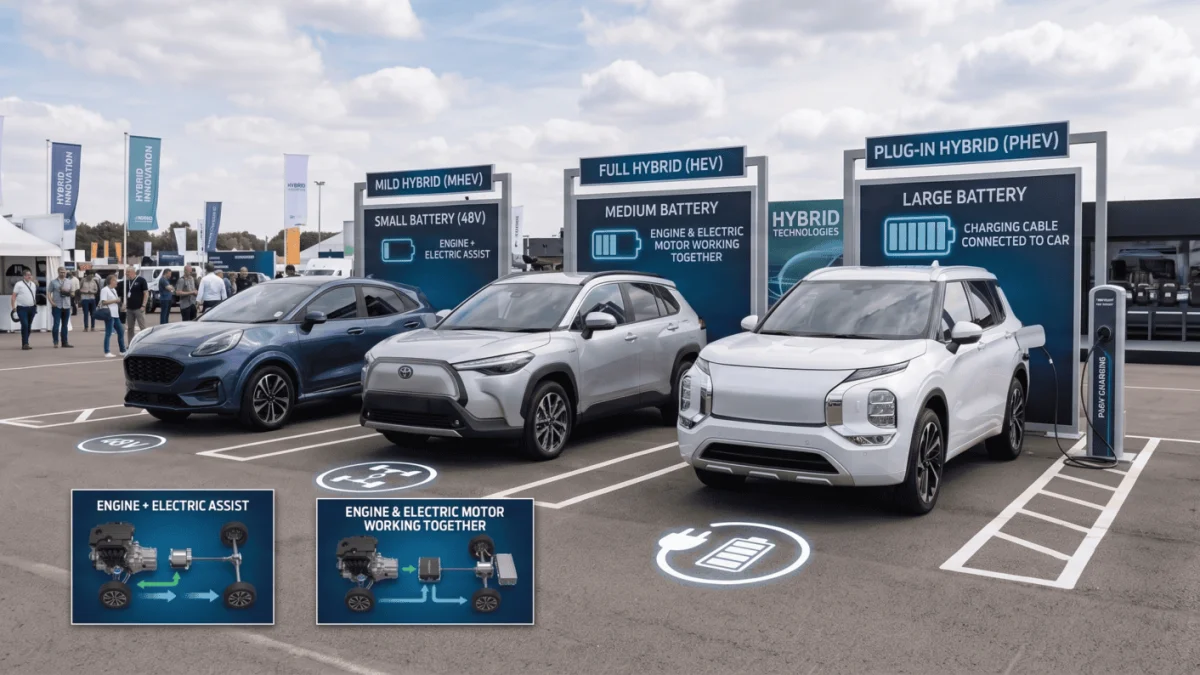
All three systems pair a gasoline engine with an electric motor. Yet the way each works is fundamentally different. The gap isn't just about marketing—it's about real-world capability.
A mild hybrid—or MHEV—is the simplest entry point. A small electric motor assists the gasoline engine during acceleration and start-stop conditions. It can't power the car on its own. No external charging, no all-electric driving. Fuel consumption is lower than conventional cars, and the purchase price is the lowest of the three. Ideal for daily city commutes.
A full hybrid—or HEV—takes things further. The electric motor can drive the car on its own, but only for short distances. The battery is mid-sized and requires no external charging—it recharges through regenerative braking and coasting. Fuel economy is strong, and pricing sits in the middle. This system suits drivers who split their time between city streets and highways.
Plug-in hybrids—or PHEVs—represent the top tier. Electric-only driving is available for longer distances thanks to a larger battery pack. But the catch is real: external charging is essential to unlock maximum efficiency. With regular charging, fuel consumption drops to the lowest among the trio. The purchase price is the highest. Best for those with access to home or workplace charging.
The choice depends entirely on your driving pattern. No single system fits everyone. The real question is simple: where will you drive it?
Related News
View All News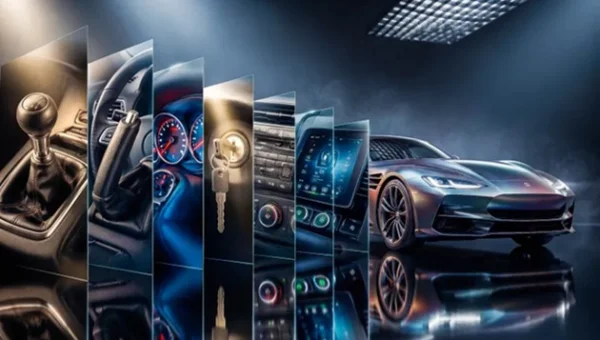
Key, Gauges, and Mirrors: Familiar Car Details That May Vanish from Your Next Vehicle
Modern cars are rapidly going digital, and traditional features drivers have used for decades are gradually disappearing. Analog instrument clusters are being replaced by screens, start buttons are giving way…
Batteries, Fuel Cells, or Hydrogen Combustion? 3 Technologies Racing for the Future of Cars
Three technologies are competing for the future of automobiles: battery electric vehicles, hydrogen fuel cells, and hydrogen combustion engines. Global EV sales surpassed 20 million units in 2025, roughly a…
Best Engine Oils for Your Car in Summer
As summer temperatures rise, choosing the right engine oil becomes critical to protect your car's engine. Experts recommend full synthetic multi-grade oils like 5W-30 or 10W-40. Trusted brands such as…

Over 1 Billion Connected Cars by 2035 — Can Mobile Networks Keep Up?
Omdia Research projects that connected cars using cellular networks will exceed 1.05 billion by 2035, up from 473.7 million in 2025. The study warns that 4G shutdowns expected from 2030…

Don't Turn Off Your Car's AC This Winter — Experts Explain Why
Germany's TÜV NORD inspection authority recommends running your car's air conditioning at least once a week for 10 minutes, even in cold weather. Regular operation keeps compressor oil and seals…