How Indrive uses AI in Egypt to verify driver identities
Indrive is using AI to verify driver identities in Egypt by reviewing official documents and matching ID photos before activating accounts. The Photocontrol system requires periodic selfies and vehicle photos to ensure ongoing compliance with registered data. Advanced mechanisms detect duplicate and linked accounts to prevent fraud and platform abuse. This approach gives passengers better tools to make safer decisions before and during their trips.
Ride-hailing platform Indrive is deploying artificial intelligence in Egypt to verify driver identities and inspect vehicles before any trip begins. The new procedures include reviewing official documents and matching ID photos against the personal images submitted on the platform. It's a security layer designed to protect passengers from the very first moment they open the app.
Verification before joining Indrive
Every driver account undergoes a rigorous screening process before activation. The company reviews official paperwork, checks technical vehicle conditions, and uses AI to analyze submitted photos. A single mismatch in the data? The account is rejected immediately. No exceptions, no second chances during this initial phase.
Indrive has adopted a "Photocontrol" system that requires drivers to take periodic selfies and update vehicle images through the app. The goal is straightforward: ensure the person behind the wheel is the registered driver. The car in use is the one listed in the account. If the platform detects any irregularity, additional verification steps are triggered and driver access is temporarily restricted until everything checks out.
A system built to stop duplicate accounts
The same AI engine scans for duplicate profiles and flags suspicious activity linked to multiple accounts from a single device. Any account found violating platform rules gets permanently banned, cutting off abuse and attempts to circumvent security measures. Indrive is now developing even smarter detection tools to prevent previously banned users from creating new accounts altogether.
370 million trips a year — that's the scale of the challenge the company faces in the Egyptian market. All verification layers run through AI algorithms around the clock without any human error. Company officials say the shift is decisive: move from responding to incidents after they happen to predicting and neutralizing risks before they occur.
What this means for riders
Passengers feel the impact directly through new in-app tools that allow them to verify their driver's identity and vehicle status before confirming a booking. The platform also provides access to a driver's rating history and trip records, creating a safer decision-making environment. Egypt's ride-hailing sector now operates with a stronger safety benchmark than ever before. The technology continues to evolve in real time.
Frequently Asked Questions
3 questions answered
Related News
View All News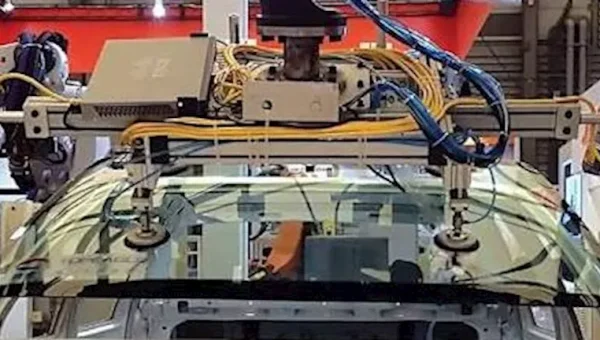
How a New Car Is Born: The Journey from Digital Sketches to the Production Line
Every new car undergoes a three-to-five-year development journey starting with segment definition and 3D digital design concepts. Engineers specify structural, powertrain, suspension, steering, and braking solutions during this phase. Prototypes…
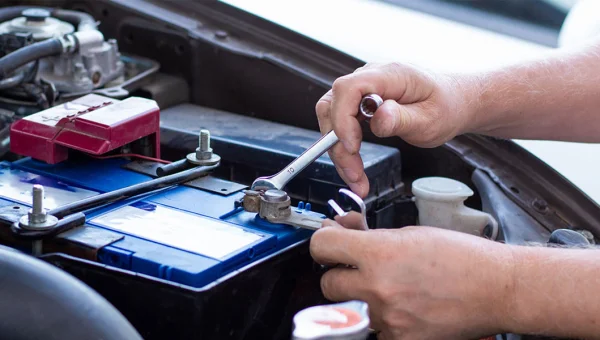
Before Replacing Your Car Battery: What Do CCA, CA, RC, and Ah Mean?
Choosing a car battery isn't just about size or price. It requires understanding the codes on the label, such as CCA, CA, RC, and Ah. CCA measures the battery's ability…
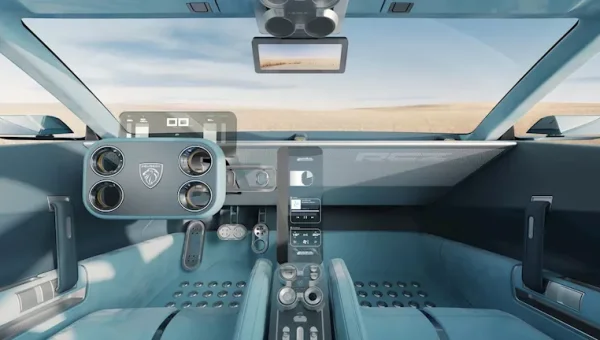
Peugeot Unveils RCZ Vision Concept with Square Steering Wheel
Peugeot has unveiled the RCZ Vision concept car featuring the Hypersquare® steering system with a square wheel and Steer-by-Wire technology. The system eliminates mechanical linkages and offers a maximum steering…

Betty Deploys Hydrogen Injection Tech in 104 Vehicles to Cut Emissions by 20%
Betty, a subsidiary of Almarai, has begun deploying hydrogen injection technology across 104 vehicles in its distribution fleet to reduce emissions by up to 20%. The project is in partnership…
Porsche Explores Manual Feel in EV Era: Patent Reveals Real Gearbox with Electric Motor
Porsche has filed a patent for a mechanical gearbox designed for electric motors, featuring two mechanical gear ratios and a real clutch. The original filing dates back to March 2013,…