Strange Buzz and Power Loss? Telltale Signs of a Failing Fuel Pump
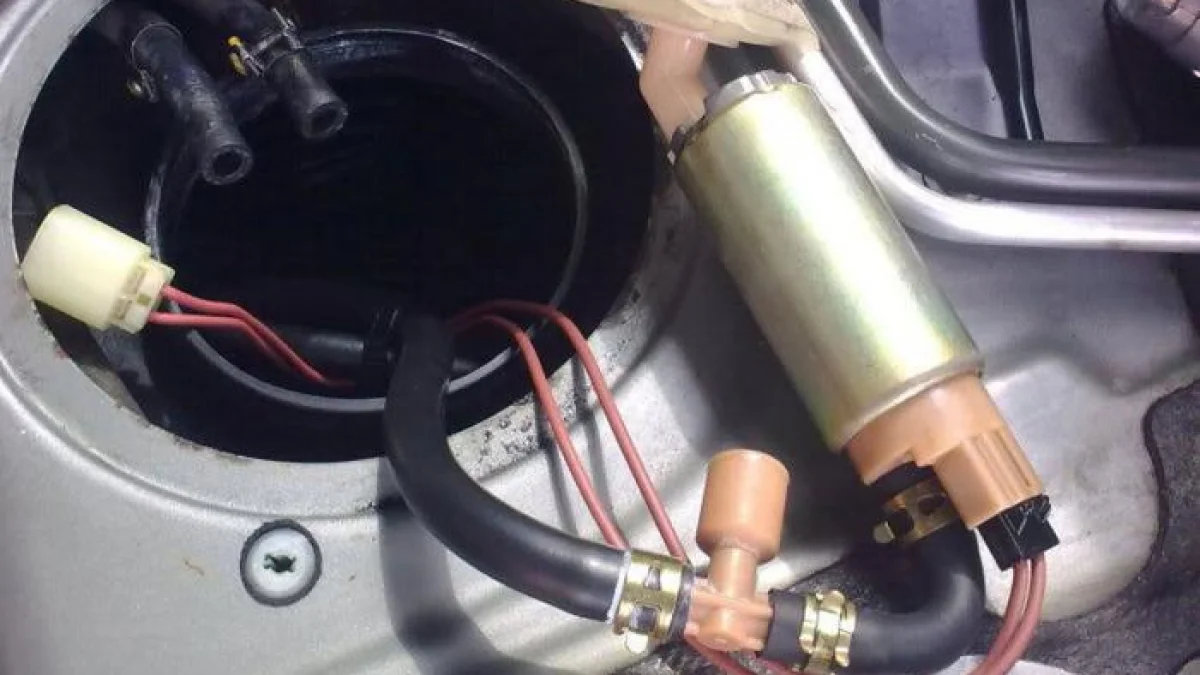
A strange buzz from the rear, an engine that stutters mid-drive, acceleration that fades without warning. These aren't random glitches — they're early warnings from a fuel system under stress. The fuel pump, that silent component tucked behind the tank, carries the critical job of delivering fuel at the right pressure to the engine.
Failure rarely strikes without notice. Most cars flash clear signals before the pump completely gives out, yet these symptoms often overlap with other faults in the ignition and fuel delivery systems. That's why a proper technical inspection remains the only way to confirm the diagnosis before swapping parts.
Warning Signs You Should Never Ignore
Hard starting tops the list. If the engine needs multiple cranks to fire up, or takes noticeably longer than usual, the pump likely can't build the required pressure quickly enough. The same goes for a loud humming noise coming from the tank area — a faint whir when turning the key is normal on many cars, but a persistent or increasingly loud tone means the pump is struggling against a clogged filter or internal strain.
Power stuttering during highway driving or when flooring the accelerator reveals the pump's failure to maintain steady fuel flow. Gas reaches the engine in uneven bursts, translating into jerky movement. Weak acceleration on uphill grades or under heavy load also ranks among the key indicators, since the engine demands more fuel in those situations and a tired pump simply can't keep up.
When to Take Immediate Action
A car that suddenly dies while driving and then restarts after a brief pause is a red flag that demands instant attention. This could point to pump overheating or an electrical connection issue, but the safest response is pulling over and scheduling a checkup before the same failure happens in a more dangerous spot.
Rough idling, noticeable vibration, or irregular engine rpm fluctuations provide additional clues. In some cases, the check engine light illuminates when the ECU logs a fuel pressure fault. An unusual spike in fuel consumption also deserves attention, though by itself it can't confirm the diagnosis. Catching these symptoms early saves drivers from far costlier repairs involving injectors or the engine itself.
Related News
View All News
Key, Gauges, and Mirrors: Familiar Car Details That May Vanish from Your Next Vehicle
Modern cars are rapidly going digital, and traditional features drivers have used for decades are gradually disappearing. Analog instrument clusters are being replaced by screens, start buttons are giving way…

Batteries, Fuel Cells, or Hydrogen Combustion? 3 Technologies Racing for the Future of Cars
Three technologies are competing for the future of automobiles: battery electric vehicles, hydrogen fuel cells, and hydrogen combustion engines. Global EV sales surpassed 20 million units in 2025, roughly a…
Best Engine Oils for Your Car in Summer
As summer temperatures rise, choosing the right engine oil becomes critical to protect your car's engine. Experts recommend full synthetic multi-grade oils like 5W-30 or 10W-40. Trusted brands such as…

Over 1 Billion Connected Cars by 2035 — Can Mobile Networks Keep Up?
Omdia Research projects that connected cars using cellular networks will exceed 1.05 billion by 2035, up from 473.7 million in 2025. The study warns that 4G shutdowns expected from 2030…
Don't Turn Off Your Car's AC This Winter — Experts Explain Why
Germany's TÜV NORD inspection authority recommends running your car's air conditioning at least once a week for 10 minutes, even in cold weather. Regular operation keeps compressor oil and seals…