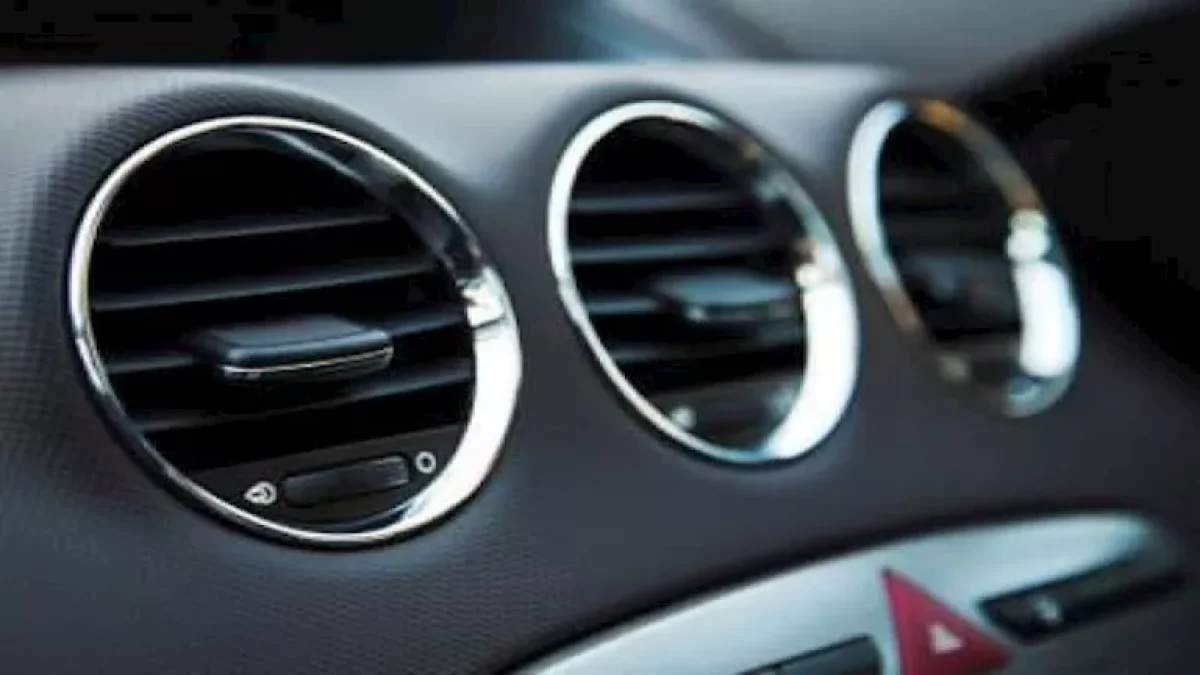
Freon Gas Leak in Car AC: Warning Signs and Essential Protection Methods
A tragic incident in Egypt revealed the dangers of freon gas leaking from a car AC, killing three family members. This guide outlines clear warning signs like weak cooling, unusual noises, and oily residue. It also details steps for regular visual and professional inspection, emphasizing that preventive maintenance is an essential safety measure, not a luxury.
A tragic incident in Egypt claimed the lives of a family of three — a father, mother. Their daughter — with initial investigations linking the deaths to a possible car air conditioning freon gas leak. The heartbreaking event has spotlighted the grave dangers of neglected cooling systems, as gas leaking inside a sealed cabin can cause severe health risks, possibly leading to death. Regular AC inspection is no longer a luxury; it's now an essential safety measure.
Warning Signs That Settle It
Weak cooling performance stands as the first and most prominent indicator. If the AC starts blowing lukewarm air or cooling levels noticeably drop from the usual, this could reflect a fault or a refrigerant shortage caused by a leak. Sound also makes a difference; sudden hissing or whistling noises when the AC runs often point to a problem in the cooling circuit that demands swift intervention.
Frequent compressor cycling on and off within short periods could signal a fault in the entire car air conditioning system. oily residue around hoses, connections, or near the compressor is a precise indicator of a leak, as refrigerant escape is usually accompanied by some system oil discharge. Do not ignore these signs even if they seem minor.
Practical Steps for Inspection and Protection
Regular visual inspection forms the first line of defense. Inspect the visible parts of the cooling system, especially hoses and connections, ensuring there is no damage, corrosion, or obvious leak traces. This simple step can catch a problem before it escalates, particularly in passenger cars that cover long daily distances.
Professional inspection by a qualified technician remains the safest option, especially as summer approaches. Checking freon gas pressure, verifying compressor integrity. Testing overall cooling efficiency are procedures that must be carried out periodically. The cost of these checks is negligible compared to the price of safety. It never equals the magnitude of potential human loss.
Personal awareness of freon leak risks is a crucial step. If you feel any unusual smell or dizziness while the AC operates in a closed space, open the windows immediately and stop the car. Ignoring these signals could turn into a catastrophe. Investing in regular preventive maintenance is far cheaper than any alternative. Safety begins with a simple check that takes just a few minutes.
Frequently Asked Questions
3 questions answered
Related News
View All News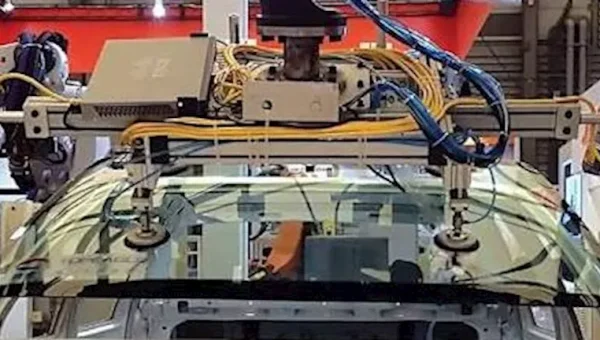
How a New Car Is Born: The Journey from Digital Sketches to the Production Line
Every new car undergoes a three-to-five-year development journey starting with segment definition and 3D digital design concepts. Engineers specify structural, powertrain, suspension, steering, and braking solutions during this phase. Prototypes…
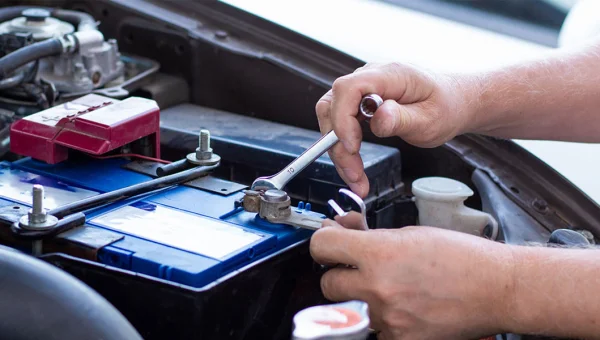
Before Replacing Your Car Battery: What Do CCA, CA, RC, and Ah Mean?
Choosing a car battery isn't just about size or price. It requires understanding the codes on the label, such as CCA, CA, RC, and Ah. CCA measures the battery's ability…

Peugeot Unveils RCZ Vision Concept with Square Steering Wheel
Peugeot has unveiled the RCZ Vision concept car featuring the Hypersquare® steering system with a square wheel and Steer-by-Wire technology. The system eliminates mechanical linkages and offers a maximum steering…

Betty Deploys Hydrogen Injection Tech in 104 Vehicles to Cut Emissions by 20%
Betty, a subsidiary of Almarai, has begun deploying hydrogen injection technology across 104 vehicles in its distribution fleet to reduce emissions by up to 20%. The project is in partnership…
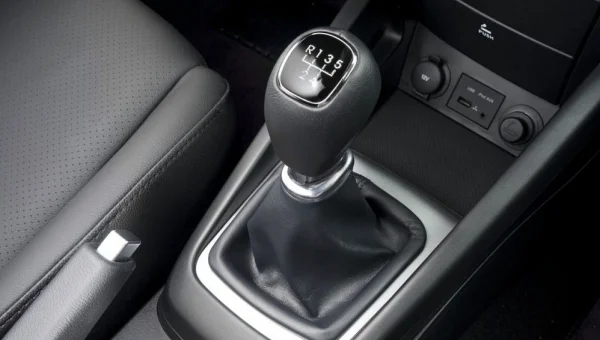
Porsche Explores Manual Feel in EV Era: Patent Reveals Real Gearbox with Electric Motor
Porsche has filed a patent for a mechanical gearbox designed for electric motors, featuring two mechanical gear ratios and a real clutch. The original filing dates back to March 2013,…