Which Is More Dangerous for Your Engine: Overheating or Low Oil Pressure? Expert Explains
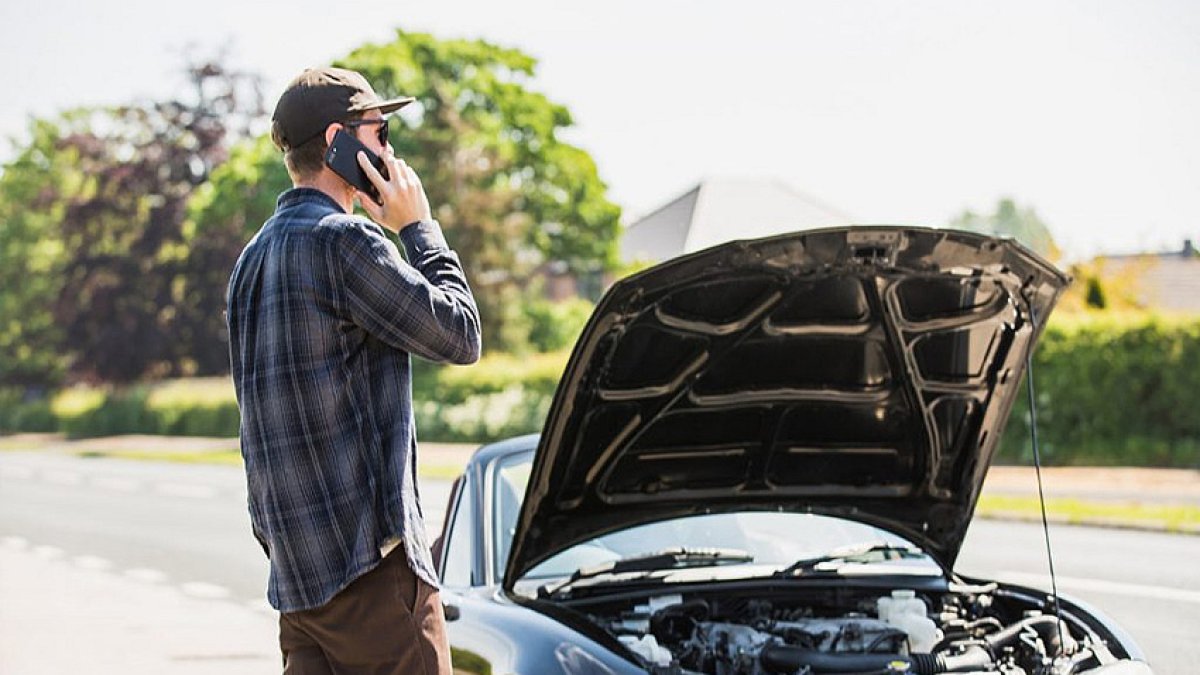
Many car owners believe that engine overheating is the greatest threat their vehicle can face. However, maintenance experts warn that another issue can be even more destructive, potentially destroying the engine in a very short time.
In response to a question about which is more dangerous for the engine—overheating or low oil pressure—automotive mechanic expert Haitham Farag explained that low oil pressure ranks among the most severe mechanical failures that can affect an engine.
Farag noted that oil serves as the engine's lifeblood, lubricating internal components and reducing friction during operation. When oil pressure drops or oil fails to reach vital parts, metal components begin grinding against each other within seconds. This can lead to rapid wear and severe damage, possibly resulting in total engine failure.
He added that while engine overheating remains a serious issue that should not be underestimated, it typically provides early warning signs—such as a rising temperature gauge or a dashboard alert. This gives the driver a chance to act quickly before the problem worsens.
Farag emphasized that the greatest danger occurs when both problems coincide. When engine overheating combines with low oil pressure, wear accelerates dramatically, and the risk of catastrophic engine damage increases within just minutes.
Essential Steps When the Oil Light or Temperature Warning Appears
Farag advised drivers to respond immediately to any warning related to the lubrication or cooling system. Steps include stopping the vehicle in a safe location, turning off the engine immediately without continuing to drive, checking the engine oil and coolant levels if it is safe to do so, and then calling for professional technical assistance to diagnose the cause of the fault.
He concluded by stressing that ignoring the oil warning light—even for a short period—can turn a minor, low-cost issue into complete engine failure requiring expensive repairs or a full replacement. Quick response is therefore critical to protecting the engine and avoiding major losses.
Related News
View All News
Key, Gauges, and Mirrors: Familiar Car Details That May Vanish from Your Next Vehicle
Modern cars are rapidly going digital, and traditional features drivers have used for decades are gradually disappearing. Analog instrument clusters are being replaced by screens, start buttons are giving way…
Batteries, Fuel Cells, or Hydrogen Combustion? 3 Technologies Racing for the Future of Cars
Three technologies are competing for the future of automobiles: battery electric vehicles, hydrogen fuel cells, and hydrogen combustion engines. Global EV sales surpassed 20 million units in 2025, roughly a…
Best Engine Oils for Your Car in Summer
As summer temperatures rise, choosing the right engine oil becomes critical to protect your car's engine. Experts recommend full synthetic multi-grade oils like 5W-30 or 10W-40. Trusted brands such as…

Over 1 Billion Connected Cars by 2035 — Can Mobile Networks Keep Up?
Omdia Research projects that connected cars using cellular networks will exceed 1.05 billion by 2035, up from 473.7 million in 2025. The study warns that 4G shutdowns expected from 2030…
Don't Turn Off Your Car's AC This Winter — Experts Explain Why
Germany's TÜV NORD inspection authority recommends running your car's air conditioning at least once a week for 10 minutes, even in cold weather. Regular operation keeps compressor oil and seals…