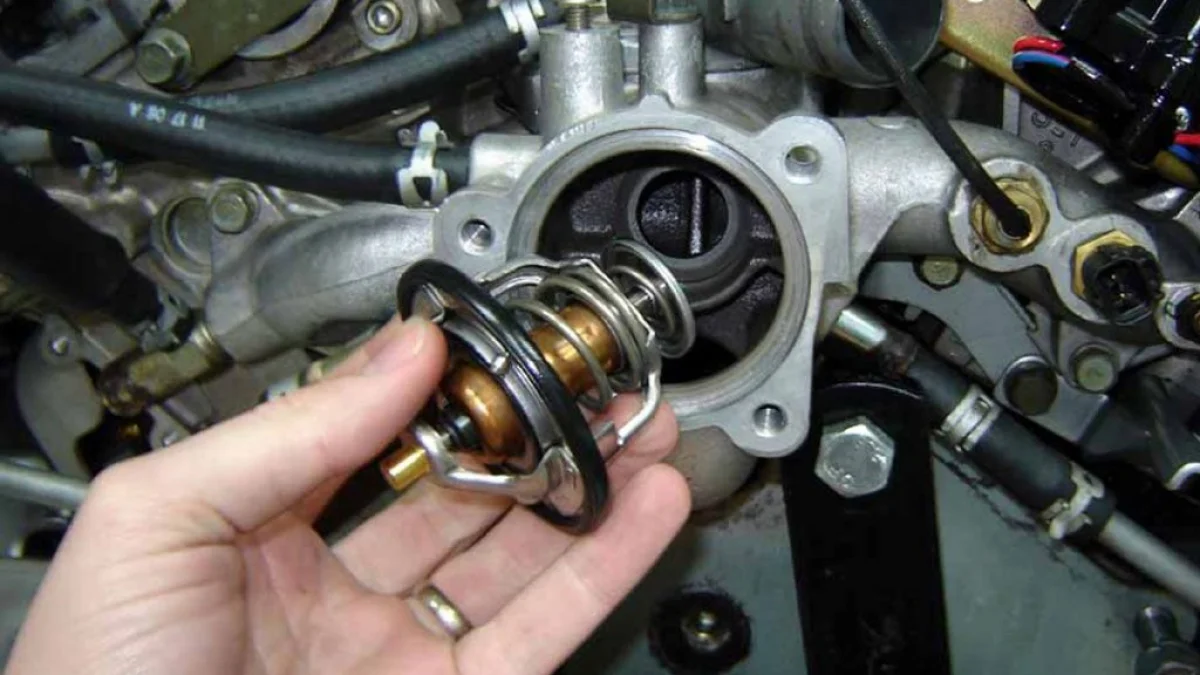
Engine Overheating? Removing the Thermostat Could Make the Problem Worse
The mistake is common. Some drivers remove the engine thermostat believing it's the quickest way to solve an overheating problem, yet maintenance experts say this step doesn't address the real cause of the fault and may instead create technical issues that reduce engine performance, affect cooling system efficiency, and increase repair costs over time. The outcome can be the opposite of what drivers expect.
The Thermostat's Role in the Cooling System
But what does it actually do? Walid Abdo, manager of an automotive service center, explains that the thermostat is a key component of the vehicle's cooling system because it regulates the flow of coolant between the engine and the radiator, allowing the engine to reach its ideal operating temperature and maintain it during normal driving, which helps the entire cooling system perform as intended under different operating conditions. Removing it changes how the system works.
The difference is significant. Removing the thermostat delays the engine from reaching its proper operating temperature, reducing combustion efficiency, increasing fuel consumption, and lowering overall engine performance, while the cooling system itself may no longer operate at its intended efficiency, and some vehicles may continue to experience overheating or even see the problem become more severe despite the thermostat being removed. A quick fix isn't always the right one.
What Really Causes Engine Overheating?
Several faults can be responsible. Abdo says engine overheating may result from a low coolant level or a coolant leak, a damaged or blocked radiator cap, a weak water pump, a faulty cooling fan or temperature sensor, or a thermostat that fails to open at its specified temperature, while damage to the head gasket or cylinder head is also a possible cause, making an accurate diagnosis the essential first step before replacing or removing any component in the cooling system. Diagnosis comes first.
The risk is real. Abdo stresses that removing the thermostat isn't a solution to engine overheating because it only hides the symptoms instead of fixing the underlying cause, adding that the correct approach begins with identifying the exact source of the temperature increase, repairing the fault, and replacing the thermostat only if it's confirmed to be defective, while warning that repeatedly ignoring engine overheating and continuing to drive in that condition could lead to severe engine damage such as a damaged cylinder head or a blown head gasket, resulting in costly repairs that could have been avoided through timely inspection and maintenance. Prevention costs less.
Related News
View All News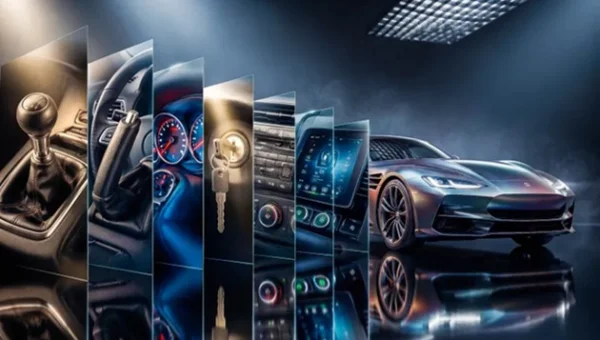
Key, Gauges, and Mirrors: Familiar Car Details That May Vanish from Your Next Vehicle
Modern cars are rapidly going digital, and traditional features drivers have used for decades are gradually disappearing. Analog instrument clusters are being replaced by screens, start buttons are giving way…
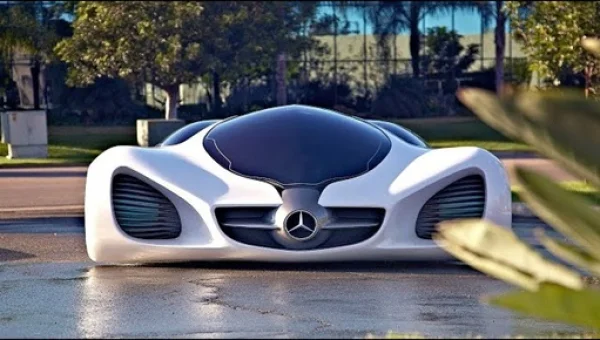
Batteries, Fuel Cells, or Hydrogen Combustion? 3 Technologies Racing for the Future of Cars
Three technologies are competing for the future of automobiles: battery electric vehicles, hydrogen fuel cells, and hydrogen combustion engines. Global EV sales surpassed 20 million units in 2025, roughly a…
Best Engine Oils for Your Car in Summer
As summer temperatures rise, choosing the right engine oil becomes critical to protect your car's engine. Experts recommend full synthetic multi-grade oils like 5W-30 or 10W-40. Trusted brands such as…

Over 1 Billion Connected Cars by 2035 — Can Mobile Networks Keep Up?
Omdia Research projects that connected cars using cellular networks will exceed 1.05 billion by 2035, up from 473.7 million in 2025. The study warns that 4G shutdowns expected from 2030…
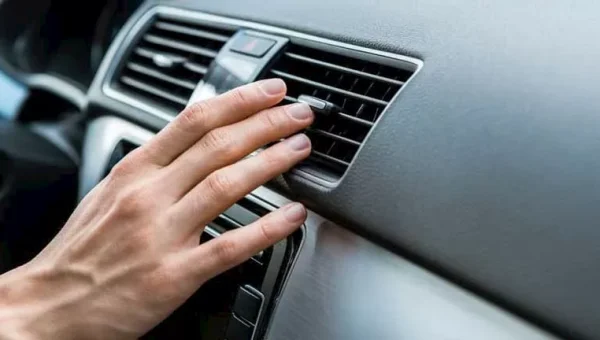
Don't Turn Off Your Car's AC This Winter — Experts Explain Why
Germany's TÜV NORD inspection authority recommends running your car's air conditioning at least once a week for 10 minutes, even in cold weather. Regular operation keeps compressor oil and seals…