Egypt's Railways Enter Electronic Control Era: 17 Signal Towers and 59 Upgraded Crossings
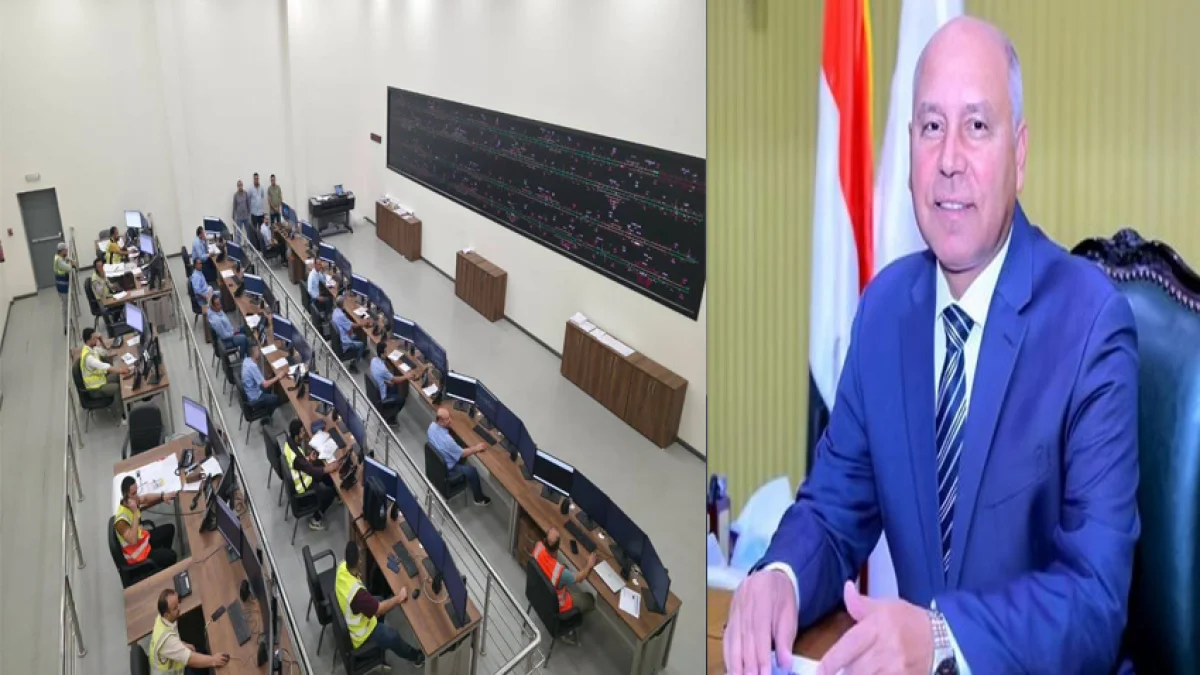
Egypt's railway network is entering a new phase of modernization. The Ministry of Transport has announced the activation of the Central Traffic Control (CTC) building in Sohag governorate. That will now manage train operations along the Assiout–Naga Hammadi line, stretching 181 kilometers. This step is part of a national plan to enhance safety and efficiency through state-of-the-art electronic signaling systems.
The Final Phase of a Major Project
Minister of Transport, Lieutenant General Kamel El-Wazir, confirmed that the operation of the Sohag central control center marks the final phase of the signaling modernization project on the Assiout–Naga Hammadi route, executed by Hitachi. The project encompasses the upgrading of the entire sector from Beni Suef through Minya, Assiout, and Sohag to Naga Hammadi, covering a total length of 431 kilometers — a radical shift in how the network manages train movements in Upper Egypt.
The numbers tell the story. The new center enables centralized control over train operations along the entire line, according to the minister, which boosts safety levels, improves operational efficiency, and increases capacity while cutting travel times.
Modern Operating Systems
The line now operates entirely under the modern Electronic Interlocking System (EIS), featuring 17 main signal towers, three secondary towers, and 59 upgraded level crossings. Centralized Traffic Control (CTC) now covers the full span of the line, giving operators real-time visibility of train movements across the entire corridor.
But the work doesn't stop here. The Ministry of Transport continues its signaling modernization push on other Upper Egypt lines, with ongoing upgrades on the Cairo–Giza–Beni Suef line (125 km) and the Naga Hammadi–Luxor line (118 km). Plans are also underway to tender the development of signaling systems for the Luxor–High Dam line, extending 224 kilometers.
This strategy places Egypt's railways firmly on the path toward global standards. Modern operating systems translate into safer trains and more precise schedules — directly improving the experience of thousands of daily passengers in Upper Egypt.
Related News
View All News
Key, Gauges, and Mirrors: Familiar Car Details That May Vanish from Your Next Vehicle
Modern cars are rapidly going digital, and traditional features drivers have used for decades are gradually disappearing. Analog instrument clusters are being replaced by screens, start buttons are giving way…

Batteries, Fuel Cells, or Hydrogen Combustion? 3 Technologies Racing for the Future of Cars
Three technologies are competing for the future of automobiles: battery electric vehicles, hydrogen fuel cells, and hydrogen combustion engines. Global EV sales surpassed 20 million units in 2025, roughly a…
Best Engine Oils for Your Car in Summer
As summer temperatures rise, choosing the right engine oil becomes critical to protect your car's engine. Experts recommend full synthetic multi-grade oils like 5W-30 or 10W-40. Trusted brands such as…
Over 1 Billion Connected Cars by 2035 — Can Mobile Networks Keep Up?
Omdia Research projects that connected cars using cellular networks will exceed 1.05 billion by 2035, up from 473.7 million in 2025. The study warns that 4G shutdowns expected from 2030…
Don't Turn Off Your Car's AC This Winter — Experts Explain Why
Germany's TÜV NORD inspection authority recommends running your car's air conditioning at least once a week for 10 minutes, even in cold weather. Regular operation keeps compressor oil and seals…