Transport Minister: Egypt's High-Speed Electric Train Project Boosts Regional Logistics Hub Ambitions
A massive project is reshaping Egypt's transport map. Transport Minister Kamel El-Wazir confirmed that the high-speed electric train network marks a true qualitative leap for the sector, noting that the first line links the Red and Mediterranean seas, strengthening the nation's position as a regional hub for transportation, logistics, and trade.
Line One and the Official Visit
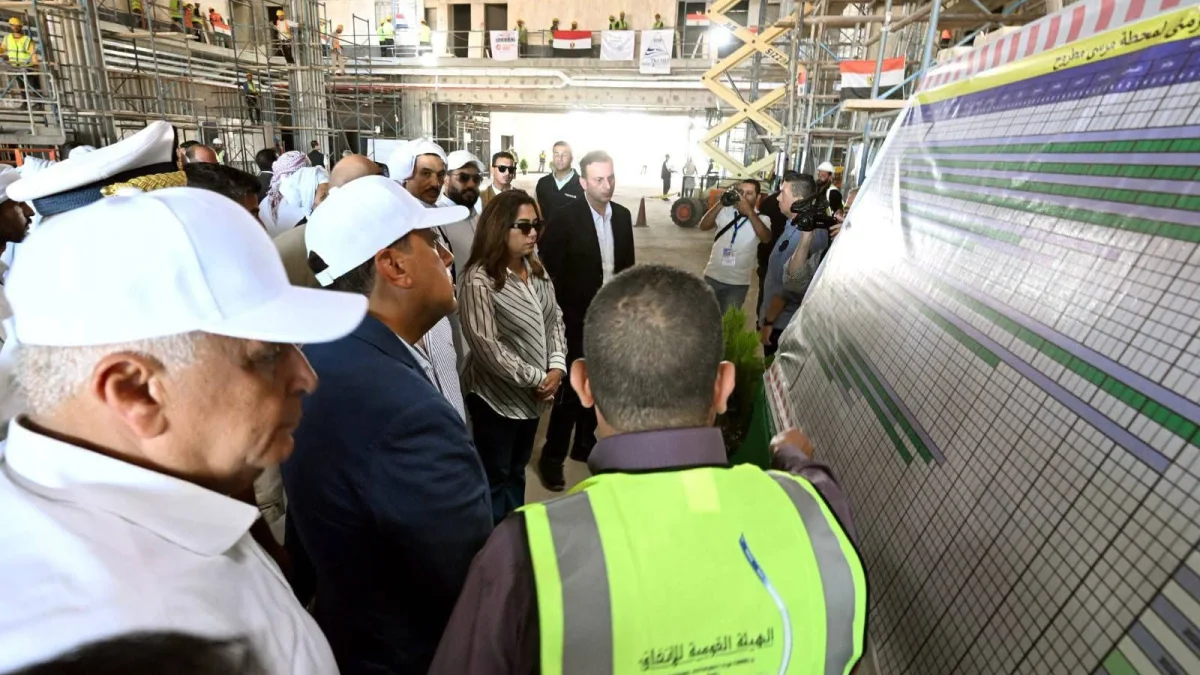
The statements came during a visit by Prime Minister Mostafa Madbouly to Matrouh Governorate to inspect the station, accompanied by Eng. Ibrahim Bakheet and senior ministry officials. The first line, running from Sokhna to Alexandria, El-Alamein. Matrouh, spans 660 kilometers and serves as a key component of the Sokhna-Dekheila logistic corridor connecting industrial, urban, and tourism zones.
Environmental and Economic Impact
The train delivers safe, fast, and sustainable mass transit. The minister emphasized its environmental benefits, including reduced fuel consumption and lower carbon emissions, aligning with Egypt's green transition goals under Vision 2030. Beyond environmental gains, the project boosts industrial development, improves supply chain efficiency, attracts investments, and creates job opportunities. The regional competition is intensifying, and Egypt is moving decisively to secure its place.
Matrouh Station Specifications
The station spans a total area of 367,000 square meters, with the building and platforms covering around 30,000 square meters. Commercial considerations shaped the design, featuring 46 commercial and investment zones split between cafés, retail shops, and hotel-related areas. Parking facilities accommodate 896 private cars, 52 buses, and 20 accessible vehicles for people with disabilities.
The station comprises three main levels, 21 technical rooms. Four platforms serving three tracks with six railway lines. Each platform extends 420 meters to handle various train types efficiently. A southern yard supports freight exchange operations, opening wider horizons for cargo traffic. The figures speak for themselves, and the project is moving steadily toward completion.
Related News
View All News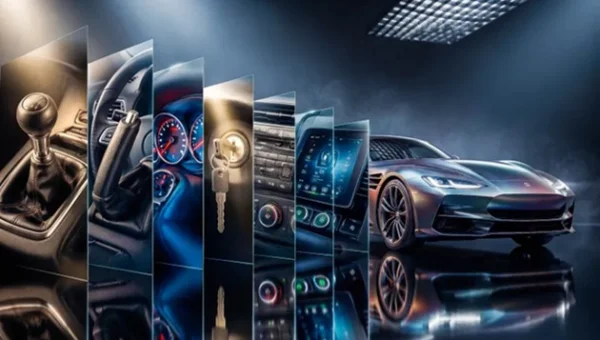
Key, Gauges, and Mirrors: Familiar Car Details That May Vanish from Your Next Vehicle
Modern cars are rapidly going digital, and traditional features drivers have used for decades are gradually disappearing. Analog instrument clusters are being replaced by screens, start buttons are giving way…
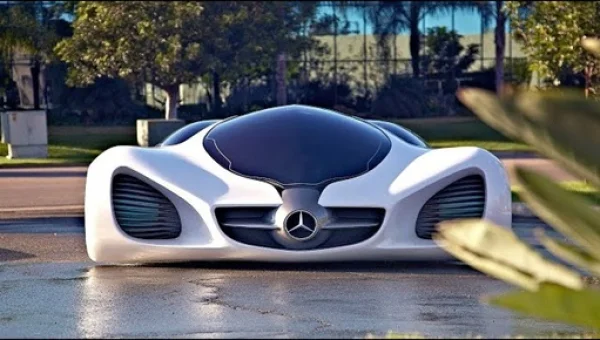
Batteries, Fuel Cells, or Hydrogen Combustion? 3 Technologies Racing for the Future of Cars
Three technologies are competing for the future of automobiles: battery electric vehicles, hydrogen fuel cells, and hydrogen combustion engines. Global EV sales surpassed 20 million units in 2025, roughly a…
Best Engine Oils for Your Car in Summer
As summer temperatures rise, choosing the right engine oil becomes critical to protect your car's engine. Experts recommend full synthetic multi-grade oils like 5W-30 or 10W-40. Trusted brands such as…
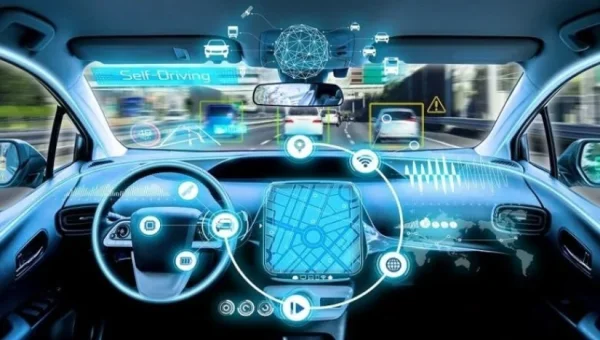
Over 1 Billion Connected Cars by 2035 — Can Mobile Networks Keep Up?
Omdia Research projects that connected cars using cellular networks will exceed 1.05 billion by 2035, up from 473.7 million in 2025. The study warns that 4G shutdowns expected from 2030…

Don't Turn Off Your Car's AC This Winter — Experts Explain Why
Germany's TÜV NORD inspection authority recommends running your car's air conditioning at least once a week for 10 minutes, even in cold weather. Regular operation keeps compressor oil and seals…