What Causes Weak Engine Torque When Pressing the Accelerator and How to Fix It
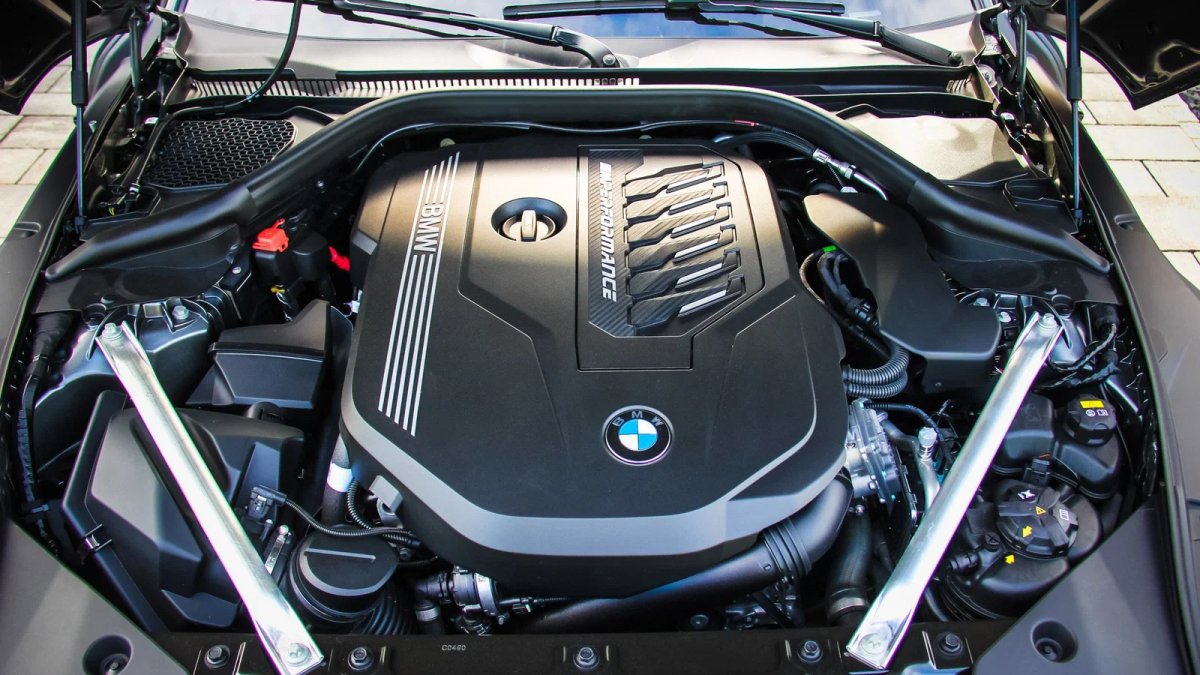
Drivers may occasionally notice a decline in vehicle performance, particularly when pressing the accelerator pedal. In many cases, this is linked to weak engine torque. Torque is the force generated by the engine to move the vehicle from a standstill and support acceleration. Higher torque levels improve throttle response, especially when climbing hills and bridges or overtaking other vehicles.
When torque output drops, it indicates that the engine is not transferring power efficiently to the wheels. This can result in slower acceleration and increased fuel consumption, making it important to inspect the vehicle and identify the underlying cause.
Main Causes of Weak Engine Torque
One of the most common causes is a clogged air filter or fuel filter. Restricted airflow or insufficient fuel supply can weaken the combustion process and reduce overall engine performance.
Damaged spark plugs can also lead to incomplete combustion, resulting in a noticeable loss of engine power and torque.
Another potential issue is a malfunctioning TPS sensor or MAF sensor. Incorrect data sent to the engine control unit can affect fuel injection timing and reduce performance efficiency.
A blocked exhaust system caused by carbon buildup may also prevent exhaust gases from exiting properly, effectively choking the engine and reducing torque output.
In addition, a weak fuel pump or low engine compression can limit the amount of fuel reaching the engine, leading to reduced performance and slower acceleration.
Symptoms of Weak Vehicle Torque
Common signs of weak torque include poor acceleration, delayed throttle response, and engine hesitation or vibrations while driving.
Drivers may also experience increased fuel consumption and notice black or white smoke coming from the exhaust, both of which can indicate the need for inspection and maintenance.
How to Fix Weak Engine Torque
Regular maintenance is the most effective way to address this issue. This includes cleaning or replacing the air filter every 10,000 kilometers and inspecting or replacing worn spark plugs when necessary.
Using high-quality fuel system cleaners can help remove injector deposits, while electronic sensors should be checked to ensure proper operation. It is also important to verify that the exhaust system is free from blockages that could negatively affect engine performance and torque delivery.
Related News
View All News
Key, Gauges, and Mirrors: Familiar Car Details That May Vanish from Your Next Vehicle
Modern cars are rapidly going digital, and traditional features drivers have used for decades are gradually disappearing. Analog instrument clusters are being replaced by screens, start buttons are giving way…

Batteries, Fuel Cells, or Hydrogen Combustion? 3 Technologies Racing for the Future of Cars
Three technologies are competing for the future of automobiles: battery electric vehicles, hydrogen fuel cells, and hydrogen combustion engines. Global EV sales surpassed 20 million units in 2025, roughly a…
Best Engine Oils for Your Car in Summer
As summer temperatures rise, choosing the right engine oil becomes critical to protect your car's engine. Experts recommend full synthetic multi-grade oils like 5W-30 or 10W-40. Trusted brands such as…

Over 1 Billion Connected Cars by 2035 — Can Mobile Networks Keep Up?
Omdia Research projects that connected cars using cellular networks will exceed 1.05 billion by 2035, up from 473.7 million in 2025. The study warns that 4G shutdowns expected from 2030…
Don't Turn Off Your Car's AC This Winter — Experts Explain Why
Germany's TÜV NORD inspection authority recommends running your car's air conditioning at least once a week for 10 minutes, even in cold weather. Regular operation keeps compressor oil and seals…