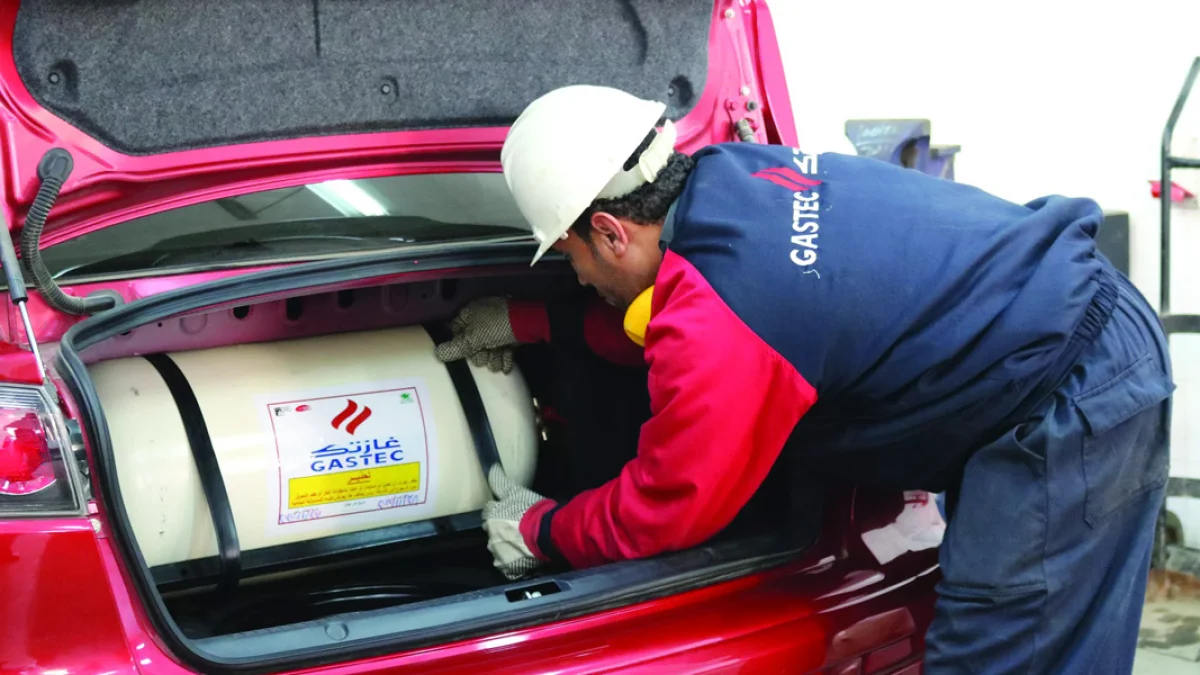
Converting Your Car to Natural Gas: Does Torque Really Drop?
Switching a car to natural gas always raises one big question: does the engine lose its torque? The technical inspections performed before the conversion settle the matter, according to experts in operation and maintenance in this field. Modern conversion system components can narrow any performance gap to extremely tight limits.
Technical Inspection Before Conversion
Before any procedure begins, the car undergoes precise tests to confirm its full readiness for this step. Engine efficiency must exceed 70% as a basic condition. Anything less may prompt advice against conversion entirely. This inspection ensures the conversion won't noticeably weaken performance.
The check also covers the combustion chamber and ignition system. Technicians examine every detail — from spark plugs to oxygen sensors — to guarantee optimal operation on gas after conversion. The difference between a ready car and one with noted defects is enormous in the final outcome.
The Drop Doesn't Exceed 6%
The numbers are reassuring for performance enthusiasts. Running the engine on natural gas may be accompanied by a limited drop in acceleration capability, due to the different nature of gas entering the combustion chamber compared to liquid fuel. But this decline doesn't exceed 6% under the harshest operating conditions.
The figure is small and may go unnoticed by the average driver in daily use. But why does the difference occur in the first place? Gas enters in a gaseous state with different density than liquid gasoline, slightly altering combustion chamber filling efficiency. The solution exists within the conversion system itself.
Spark Advance Device Compensates the Gap
To compensate for the limited performance difference, the conversion system includes installing a specialized device to adjust and advance ignition timing when running on natural gas. This equipment improves ignition timing to suit the nature of the fuel being used.
The final result? More efficient combustion inside the engine chamber, and maintaining the best possible performance after conversion. Experts say the theoretical paper difference doesn't actually show up on the road, especially with proper system calibration. Drivers may notice a very slight difference under hard acceleration, but it hardly qualifies as a real problem.
Related News
View All News
Key, Gauges, and Mirrors: Familiar Car Details That May Vanish from Your Next Vehicle
Modern cars are rapidly going digital, and traditional features drivers have used for decades are gradually disappearing. Analog instrument clusters are being replaced by screens, start buttons are giving way…

Batteries, Fuel Cells, or Hydrogen Combustion? 3 Technologies Racing for the Future of Cars
Three technologies are competing for the future of automobiles: battery electric vehicles, hydrogen fuel cells, and hydrogen combustion engines. Global EV sales surpassed 20 million units in 2025, roughly a…
Best Engine Oils for Your Car in Summer
As summer temperatures rise, choosing the right engine oil becomes critical to protect your car's engine. Experts recommend full synthetic multi-grade oils like 5W-30 or 10W-40. Trusted brands such as…

Over 1 Billion Connected Cars by 2035 — Can Mobile Networks Keep Up?
Omdia Research projects that connected cars using cellular networks will exceed 1.05 billion by 2035, up from 473.7 million in 2025. The study warns that 4G shutdowns expected from 2030…
Don't Turn Off Your Car's AC This Winter — Experts Explain Why
Germany's TÜV NORD inspection authority recommends running your car's air conditioning at least once a week for 10 minutes, even in cold weather. Regular operation keeps compressor oil and seals…