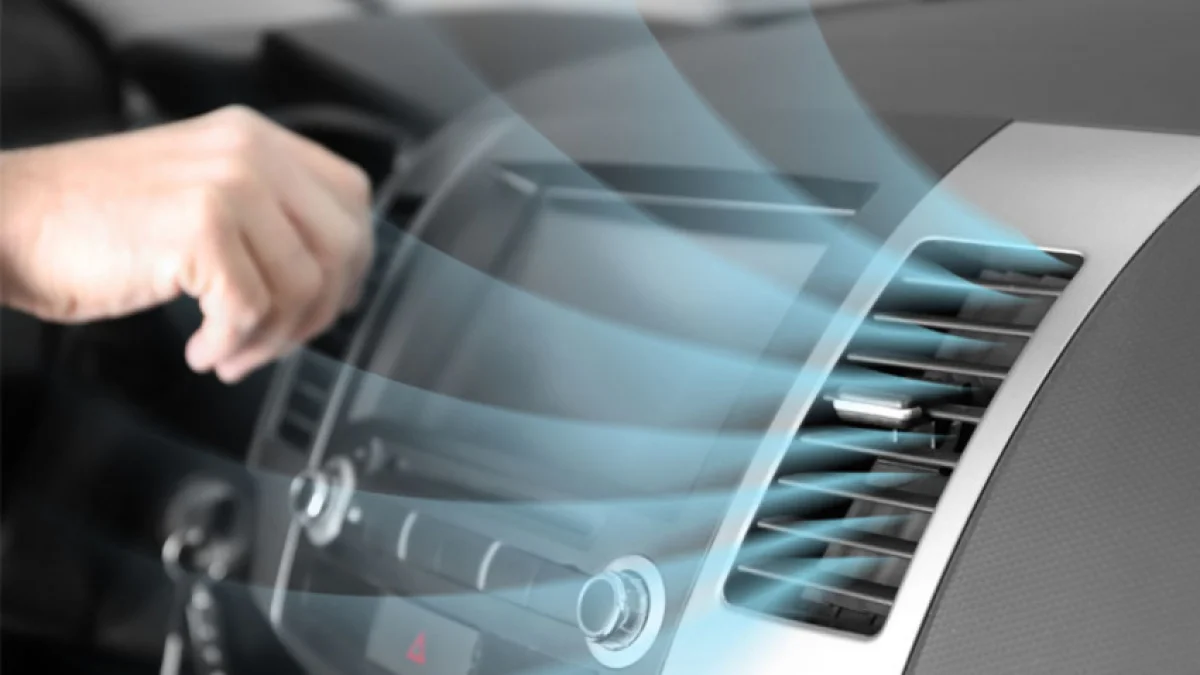
6 Mistakes That Can Ruin Your Car AC Before Summer Ends
This report highlights six common driver mistakes that can damage a car's air conditioning system during the summer. These include turning on the AC right after entering a hot car, neglecting the cabin air filter and condenser, and running the system with low refrigerant without checking for leaks. The article provides practical maintenance and prevention tips to ensure optimal AC performance throughout the season.
As temperatures soar, your car's air conditioning system works longer and under greater stress. A simple mistake or minor neglect can reduce its efficiency or trigger costly breakdowns at the worst possible moment. The problem is that many common errors don't seem serious at first, but they put extra strain on the compressor and disrupt the cooling cycle.
Turning on the AC Immediately After Entering a Hot Car
After your car sits under the scorching sun, cabin temperatures can reach extreme levels. Switching the AC to maximum power right away forces it to battle a massive heat load. A better approach is opening the doors or windows for a few minutes to expel the hottest air. Then start the AC with windows closed, allowing the system to cool the cabin faster with less effort.
Ignoring the Cabin Air Filter
The cabin air filter is one of the most neglected components. A clogged filter restricts airflow through the vents. Reduced airflow makes drivers think the AC is weaker, so they crank up the fan speed. The real fix is inspecting the filter and cleaning or replacing it based on the vehicle's condition and manufacturer recommendations.
Running the AC with Low Refrigerant
Weak cooling doesn't necessarily mean the system just needs 'recharging'. Refrigerant loss is often caused by a leak somewhere in the system. Adding refrigerant without identifying the cause provides only a temporary solution. Running the system with incorrect refrigerant levels leads to poor performance and increased component pressure. When the car AC noticeably loses efficiency, inspecting the cooling cycle for leaks before recharging is essential.
Neglecting Condenser Cleanliness
The condenser sits at the front of the vehicle, constantly exposed to dust, insects, and debris. Accumulated grime between its fins reduces heat dissipation capability. This forces the system to work harder and longer to reach the desired temperature. Careful cleaning during maintenance is critical, as high water pressure or sharp tools can bend the delicate fins and restrict airflow instead of improving it.
Other Common Mistakes That Kill AC Performance
Using the fresh air mode in heavy traffic pulls hot, polluted air from outside. Running the system in dry mode doesn't cool the cabin effectively. Setting the temperature to its lowest setting constantly overworks the system. Recirculation mode should be used for faster cooling. Turning off the AC a few minutes before reaching your destination helps dry the system and prevents bacteria growth and unpleasant odors.
How to Protect Your Car's AC System
Regular maintenance is the ultimate safeguard against sudden breakdowns. Checking refrigerant levels, filter condition, and condenser cleanliness preserves system longevity. A professional inspection at least once a year provides peace of mind. These straightforward measures prevent expensive future repairs and ensure comfort during the hottest months of the year.
Frequently Asked Questions
3 questions answered
Related News
View All News
How a New Car Is Born: The Journey from Digital Sketches to the Production Line
Every new car undergoes a three-to-five-year development journey starting with segment definition and 3D digital design concepts. Engineers specify structural, powertrain, suspension, steering, and braking solutions during this phase. Prototypes…
Before Replacing Your Car Battery: What Do CCA, CA, RC, and Ah Mean?
Choosing a car battery isn't just about size or price. It requires understanding the codes on the label, such as CCA, CA, RC, and Ah. CCA measures the battery's ability…

Peugeot Unveils RCZ Vision Concept with Square Steering Wheel
Peugeot has unveiled the RCZ Vision concept car featuring the Hypersquare® steering system with a square wheel and Steer-by-Wire technology. The system eliminates mechanical linkages and offers a maximum steering…

Betty Deploys Hydrogen Injection Tech in 104 Vehicles to Cut Emissions by 20%
Betty, a subsidiary of Almarai, has begun deploying hydrogen injection technology across 104 vehicles in its distribution fleet to reduce emissions by up to 20%. The project is in partnership…
Porsche Explores Manual Feel in EV Era: Patent Reveals Real Gearbox with Electric Motor
Porsche has filed a patent for a mechanical gearbox designed for electric motors, featuring two mechanical gear ratios and a real clutch. The original filing dates back to March 2013,…