Backup Cameras: Real Safety or a Dangerous Illusion?
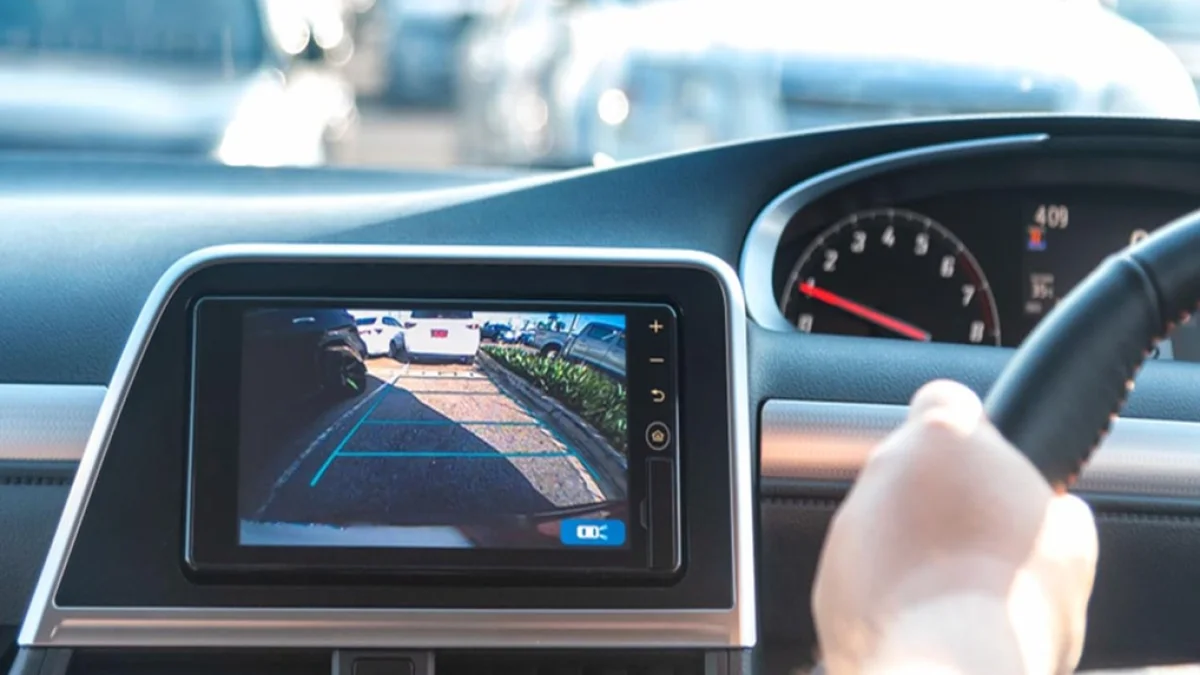
The backup camera has evolved in just a few years from a luxury add-on to a standard feature in numerous new models. Some drivers now rely almost entirely on its screen when leaving parking spots or maneuvering in tight spaces, a habit that raises legitimate questions about the technology's limits.
What Does the Camera Really Offer?
The benefits are clear. It reveals the area behind the vehicle that mirrors often miss, helping spot children, low objects, and curbs while simplifying distance judgment relative to neighboring cars. But does adding a camera make reversing completely safe?
Research indicates the technology does reduce accident likelihood, yet it certainly doesn't eliminate it. Over-reliance can become a new hazard, especially if the camera lulls drivers into a false sense of security.
What Do the Numbers Reveal?
A study by the Insurance Institute for Highway Safety in the United States found that rearview cameras cut backing accident rates by about 17 percent. The benefit was relatively greater among drivers aged 70 and older.
Another study based on police-reported crashes showed that vehicles with backup cameras recorded a decline of roughly 16 percent in this type of collision. These figures confirm the camera is no mere comfort gadget or marketing gimmick, yet they also reveal that most accidents don't vanish simply because a screen displays what's behind the car.
The Camera Shrinks the Blind Zone
The camera's importance grows significantly in SUVs, trucks, and models with small rear windows, where the space near the rear bumper is hard to see. Research has shown that backup cameras, alone or with parking sensors, can reduce the hidden viewing area behind the vehicle by an average of about 90 percent.
The wide-angle lens helps reveal a small child, an animal, or a low object that might disappear entirely below the rear glass and mirror line. Yet this wide field of view can distort distances, making objects appear farther or closer than they really are. That's why guideline overlays and driver judgment remain essential during maneuvering.
Why Don't They Prevent All Accidents?
The first problem is that the camera shows what's behind the car, but it doesn't guarantee the driver is looking at the screen at the right moment. A driver might start reversing before the image fully loads, or get distracted by the radio or phone. The blind spot can persist partially, especially with objects extremely close to the bumper.
The bottom line: a backup camera is a smart assistive tool, not a substitute for checking mirrors and turning around. Balancing technology use with fundamental driving skills is what truly delivers safety on the road.
Related News
View All News
Key, Gauges, and Mirrors: Familiar Car Details That May Vanish from Your Next Vehicle
Modern cars are rapidly going digital, and traditional features drivers have used for decades are gradually disappearing. Analog instrument clusters are being replaced by screens, start buttons are giving way…
Batteries, Fuel Cells, or Hydrogen Combustion? 3 Technologies Racing for the Future of Cars
Three technologies are competing for the future of automobiles: battery electric vehicles, hydrogen fuel cells, and hydrogen combustion engines. Global EV sales surpassed 20 million units in 2025, roughly a…
Best Engine Oils for Your Car in Summer
As summer temperatures rise, choosing the right engine oil becomes critical to protect your car's engine. Experts recommend full synthetic multi-grade oils like 5W-30 or 10W-40. Trusted brands such as…

Over 1 Billion Connected Cars by 2035 — Can Mobile Networks Keep Up?
Omdia Research projects that connected cars using cellular networks will exceed 1.05 billion by 2035, up from 473.7 million in 2025. The study warns that 4G shutdowns expected from 2030…
Don't Turn Off Your Car's AC This Winter — Experts Explain Why
Germany's TÜV NORD inspection authority recommends running your car's air conditioning at least once a week for 10 minutes, even in cold weather. Regular operation keeps compressor oil and seals…