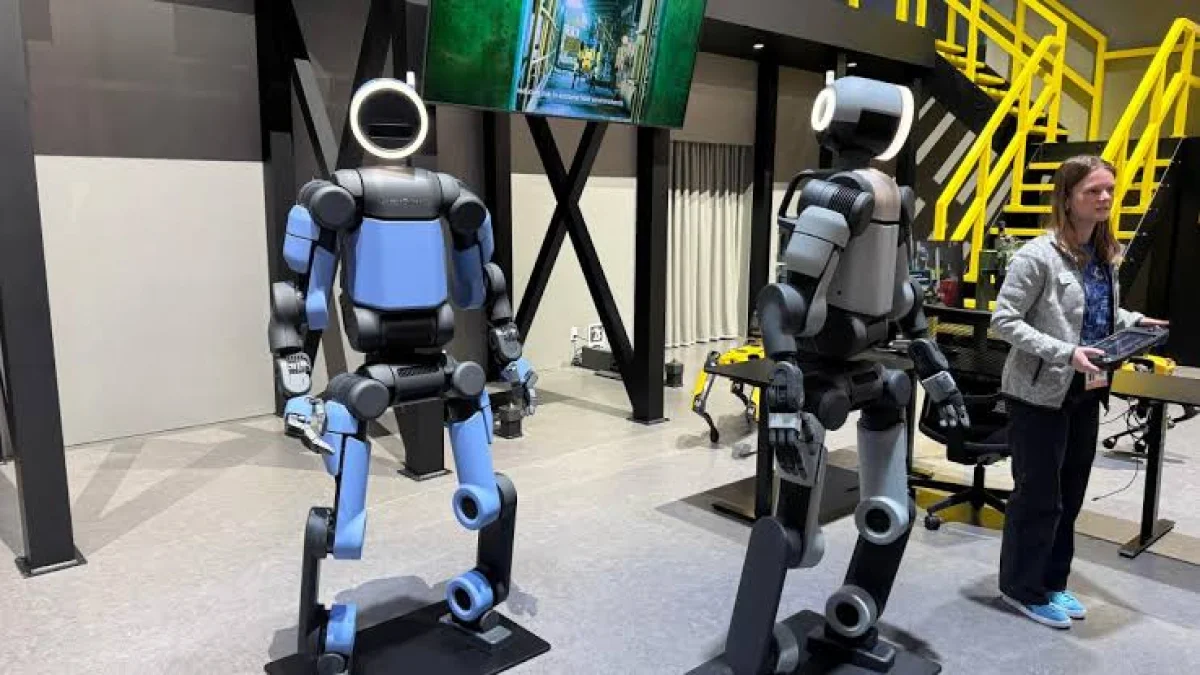
Atlas Robot Sparks Worker Outrage as Humanoid Automation Shakes Hyundai Factories
The humanoid robot Atlas has transformed from an ambitious technological project that Hyundai is betting on to develop the factories of the future, into a focal point of genuine labor confrontation in South Korea. Recently, company workers carried out partial strikes amid growing fears about the direct impact of automation and artificial intelligence on job stability within the automotive manufacturing sector. These developments occur at a time when the global industry is witnessing intense debates regarding the balance between technological innovation and preserving the acquired rights of workers in major manufacturing plants.
The Hyundai industrial complex in the city of Ulsan, which is considered one of the largest car production sites in the world, experienced partial work stoppages. This move is described as one of the first labor disputes within the industry directly linked to concerns about deploying humanoid robots on main production lines. This stance reflects the escalating tension between factory management seeking to increase production efficiency and reduce long-term operational costs, and workers who fear these advanced technologies will permanently displace them from the local labor market.
Union Fears of an Imminent Job Shock
The labor union fears that expanding reliance on these technologies in Hyundai factories will reduce the number of employees and cause what it described as a real job shock. The union emphasized that introducing any humanoid robot into Korean factories must not occur before reaching a clear agreement with worker representatives regarding employment guarantees. Furthermore, worker demands include wage increases, raising the retirement age, and enhancing job security amid the rapid transformations witnessed in the manufacturing sector due to artificial intelligence and automation, placing additional pressure on collective bargaining negotiations and threatening the stability of the production chain.
In response, Hyundai clarified that its plan regarding the use of humanoid robots is not officially part of the ongoing wage negotiations, noting that it has not set a date for deploying Atlas within its factories in South Korea. However, the company is preparing to introduce this robot to its Metaplant facility in Georgia, USA, by 2028, as part of its strategic plan to expand the use of artificial intelligence and robotics in modern manufacturing operations outside the domestic market, reflecting a global shift toward smart factories.
Technological Evolution and Controversial Economic Costs
Boston Dynamics, owned by Hyundai, developed the new generation of Atlas to perform industrial tasks requiring movement, lifting components, and handling work environments originally designed for humans. Circulating estimates suggest that the cost of a single robot could reach around 130,000 dollars, with the possibility of recouping this cost within a relatively short period if used intensively in factories. This reality increases union fears that the economic viability of robots will become a strong incentive to replace the human workforce, especially amid fierce competition to reduce manufacturing costs.
This dispute arises at a time when global automotive companies are racing to test humanoid robots within their facilities. For instance, Tesla is actively developing its Optimus robot, while other manufacturers, including Hyundai, are testing similar solutions to keep pace with the upcoming smart manufacturing revolution. These developments highlight the urgent need for new regulatory frameworks that balance driving technological innovation in the automotive industry with protecting workers rights in an era of accelerated automation, ensuring a sustainable future for the sector.
Related News
View All News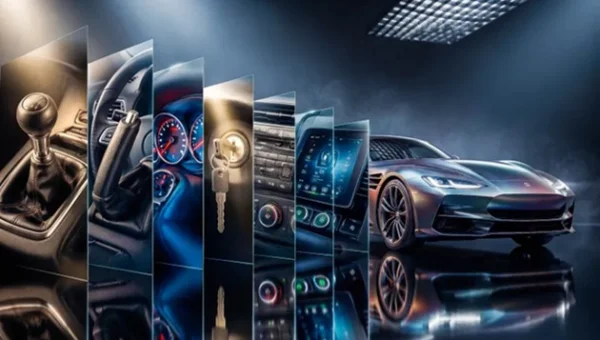
Key, Gauges, and Mirrors: Familiar Car Details That May Vanish from Your Next Vehicle
Modern cars are rapidly going digital, and traditional features drivers have used for decades are gradually disappearing. Analog instrument clusters are being replaced by screens, start buttons are giving way…
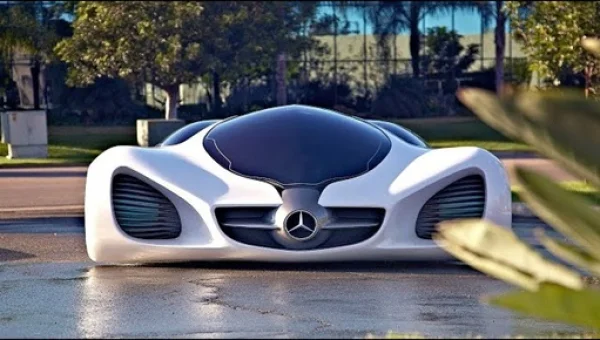
Batteries, Fuel Cells, or Hydrogen Combustion? 3 Technologies Racing for the Future of Cars
Three technologies are competing for the future of automobiles: battery electric vehicles, hydrogen fuel cells, and hydrogen combustion engines. Global EV sales surpassed 20 million units in 2025, roughly a…
Best Engine Oils for Your Car in Summer
As summer temperatures rise, choosing the right engine oil becomes critical to protect your car's engine. Experts recommend full synthetic multi-grade oils like 5W-30 or 10W-40. Trusted brands such as…
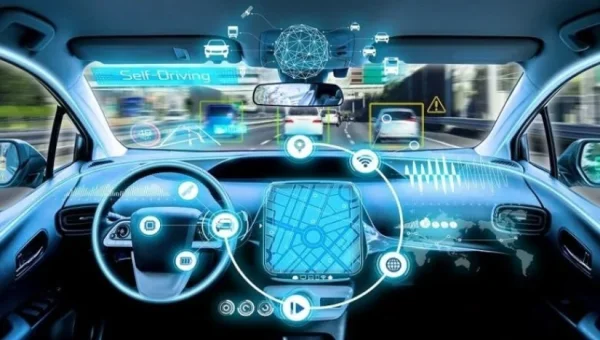
Over 1 Billion Connected Cars by 2035 — Can Mobile Networks Keep Up?
Omdia Research projects that connected cars using cellular networks will exceed 1.05 billion by 2035, up from 473.7 million in 2025. The study warns that 4G shutdowns expected from 2030…

Don't Turn Off Your Car's AC This Winter — Experts Explain Why
Germany's TÜV NORD inspection authority recommends running your car's air conditioning at least once a week for 10 minutes, even in cold weather. Regular operation keeps compressor oil and seals…