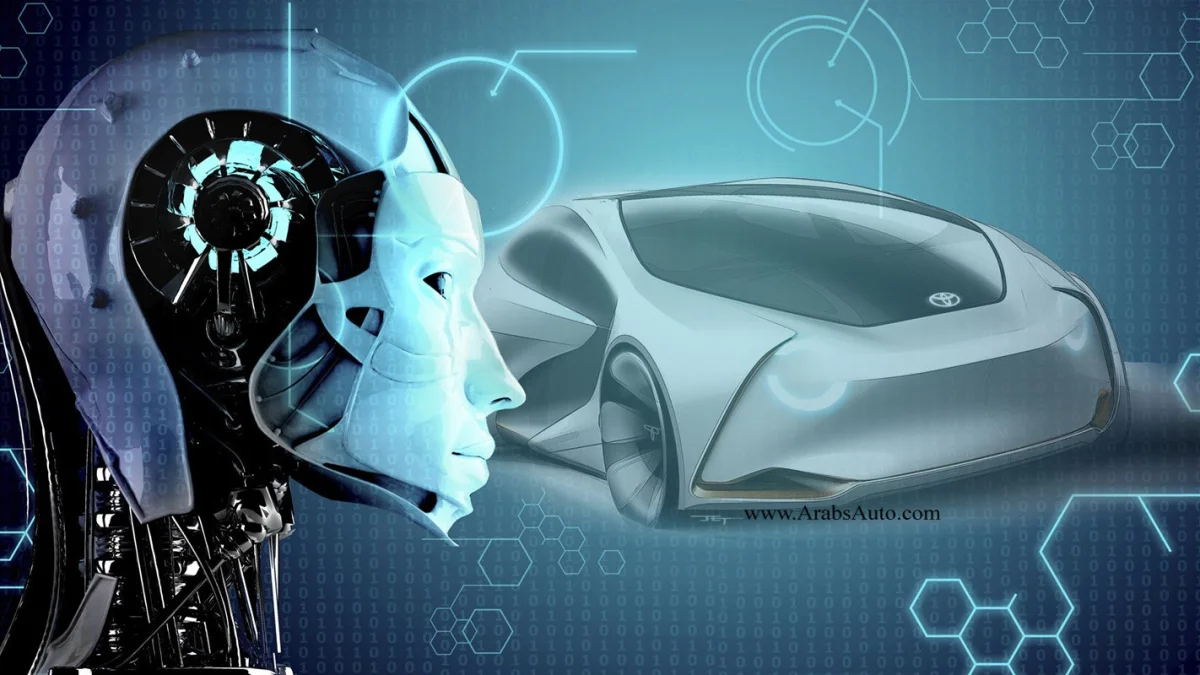
How Is AI Rewriting the Used Car Market Rules?
The market is shifting. For decades, knowing the real price of a used car was a secret held only by dealers, built on auction experience, connections, and gut instinct — but that balance is collapsing. According to a recent report from a specialized vehicle valuation platform, the global used car market has transformed into an industry valued at approximately $1.26 trillion by 2026, with machine learning models now capable of predicting market value with up to 97% accuracy in certain segments. The information gap that historically favored the dealer is shrinking fast.
How Algorithms Read a Car
Modern systems no longer stop at age, model, and mileage. A tech platform reports that algorithms now analyze far subtler factors: interest rate fluctuations, seasonal dealer incentives, and even demand patterns following new EV launches. The game changer? Electric vehicles are now valued based on battery health data and software update histories rather than a traditional expert's visual inspection alone.
The numbers are striking. Data from a statistical website shows modern valuation tools rely on over 15 additional data factors — including local climate conditions — boosting assessment accuracy by 18%. These systems can now predict supply shortages for specific models a full six months before they occur. That is a fundamental shift.
The Dealer's New Reality
The irony is that this technology hasn't eliminated the traditional dealer — it has redefined their role. According to the same statistics, AI-powered pricing tools have increased dealer profit margins by 12% through better competitive positioning, while narrowing the gap between seller and buyer expectations by 22% in highly competitive markets. Smart dealers no longer fight the technology — they weaponize it.
Modern platform solutions now offer dealers live price predictions for over 1,000 vehicle segments covering the next sixty days, replacing conventional auction indexes that only track past performance without forecasting future trends. The transformation is profound.
Can You Trust the Algorithm?
Despite the impressive accuracy claims, industry reports warn against blind trust in app-generated numbers. An automotive consulting specialist notes that valuation tools can issue excellent condition ratings that don't reflect actual market value, especially under non-standard market conditions. Technology is a powerful tool — but not yet a complete replacement for experienced judgment.
Related News
View All News
Key, Gauges, and Mirrors: Familiar Car Details That May Vanish from Your Next Vehicle
Modern cars are rapidly going digital, and traditional features drivers have used for decades are gradually disappearing. Analog instrument clusters are being replaced by screens, start buttons are giving way…

Batteries, Fuel Cells, or Hydrogen Combustion? 3 Technologies Racing for the Future of Cars
Three technologies are competing for the future of automobiles: battery electric vehicles, hydrogen fuel cells, and hydrogen combustion engines. Global EV sales surpassed 20 million units in 2025, roughly a…
Best Engine Oils for Your Car in Summer
As summer temperatures rise, choosing the right engine oil becomes critical to protect your car's engine. Experts recommend full synthetic multi-grade oils like 5W-30 or 10W-40. Trusted brands such as…
Over 1 Billion Connected Cars by 2035 — Can Mobile Networks Keep Up?
Omdia Research projects that connected cars using cellular networks will exceed 1.05 billion by 2035, up from 473.7 million in 2025. The study warns that 4G shutdowns expected from 2030…

Don't Turn Off Your Car's AC This Winter — Experts Explain Why
Germany's TÜV NORD inspection authority recommends running your car's air conditioning at least once a week for 10 minutes, even in cold weather. Regular operation keeps compressor oil and seals…