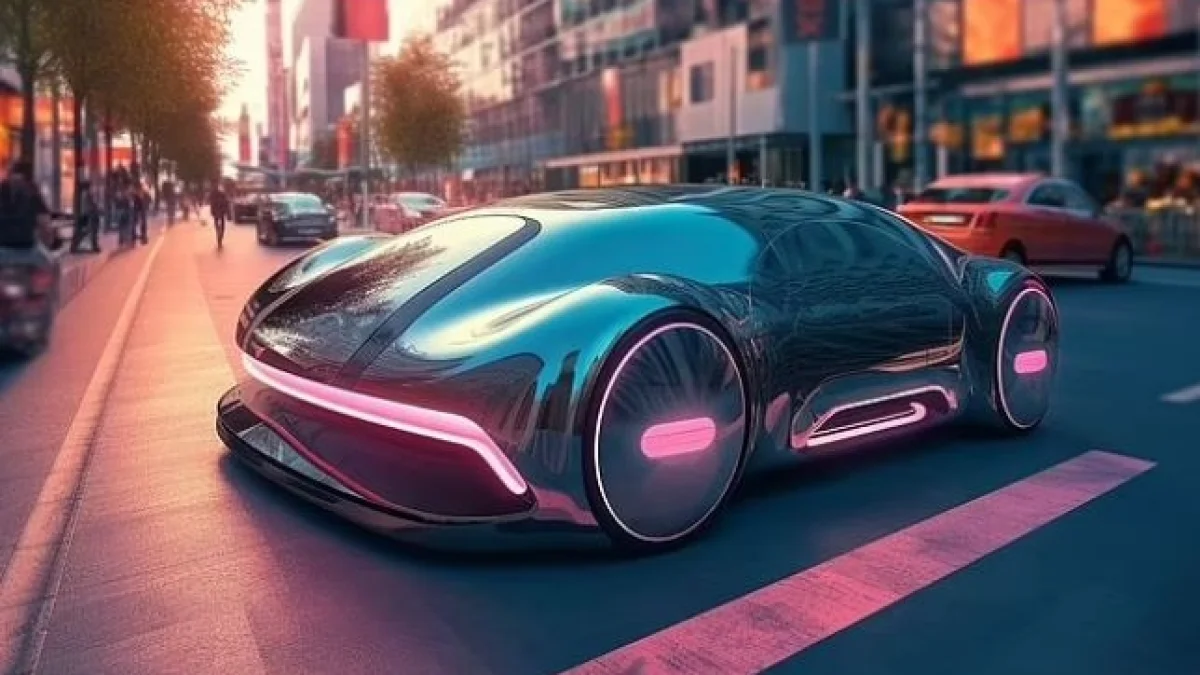
AI in Cars: How It's Reshaping the Future of Driving
Artificial intelligence has become an integral part of the modern driving experience, even if drivers don't always notice it. Smart systems are silently controlling countless details inside and outside the cabin. Behind the tech curtain, complex algorithms process enormous data sets in milliseconds to keep occupants safe.
Safety Systems That Act Before a Crash
Advanced driver-assistance features powered by AI now include automatic emergency braking, blind-spot monitoring, lane-departure warnings, traffic sign recognition, and rear cross-traffic alerts. These systems have moved beyond luxury cars and are now spreading across mid-priced models thanks to falling sensor costs. Adaptive cruise control maintains a safe distance from the vehicle ahead, adjusting speed automatically with traffic flow. The evolution of these technologies signals a major shift in automotive safety.
How Cars Perceive the World Around Them
The journey of intelligent perception begins with a suite of cameras, radars. Sensors building a continuous picture of the surroundings. Systems can identify other vehicles, pedestrians, bicycles, lane markings, traffic signs. Even stationary obstacles on the road. Algorithms go beyond mere object detection, analyzing the type, direction, and speed of movement, then estimating the likelihood of it entering the vehicle's path in the next few seconds. Based on that analysis, the car can warn the driver, slow down, brake automatically, or make subtle steering corrections to prevent leaving the lane.
Performance improves with better sensors, software. Mapping data, but heavy rain, fog, dust, faded road markings, or a faulty camera can degrade accuracy. In congested streets, the technical challenge is even greater. The gap between marketing promises and real-world behavior remains wide, particularly in chaotic traffic environments.
The Road to Full Autonomy
Despite rapid progress, a vehicle capable of making every decision without human input is still far from practical reality in most markets. Current technologies serve an assistive role rather than replacing the driver entirely. Advanced driver-assistance systems transform the car from a machine that follows orders into an intelligent partner that participates in driving decisions. Automakers are racing toward this goal, investing heavily in deep-learning algorithms and enhanced environmental understanding.
What does this mean practically? The future holds exciting prospects, with vehicles learning from driver behavior, predicting failures. Updating their software over the air, much like smartphones. These developments will redefine the relationship between humans and machines. Will open the door to safer, more efficient driving experiences as time goes by.
Related News
View All News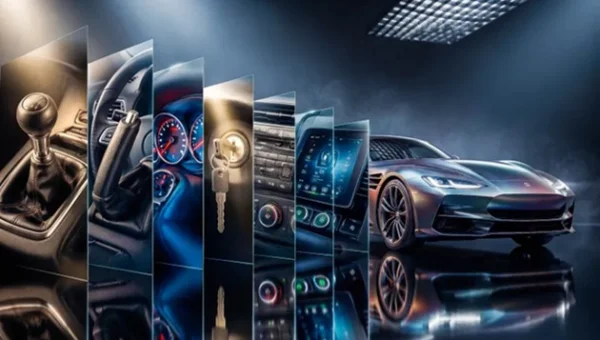
Key, Gauges, and Mirrors: Familiar Car Details That May Vanish from Your Next Vehicle
Modern cars are rapidly going digital, and traditional features drivers have used for decades are gradually disappearing. Analog instrument clusters are being replaced by screens, start buttons are giving way…
Batteries, Fuel Cells, or Hydrogen Combustion? 3 Technologies Racing for the Future of Cars
Three technologies are competing for the future of automobiles: battery electric vehicles, hydrogen fuel cells, and hydrogen combustion engines. Global EV sales surpassed 20 million units in 2025, roughly a…
Best Engine Oils for Your Car in Summer
As summer temperatures rise, choosing the right engine oil becomes critical to protect your car's engine. Experts recommend full synthetic multi-grade oils like 5W-30 or 10W-40. Trusted brands such as…
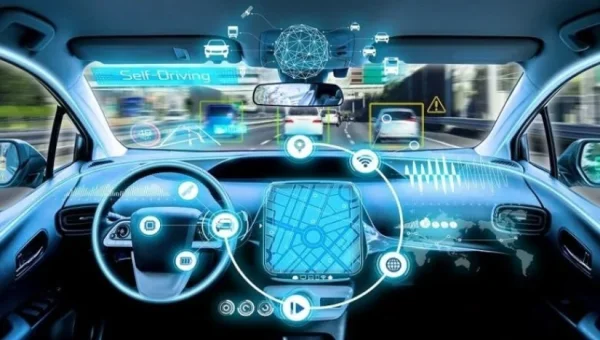
Over 1 Billion Connected Cars by 2035 — Can Mobile Networks Keep Up?
Omdia Research projects that connected cars using cellular networks will exceed 1.05 billion by 2035, up from 473.7 million in 2025. The study warns that 4G shutdowns expected from 2030…
Don't Turn Off Your Car's AC This Winter — Experts Explain Why
Germany's TÜV NORD inspection authority recommends running your car's air conditioning at least once a week for 10 minutes, even in cold weather. Regular operation keeps compressor oil and seals…