Your Car Is Watching You Too: How AI Sets Insurance Costs in 2026
From Guesswork to Real Data
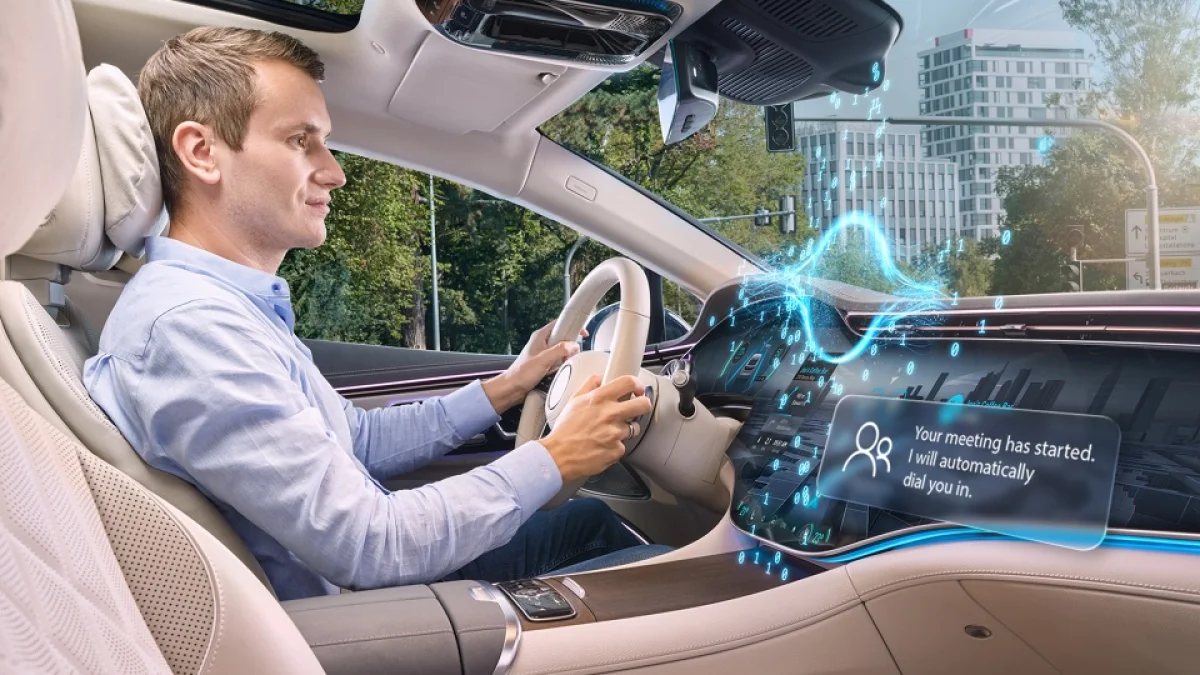
Insurance has changed. Gone are the days when premiums relied solely on your age, car model, and home address. Major insurers like Progressive, Allstate, and State Farm now use actual driving data systems, known as telematics, via mobile apps or small devices installed in vehicles to monitor speed, braking force, and phone usage while driving, feeding this data into AI models that recalculate premiums based on real behavior rather than demographic assumptions.
Your Driving Score Sets the Price
Britain offers a practical example. The Zego Sense app relies entirely on phone sensors to generate a "driver score" that determines renewal pricing—no extra hardware needed. The numbers are striking. Data from WeCovr in March 2026 showed that drivers with accident-free records for nine or more consecutive years could see premium drops exceeding 70 percent, giving telematics a clear competitive edge over traditional systems that freeze pricing on static assumptions throughout the contract term.
The gap is wide. From demographic guesswork to actual measurement.
AI Detects Fraud Too
The benefits go beyond pricing. Driving data has transformed into one of the most powerful fraud detection tools available. Insurers use machine learning models and natural language processing to analyze massive volumes of claims data and uncover suspicious patterns that no human team could spot at the same speed, which theoretically lowers premiums for compliant drivers by reducing fraud-related losses.
Is the Algorithm Always Fair?
Yet the picture isn't perfect. A SolidAITech report documented a U.S. driver with a completely clean record—no accidents, no violations—who was shocked to see his annual premium jump by $520 at renewal with no clear explanation from his insurer. The reason often lies not in driving behavior itself but in predictive models from external data aggregators like LexisNexis and Verisk, fed data from the car manufacturer itself without the driver's clear knowledge that their data was being shared.
The question remains open: Who watches the watcher?
Related News
View All News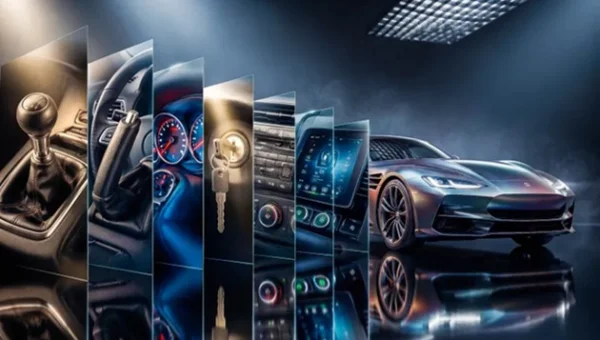
Key, Gauges, and Mirrors: Familiar Car Details That May Vanish from Your Next Vehicle
Modern cars are rapidly going digital, and traditional features drivers have used for decades are gradually disappearing. Analog instrument clusters are being replaced by screens, start buttons are giving way…
Batteries, Fuel Cells, or Hydrogen Combustion? 3 Technologies Racing for the Future of Cars
Three technologies are competing for the future of automobiles: battery electric vehicles, hydrogen fuel cells, and hydrogen combustion engines. Global EV sales surpassed 20 million units in 2025, roughly a…
Best Engine Oils for Your Car in Summer
As summer temperatures rise, choosing the right engine oil becomes critical to protect your car's engine. Experts recommend full synthetic multi-grade oils like 5W-30 or 10W-40. Trusted brands such as…
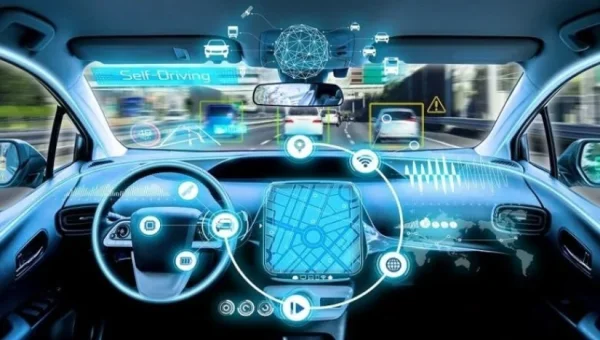
Over 1 Billion Connected Cars by 2035 — Can Mobile Networks Keep Up?
Omdia Research projects that connected cars using cellular networks will exceed 1.05 billion by 2035, up from 473.7 million in 2025. The study warns that 4G shutdowns expected from 2030…
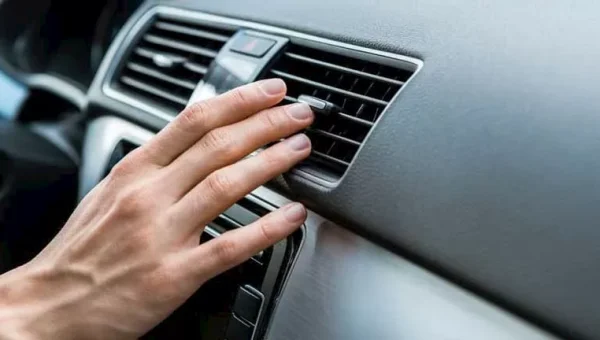
Don't Turn Off Your Car's AC This Winter — Experts Explain Why
Germany's TÜV NORD inspection authority recommends running your car's air conditioning at least once a week for 10 minutes, even in cold weather. Regular operation keeps compressor oil and seals…