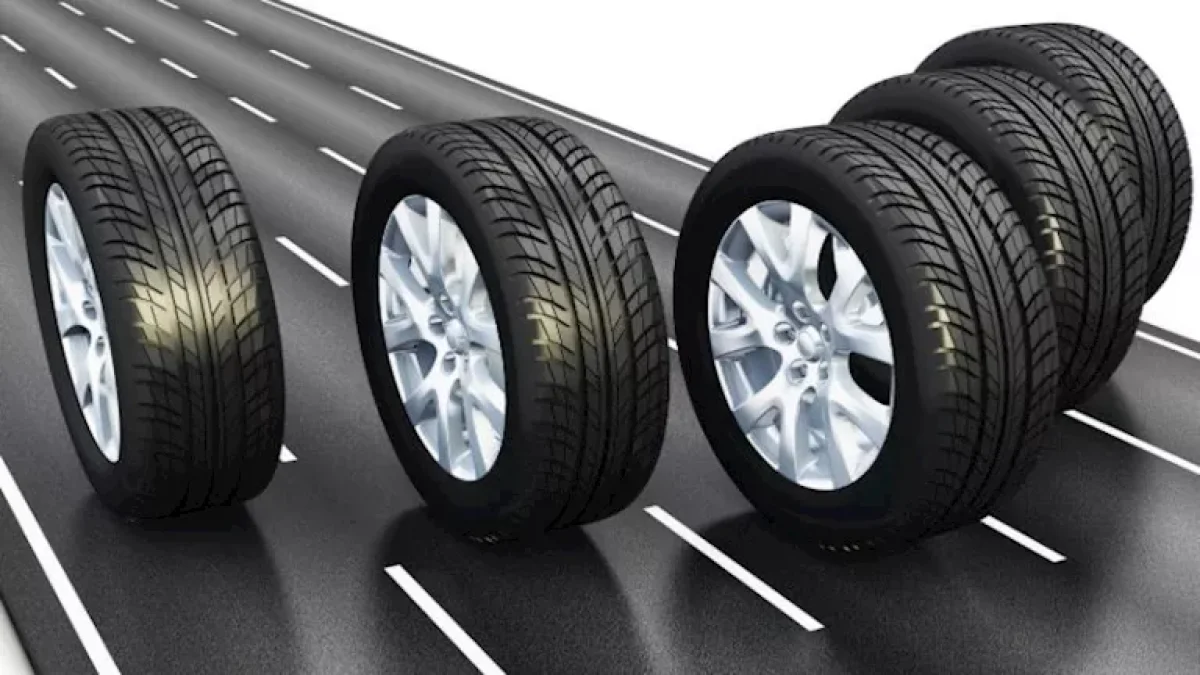
Common Mistakes That Kill Your Car Tires Before Replacement Time
Rising tire prices in Egypt make extending tire life essential for reducing maintenance costs. The most common mistakes that shorten tire lifespan include improper air pressure, ignoring wear signs, neglecting wheel alignment, and delaying replacement. Inspecting the full tire and checking pressure regularly preserve tire life and keep your car stable and safe on the road.
Car tires in Egypt have become a real financial burden with rising prices, but the truth is tire lifespan doesn't depend on mileage alone. Driving style, air pressure, road conditions, replacement timing, and storage—all play a role. Some daily habits can wear out your tires far faster than expected.
Air Pressure... The Silent Killer of Your Tires
Setting air pressure is the single most impactful factor on tire life. Low pressure increases friction with the road and raises temperature, while overinflation causes uneven wear and reduces the contact patch. Check pressure regularly and set it according to your car manufacturer's specifications—don't rely on visual estimation.
Wear Signs... Don't Ignore Them
Some drivers keep using tires despite clear tread wear or sidewall cracks. That's a big mistake. Grip and stability suffer, especially during braking or driving on wet roads. Inspect the entire tire—not just tread depth—and look for cracks, bubbles, or cuts in the sidewall. Any of these signs means the tire's safe life is over.
Wheel Alignment... When One Side Eats Your Tire
Neglecting wheel alignment causes parts of the tire to wear faster than the rest. Notice if wear is more visible on one side—that's a clear sign. Vehicle pulling or an unstable steering wheel while driving demands an immediate alignment check. It's not a luxury, it's a necessity for tire life and road stability.
Delaying Replacement... False Savings at a High Cost
Using a tire past its safe condition just to save on replacement is a wrong call. Grip drops, and the risk of failure while driving rises. Base your replacement decision on actual tire condition, age, and any signs of damage or abnormal wear. A proper tire costs far less than an accident on the road.
Frequently Asked Questions
3 questions answered
Related News
View All News
Receiving a New Car: 12 Essential Steps Before Leaving the Showroom
The Consumer Protection Agency recommends thoroughly inspecting a new car before leaving the showroom, even if it's brand new. The 12-step checklist covers matching the model, trim, and color, as…

City Cars on Long Trips: The Truth May Surprise You
City cars can travel long distances despite common misconceptions. Modern compact models now offer decent comfort and stability on highways, but the real difference lies in engine power, stability, insulation,…
Before Buying a Used Car: 8 Warning Signs That Reveal Hidden Defects
As new car prices rise, more buyers are turning to the used market, but hidden defects can lead to expensive repairs after purchase. Eight key warning signs help buyers detect…
5 Traps to Avoid Before Buying Used Tires: 700 EGP vs 4,500 EGP New
Buying used tires for your car can save thousands of pounds, with a single tire costing 700 to 1,000 EGP versus 3,500 to 4,500 EGP for new. But Emad El-Feki,…
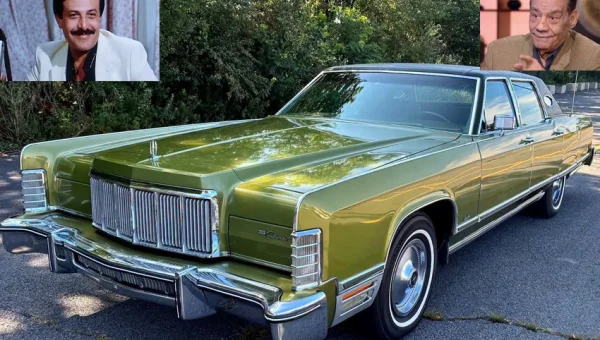
Legendary 1975 Lincoln Town Car in Egypt: Is a 7500cc Classic Worth One Million Pounds in 2026?
The 1975 Lincoln Continental Town Car has arrived in Egypt, featuring a massive 7500cc V8 engine producing 215 horsepower. Measuring 5.91 meters long and weighing over 2.3 tons, it was…