A 10-Second Mistake That Destroys Your Engine: Why Compressed Air Ruins Car Air Filters
The False Economy of Cleaning Air Filters
Some car owners resort to cleaning their air filters using compressed air when they become clogged, aiming to avoid replacement costs. However, automotive maintenance experts warn that this practice often backfires, leading to severe and costly engine damage in the long run.
How Compressed Air Damages the Filter
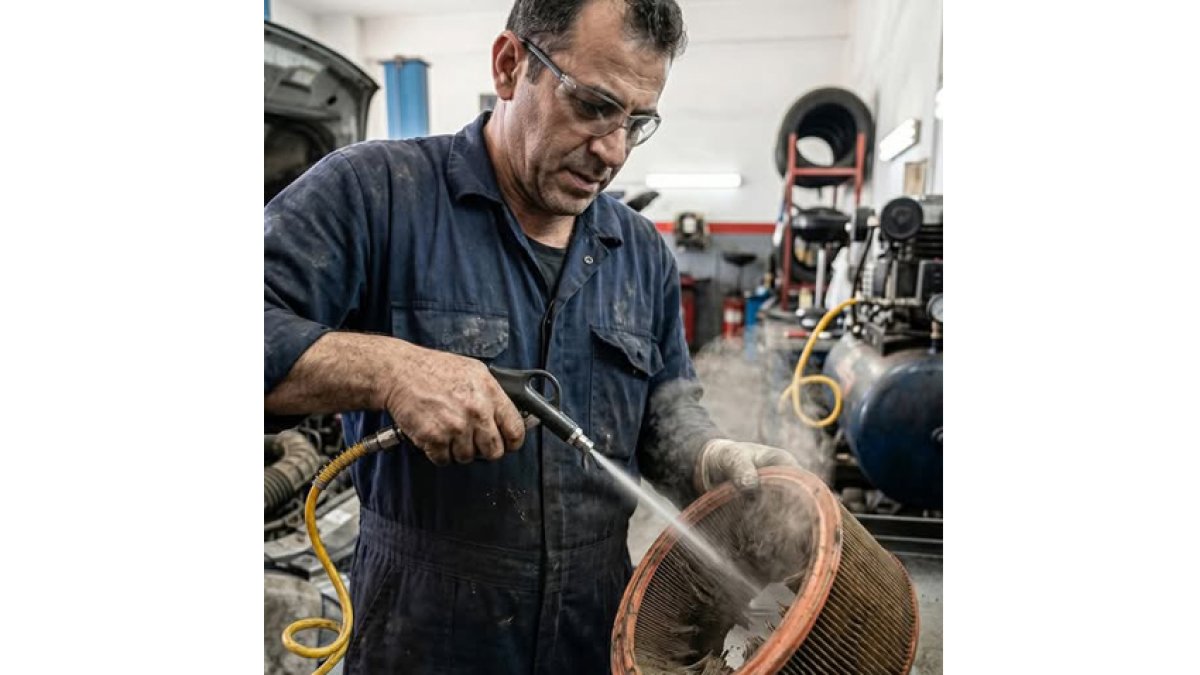
Using a compressor to clean air filters is a common mistake among drivers. Air filters are designed with extremely fine pores specifically engineered to trap dust and impurities before they reach the engine. The high pressure from compressed air can damage or widen these microscopic pores, severely reducing the filter's efficiency and allowing fine dust particles to bypass it and enter the engine.
Catastrophic Engine Wear
The damage does not stop there. These infiltrating dust particles can reach the cylinders and pistons, acting as an abrasive material that gradually wears down the engine's internal components over time. Continuing to use a compromised filter accelerates the deterioration of engine parts, potentially resulting in exorbitant repair bills or even a complete engine replacement—a massive financial loss compared to the minimal cost of a new filter.
The Right Way to Protect Your Engine
To prevent such catastrophic failures, a car maintenance center manager strongly advises replacing the air filter immediately once it is clogged or at the end of its recommended lifespan, strictly following the manufacturer's guidelines. Avoid the temptation to clean it with compressed air; regular replacement is the only reliable way to maintain engine efficiency and maximize its operational lifespan.
Related News
View All News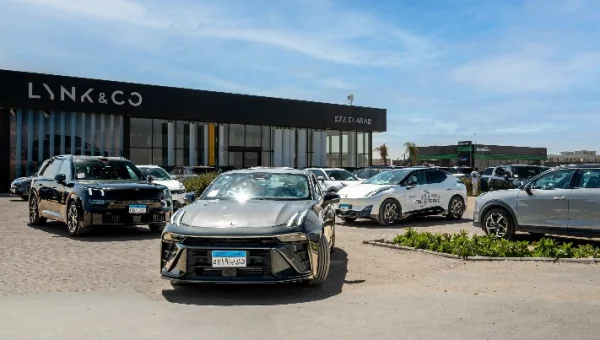
Ezz Elarab Organizes Exclusive Driving Experience for Lynk & Co 03 in Ain Sokhna
Ezz Elarab Group organized "A Day with the 03" driving event for the Lynk & Co 03 in Ain Sokhna, gathering automotive journalists and influencers. The experience included a convoy…

Nissan Magnite 2027 Pros and Cons: What to Know Before Buying
The Nissan Magnite 2027 is available in Egypt starting at 788,000 EGP. It stands out with standard safety features including 6 airbags and stability systems, plus a 1.0-liter turbo engine…
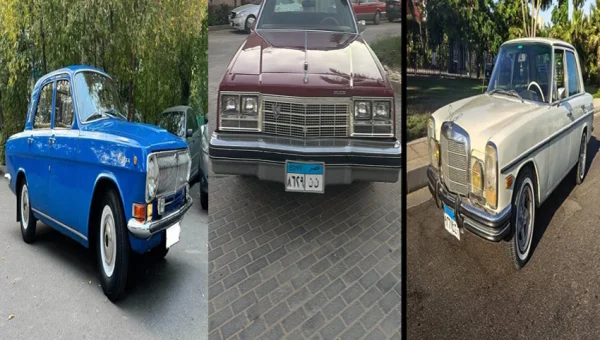
1979 Buick Park Avenue at EGP 500K vs Volga at EGP 30K and the Mercedes 'Pig' Dominating Egypt
Three classic cars converge on Egyptian streets: the 1979 Buick Park Avenue, 1977 Volga GAZ-24, and 1972 Mercedes W115. The Buick offers American luxury with a V8 engine and 5641…
A Warning Light Turns a Mechanic Visit Into a Nightmare: What to Do When a Diagnosis Threatens Your Life
When a warning light or strange noise appears, a routine mechanic visit can turn into a stressful dilemma. Attorney Doug Burnetti emphasizes that a written diagnosis is your first line…
DIY Car Maintenance Mistakes That Can Cost You a New Engine
Many car owners make dangerous DIY maintenance mistakes such as working under a vehicle held only by a jack and replacing parts without proper diagnosis. Common errors include changing brake…