


Reports Reveal Mechanical Issues in New Toyota and Honda Models
Toyota and Honda have long been synonymous with reliability and longevity, but recent months have seen a surge in reports and recalls that have raised concerns among fans of the two Japanese automakers. Complaints have emerged related to several modern models and their new engines.
While talk of "secret defects" may sometimes seem exaggerated, the reality points to genuine technical issues that have prompted both companies to conduct inspection and recall campaigns in multiple global markets, especially as they transition to smaller, more complex engines and advanced hybrid systems.
Toyota's New Engines Under Scrutiny
Toyota has faced criticism over some of its modern V6 turbo engines used in large models such as the Tundra and Lexus LX, following reports of unusual noises and potential internal damage in certain units.
These reports led the company to launch inspection and recall campaigns for a number of vehicles in different markets, while emphasizing that the issue is limited to specific production batches and not a widespread defect across all cars.
Isolated complaints have also surfaced regarding some modern hybrid systems, particularly related to software glitches or the responsiveness of electronic transmission systems.
Honda Not Immune to Issues
On the other hand, Honda has faced complaints concerning certain small turbocharged engines, along with reports linked to electronic steering systems and intermittent problems in some CVT transmissions.
Some users have reported vibrations or unusual noises in modern hybrid models, especially amid the rapid shift toward electrification and more complex driving systems.
Has Japanese Car Quality Declined?
Experts believe that part of the problem stems from the massive transformation underway in the global automotive industry. Modern cars now rely on complex software, high-pressure small engines, and hybrid and electric systems that are far more advanced than previous generations.
Reliability is no longer solely tied to the simple, traditional engines found in cars from the 1990s and early 2000s. Today's vehicles are closer to "mobile electronic devices" that require updates, sophisticated software, and advanced management systems.
‘Secret Defects’: Reality or Exaggeration?
Despite the buzz on the internet and car forums, specialists confirm that many of these issues do not amount to "secret defects." Instead, they are natural technical challenges that accompany any major technological shift in the industry. Toyota and Honda remain among the most diligent companies in addressing any flaws through swift and transparent recall campaigns.
Related News
View All News
Peugeot E-208 GTi Brings Back the GTi Legend with 280 HP Electric Power
Peugeot unveiled the fully electric E-208 GTi producing 280 hp and 345 Nm of torque at the 24 Hours of Le Mans event in June 2025. The car accelerates from…

Fiat Topolino Makes TIME's Best Inventions of 2026 List: Here's Its Price in Egypt
TIME magazine has included the Fiat Topolino electric city car in its Best Inventions of 2026 list under the Design category. The model combines modern Italian design with compact dimensions…
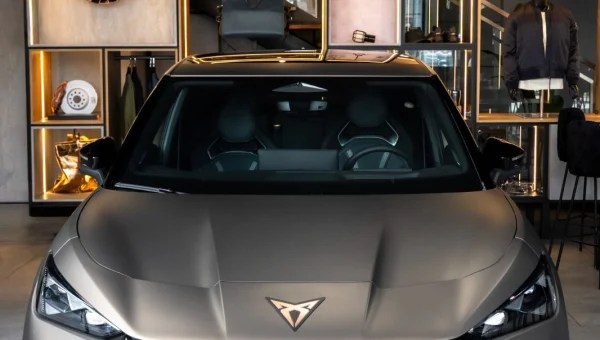
Cupra Tavascan Electric SUV Launches Officially in Egypt with 286 HP and 569 km Range
Cupra has officially launched the Tavascan electric SUV in Egypt through its distributor Kayan Egypt, with Sven Schuwirth attending his first official visit. The car is built on the MEB…
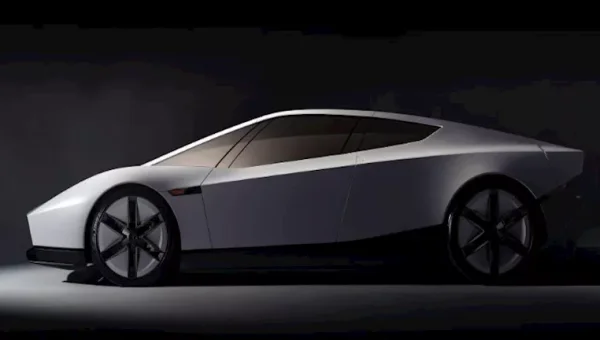
Tesla Unveils New Roadster That Jumps Mid-Air With SpaceX Rocket Tech
Tesla has revealed the next-generation Roadster in Texas, where the electric sports car jumped and rotated mid-air using compressed-gas thrusters inspired by SpaceX. The system features 10 nozzles connected to…
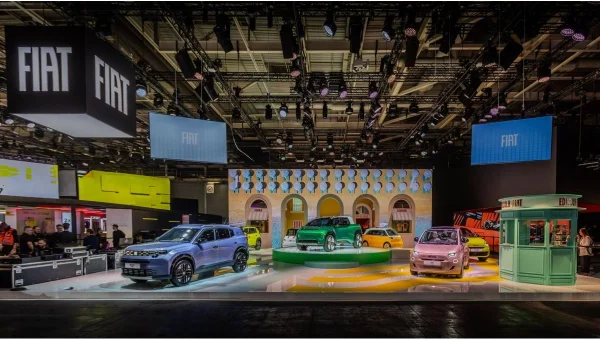
Fiat at Paris Motor Show 2026: Grizzly Brings the Italian Brand Back to Family Cars
Fiat has unveiled the Grizzly and Grizzly Fastback at the 2026 Paris Motor Show, its first European appearance of new family cars under 4.5 meters long with boot space up…

