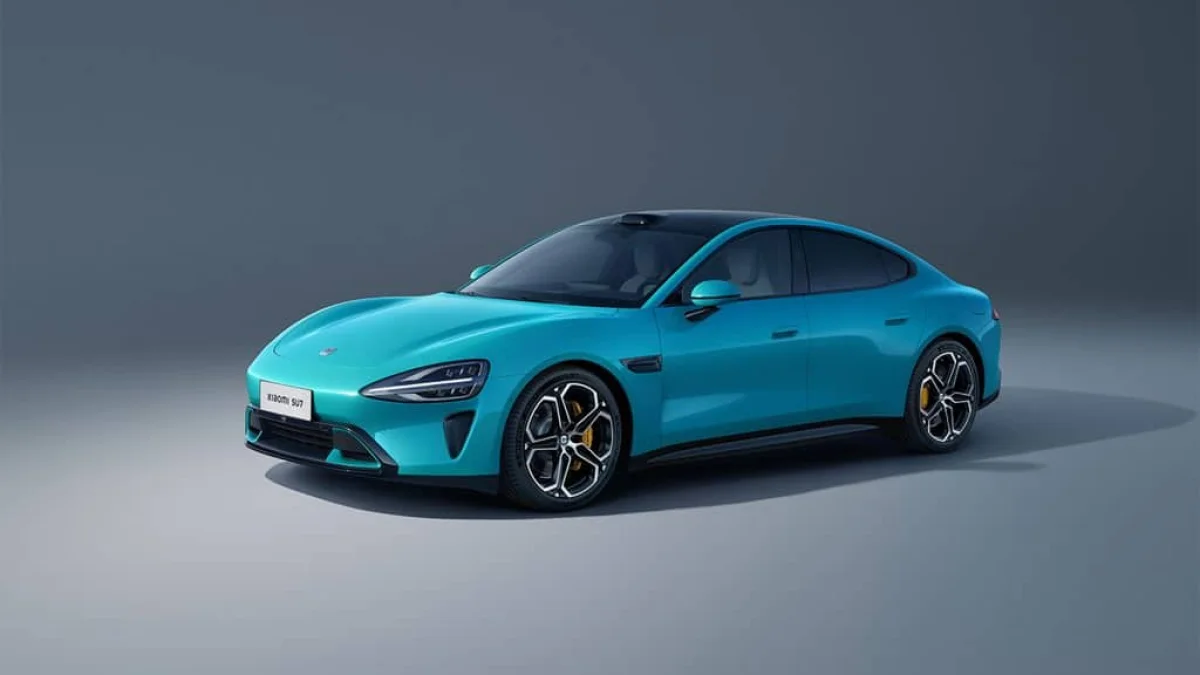
From Phones to Cars: Xiaomi Overtakes Mercedes and Sparks a Tech War in China
The Chinese auto market is witnessing a radical power shift. Tech giant Xiaomi sold over 80,000 cars in six months, a figure dwarfing the meager 1,153 units sold of the Mercedes electric CLA. This success stems from Chinese consumers' growing preference for software, AI, and digital car experiences. Traditional German manufacturers like BMW, Volkswagen, and Porsche now face new challenges in the world's largest car market.
The sales numbers from China paint a very different picture of global competition. Xiaomi electronics giant sold over 80,000 cars in just six months, while Mercedes electric CLA barely managed 1,153 units during the same period.
Why Did the Rules of the Game Change in China?
Chinese consumers aren't chasing traditional luxury or raw engine power anymore. They want a car that functions as a mobile smart device, with advanced software, constant connectivity. Autonomous driving systems that improve through frequent updates. This fundamental shift in priorities has put German giants like BMW, Volkswagen. Porsche under mounting pressure.
The gap isn't just about performance; it's about speed of response to market demands. Companies like Xiaomi and BYD are moving faster in smart car development, leveraging their extensive experience in electronics and software. That's a clear competitive advantage in a world where technology evolves every few months.
Software Triumphs Over Mechanical Engineering
German automakers dominated for decades thanks to precision mechanical engineering, superior build quality, and powerful brand heritage. But the Chinese market now operates on different criteria, where the car transforms into a fully integrated digital platform. The numbers tell this story unmistakably, showing that consumer interest has shifted toward software, artificial intelligence. Not merely engine power or conventional luxury.
Speed of technical updates is the new weapon in this battle. The ability to roll out periodic software updates and improve autonomous driving systems remotely creates a decisive difference. This advantage, which Xiaomi and other rising Chinese players possess, poses an existential challenge to the traditional long-cycle engineering approach of German manufacturers.
The smart car battle in China is more than just commercial competition; it's a radical shift in the very concept of the automobile. Companies that can deliver a fully integrated digital experience and rapid updates will lead the market in the coming phase, while household names built over a century face a true test of adaptability to this new revolution.
Frequently Asked Questions
3 questions answered
Related News
View All News
Europe Tightens Grip on Chinese Hybrids After EVs
The EU and China agreed to reduce exports of hybrids and plug-in hybrids to Europe in the coming years, following talks by Trade Commissioner Maroš Šefčovič in Beijing. The move…
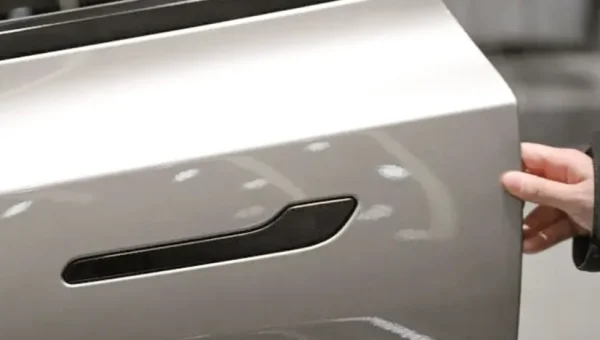
China Brings Buttons Back: New Rules End Hidden Handles and Folding Screens Era
China is imposing new design rules on vehicles, including a ban on fully hidden door handles and foldable or flexible screens. The rules require automakers to keep physical buttons and…
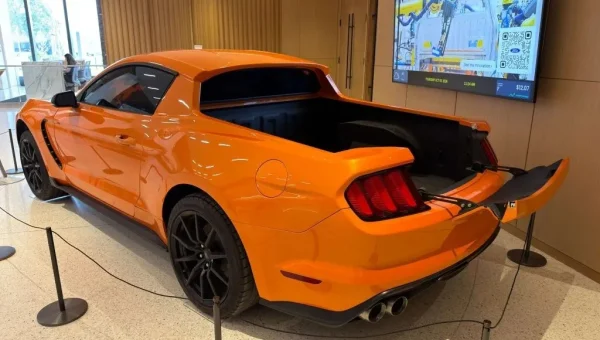
Ford's Secret Mustang Ute: A Real Pickup That Never Reached Production
Ford has unveiled a unique Mustang converted into a ute with an open rear bed, built inside the Experimental Vehicle Building in Dearborn, Michigan. The car started as a Cyber…
Tipo 829: Three Cars in One Body Reviving the Spirit of Lancia Stratos After 7 Years of Development
Italian company Angelelli Automobili has unveiled the Tipo 829 sports project after seven years of development. The project offers three distinct versions: Terra for rally, Strada for fast roads, and…
Qingdao's Electric Vehicle Exports to Egypt Jump 177.7%
Qingdao's electric vehicle exports to Egypt jumped 177.7% in the first eight months of this year. Total exports reached 3.33 billion yuan, up 30.7% year-on-year. Rox (Qingdao) recorded 134 million…