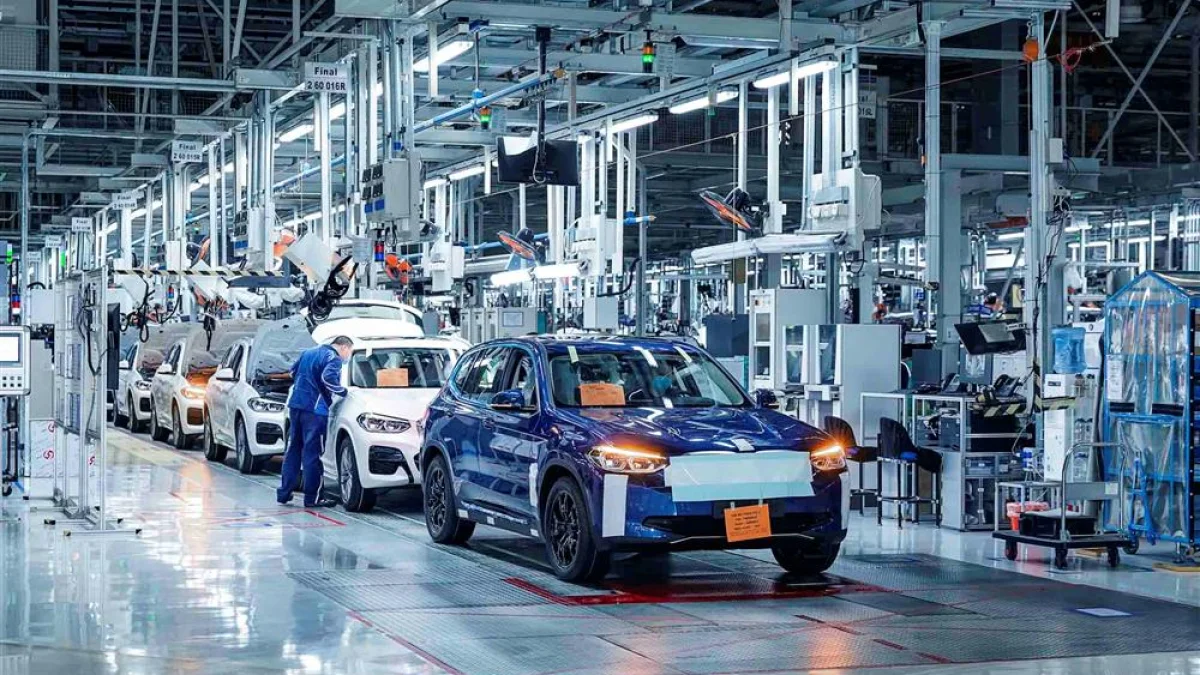
Europe Tightens Grip on Chinese Hybrids After EVs
The EU and China agreed to reduce exports of hybrids and plug-in hybrids to Europe in the coming years, following talks by Trade Commissioner Maroš Šefčovič in Beijing. The move comes after 2024 tariffs on Chinese EVs, which pushed Chinese firms to shift exports toward hybrids. The European Automobile Manufacturers Association welcomed the deal but awaits implementation details. Chinese companies may redirect exports to emerging markets like Egypt.
The European Union is opening a new front in its trade battle with China. Pressures have expanded from fully electric vehicles to hybrids and plug-in hybrids, in a bid to curb the growing flow of low-cost Chinese models into the European market. The shift came after talks by EU Trade Commissioner Maroš Šefčovič in Beijing.
Details of the Expected Brussels-Beijing Agreement
According to what was reached, China agreed to reduce exports of hybrids and plug-in hybrids to Europe in the coming years. At the same time, discussions continue on the price undertakings mechanism for manufacturers of BYD and other Chinese electric vehicle makers. This understanding reflects a European desire to reset the trade relationship and address imbalances that Brussels says harm local industry.
Why Did the Clash Move to Hybrid Cars?
The EU began imposing additional tariffs on Chinese electric vehicles in 2024, after investigations concluded that Chinese companies benefited from government support giving them a competitive edge in the European market. But restrictions on EVs did not fully stop Chinese expansion. A growing share of sales and exports shifted to plug-in hybrids. That were not initially covered by the same measures. As these imports kept rising, Brussels started treating hybrids as part of the same trade problem, not just a less sensitive alternative to EVs.
Cautious European Welcome and Fear of Price Gap
The European Automobile Manufacturers Association welcomed the new understandings as a positive step toward rebalancing the market. But it stressed that the real test will depend on implementation details and the volumes covered by restrictions. European carmakers have feared for years a widening price gap with Chinese companies, especially given the latter's ability to offer high-spec EVs and hybrids at lower prices. Will the German auto industry benefit from these measures? The answer hinges on how effectively the restrictions reduce the market share of Chinese models.
Potential Implications for the Egyptian Market
In the longer term, these developments could affect Chinese strategies in emerging markets. As Europe tightens the noose, Chinese companies may redirect exports to markets like Egypt and the Middle East. That shift could boost competition and lower prices, but it may also raise concerns among local manufacturers. The question remains: will BYD and MG find new opportunities in Egypt?
Frequently Asked Questions
3 questions answered
Related News
View All News
China Brings Buttons Back: New Rules End Hidden Handles and Folding Screens Era
China is imposing new design rules on vehicles, including a ban on fully hidden door handles and foldable or flexible screens. The rules require automakers to keep physical buttons and…
Ford's Secret Mustang Ute: A Real Pickup That Never Reached Production
Ford has unveiled a unique Mustang converted into a ute with an open rear bed, built inside the Experimental Vehicle Building in Dearborn, Michigan. The car started as a Cyber…
Tipo 829: Three Cars in One Body Reviving the Spirit of Lancia Stratos After 7 Years of Development
Italian company Angelelli Automobili has unveiled the Tipo 829 sports project after seven years of development. The project offers three distinct versions: Terra for rally, Strada for fast roads, and…
Qingdao's Electric Vehicle Exports to Egypt Jump 177.7%
Qingdao's electric vehicle exports to Egypt jumped 177.7% in the first eight months of this year. Total exports reached 3.33 billion yuan, up 30.7% year-on-year. Rox (Qingdao) recorded 134 million…
Toyota Crisis Deepens: Land Cruiser and Sequoia Deliveries Halted Over Critical Engine Defect
Toyota has suspended deliveries of Land Cruiser 300, Sequoia and Tundra models in several global markets due to a defect in the 3.4-liter twin-turbo V6 engine. The flaw involves abnormal…