Volkswagen Between Chinese Competition and Restructuring Pressures
Volkswagen enters a critical restructuring phase under pressure to cut costs and improve competitiveness. Chinese EV brands are gaining ground with lower prices and better technology. The company may close German factories for the first time in history. Upcoming decisions will shape the future of European auto manufacturing.
Volkswagen is navigating one of its most difficult phases in recent history. The German automaker's restructuring plan has entered a more sensitive stage, with mounting pressure to cut costs and sharpen competitiveness. Chinese rivals are accelerating, and the electric vehicle shift is no longer optional.
Why Restructure Now?
The core issue is shrinking profit margins across Europe, where models like the Volkswagen Golf once dominated sales charts. Heavy investment is now needed for new electric platforms capable of matching Chinese offerings that arrive with lower prices and advanced technology. The gap is real.
This isn't a temporary downturn. The challenge demands radical decisions — potentially including factory closures in Germany for the first time ever, along with thousands of job cuts once considered unthinkable. Labor unions are pushing back, while management insists these steps are essential for survival and future growth.
China Upsets the Board
Brands like BYD are no longer confined to their home market. Chinese EVs deliver over 600 kilometers of range at prices up to 30% lower than comparable European models. Traditional automakers struggle to match that efficiency due to legacy manufacturing structures and supply chains.
Can Volkswagen catch up? The company plans a new battery generation at 50% lower cost within the coming years. Yet China moves faster, and every delay means losing more ground in Asia and Eastern Europe, where demand for affordable EVs grows daily.
What This Means for Egyptian Drivers
Egyptian consumers are watching these developments closely. Volkswagen enjoys strong brand loyalty locally through models like Polo and Jetta. A successful restructuring would bring more electric and hybrid options at competitive prices within the next few years. Failure would keep choices limited for far longer.
Decisive negotiations between management and unions are expected in the coming weeks. The outcome won't just determine Volkswagen's future — it will set a benchmark for the entire European auto industry facing the Chinese wave.
Frequently Asked Questions
3 questions answered
Related News
View All News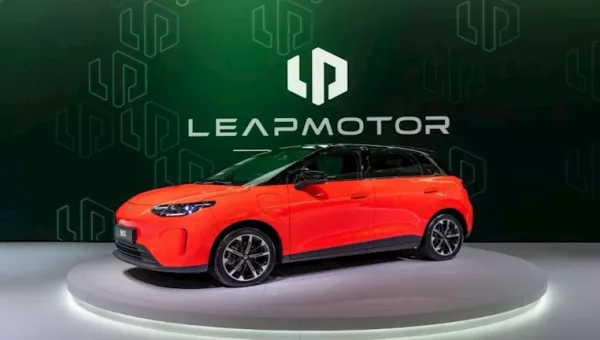
Leapmotor Unveils European Expansion Plan in Paris, Showcasing B03 and D19 as B10 Production Begins in Spain
Leapmotor unveiled its European expansion plan at the 2026 Paris Motor Show, including the start of B10 production in Zaragoza, Spain, with Stellantis. The company showcased the B03 electric hatchback…
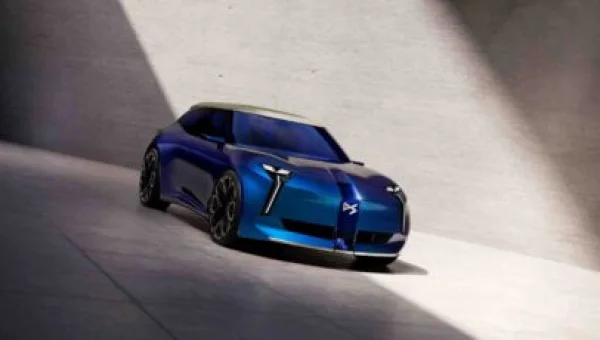
DS Unveils F3VER Concept at Paris Motor Show 2026 with Radical Design and 16-Panel LED Lighting
DS Automobiles revealed the DS F3VER CONCEPT at the Paris Motor Show 2026. The concept measures 4.19 metres long, 1.84 metres wide, and 1.46 metres tall, featuring 16-panel LED tail…
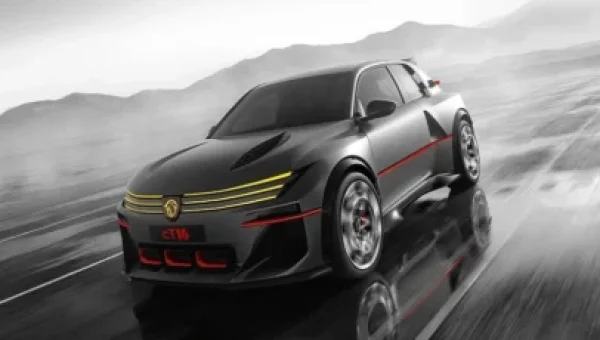
Peugeot Unveils E-T16 Concept at Paris Motor Show 2026 with 816 HP
Peugeot has revealed its E-T16 Concept at the Paris Motor Show 2026, producing 816 horsepower and accelerating from 0 to 300 km/h in 16 seconds. The car celebrates the 40th…
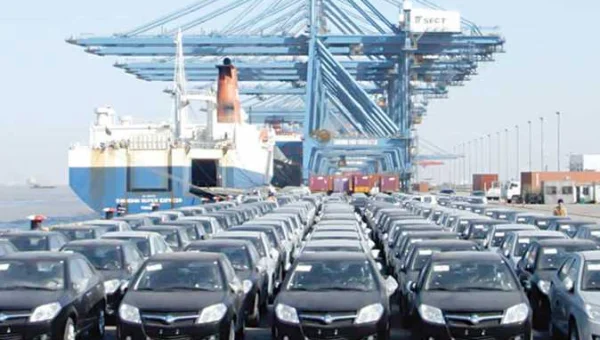
China to Cut VAT Rebate on New Energy Vehicle Exports to 9% Starting April 2027
China will reduce its value-added tax rebate on new energy vehicle exports from 13% to 9% effective April 1, 2027. The joint decision by the Ministry of Finance and the…
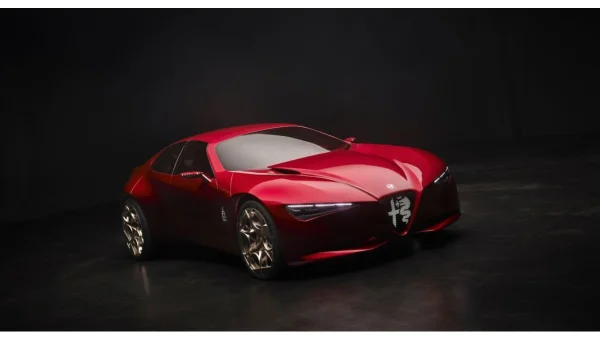
Alfa Romeo Quireroso Debuts at Paris 2026: Electric Italian Spirit
Alfa Romeo revealed the Quireroso concept at the 2026 Paris Motor Show, measuring 4,700 mm long, 1,980 mm wide, 1,331 mm tall, and weighing 1,750 kg. It centers on three…