China to Cut VAT Rebate on New Energy Vehicle Exports to 9% Starting April 2027
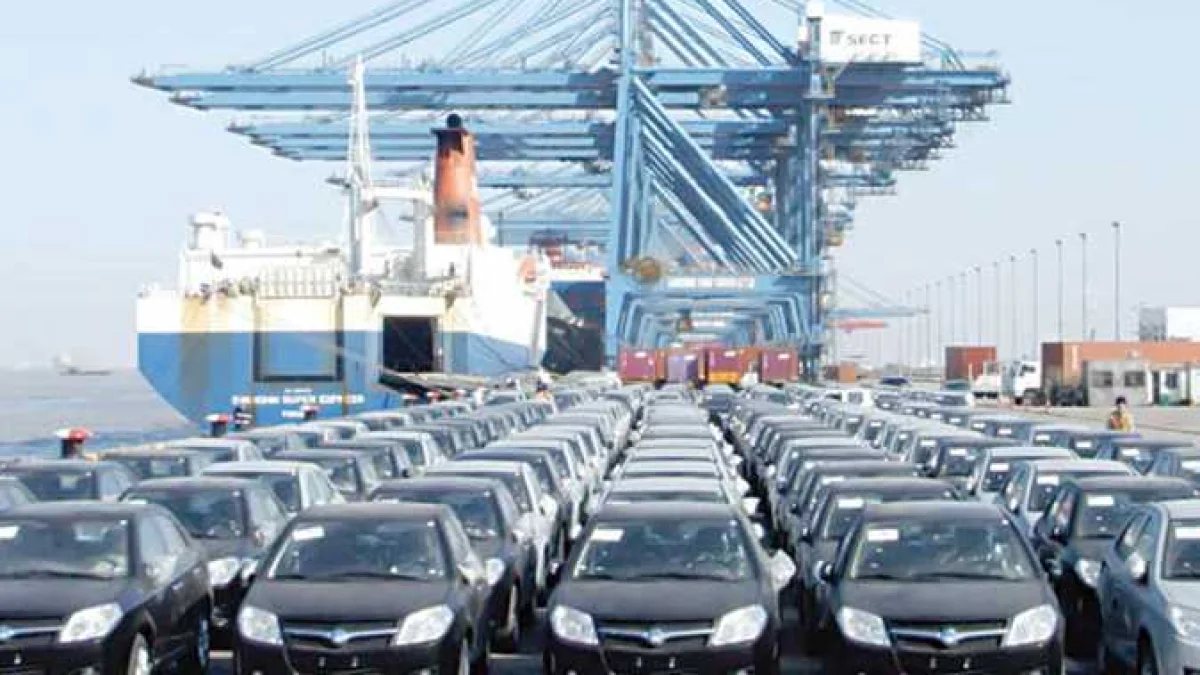
China will reduce its value-added tax rebate on new energy vehicle exports from 13% to 9% effective April 1, 2027. The joint decision by the Ministry of Finance and the State Taxation Administration also eliminates VAT rebates on e-cigarette device exports. This follows earlier moves that cut the battery export rebate to 6% and scrapped rebates on photovoltaic products. As the world's largest NEV market, China's policy shift could affect pricing strategies for Chinese automakers in overseas markets, including Egypt.
China will slash its value-added tax rebate on new energy vehicle exports from 13% to 9%, effective April 1, 2027. The joint announcement came from the Ministry of Finance and the State Taxation Administration. Four percentage points of support — gone.
What the Decision Means for Chinese Automakers
The rebate cut is part of a broader recalibration of China's export tax refund policies, a process that has been unfolding for over a year. Beijing scrapped the VAT rebate on photovoltaic product exports last April. Reduced the rebate rate on battery product exports to 6% from 9% on the same date. By January 1, 2027, the VAT rebate on battery exports will be eliminated entirely. The trajectory is unmistakable — support is being phased out.
So what does this mean for Chinese car manufacturers that increasingly depend on overseas markets for growth? BYD, Geely, and Chery have poured massive investments into international expansion in recent years, and any shift in cost structure will ripple directly into pricing strategies across importing markets. The same joint statement also cancels VAT rebates on e-cigarette device exports and related products from the same date.
Consumption Tax Policies Remain Unchanged
Despite the new adjustment, the joint statement confirmed that consumption tax policies on exports of products subject to this tax will remain unchanged. Existing arrangements for tax refunds or exemptions will continue as they are. That stability gives manufacturers room to plan production and export schedules without added surprises.
China is the world's largest market for new energy vehicles — a category that includes battery-powered electric vehicles and plug-in hybrids. The sector has expanded at breakneck speed in recent years, with Chinese automakers increasingly pivoting toward overseas markets in search of growth. Importing markets, including Egypt, are watching these tax adjustments closely because they could feed into the pricing of electric and hybrid models arriving from China.
Frequently Asked Questions
3 questions answered
Related News
View All News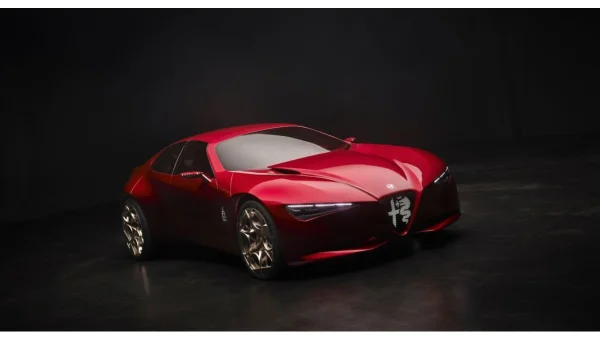
Alfa Romeo Quireroso Debuts at Paris 2026: Electric Italian Spirit
Alfa Romeo revealed the Quireroso concept at the 2026 Paris Motor Show, measuring 4,700 mm long, 1,980 mm wide, 1,331 mm tall, and weighing 1,750 kg. It centers on three…
Alfa Romeo Refuses to Turn Cars Into Screens: Cuorerosso Brings Driving Pleasure Back at Paris 2026
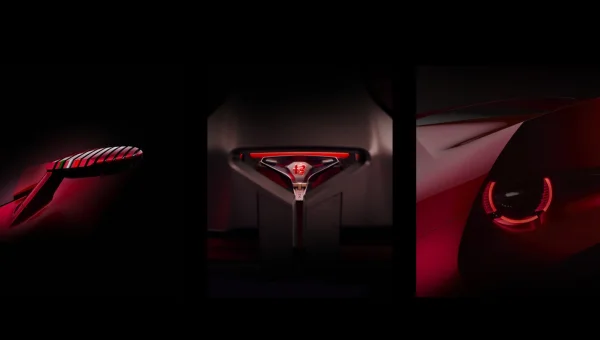
Alfa Romeo unveiled its Cuorerosso concept at the 2026 Paris Motor Show on October 12. The car is not a production preview but a design manifesto defining the brand's identity…
Opel at Paris Motor Show 2026: Speed Becomes a New Identity
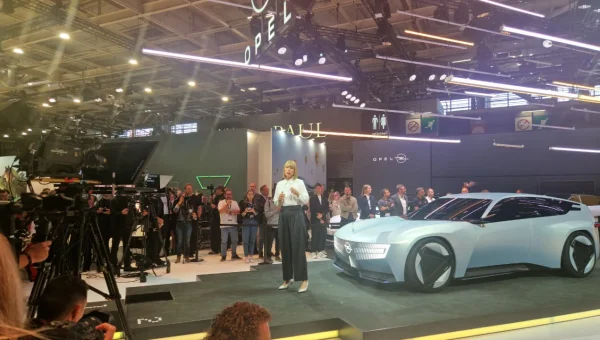
Opel unveiled the STX Concept at the 2026 Paris International Motor Show, a design study previewing its vision for electric station wagons. During the press conference, VP of Marketing Rebecca…
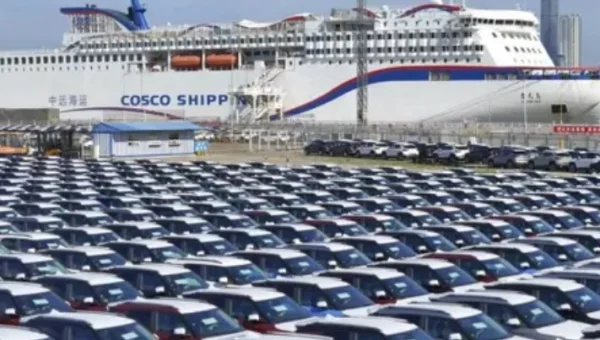
China Auto Sales Drop 28.1% for 12th Straight Month While Exports Surge 73.2% in September
China's passenger vehicle sales dropped 28.1% year-on-year in September 2026 to 1.63 million units, marking the twelfth consecutive month of decline. Exports, however, surged 73.2% to 923,000 vehicles, with new…
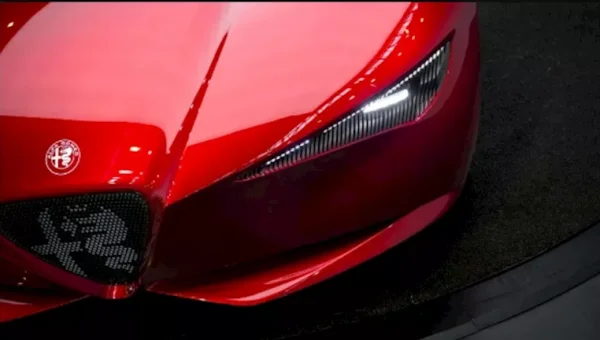
Alfa Romeo Teases Cuorerosso Concept Ahead of Paris Motor Show
Alfa Romeo has revealed the first preview of its Cuorerosso concept car just days before the 2026 Paris Motor Show. The project was developed by the brand's Centro Stile in…