

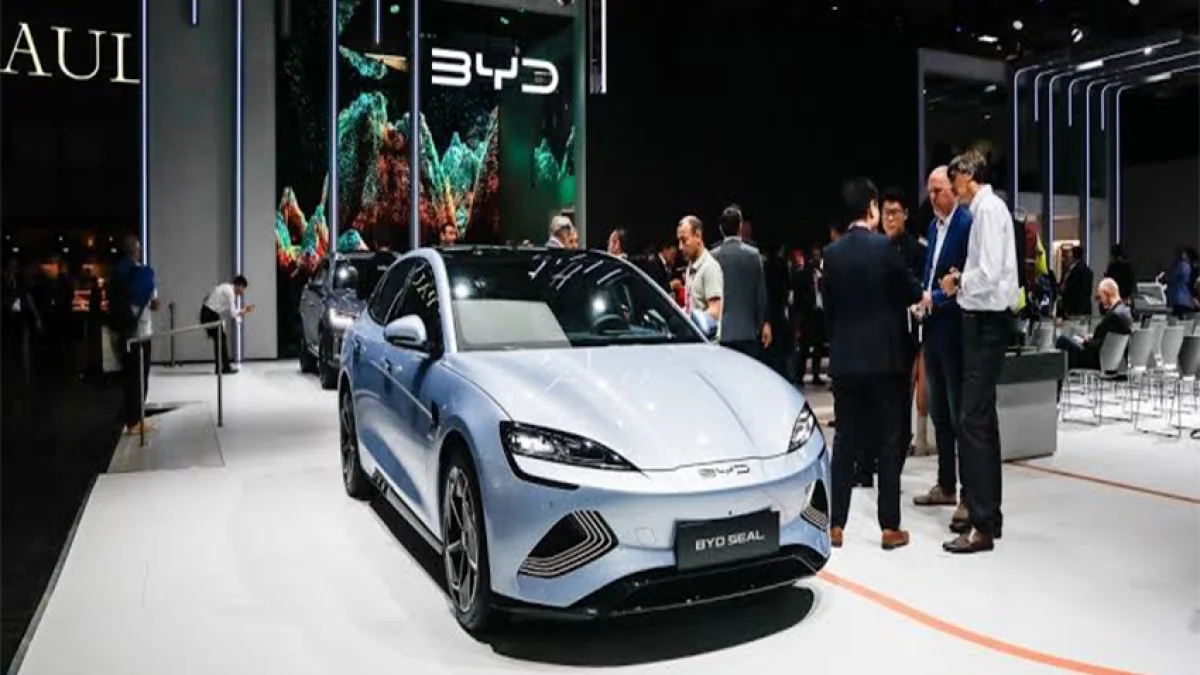
280% Surge in Used Chinese Cars in Europe Defeats 45% Tariffs
Used Chinese car sales to European Union customers rose 280% between January and September 2026 to 7,900 vehicles, according to China EV Marketplace data. The surge comes as new car sales to Europe dropped 44%, indicating buyers are turning to cheaper alternatives exempt from the 45% tariff on new vehicles. The platform sources low-mileage used cars from China at prices roughly 40% below original, putting European automakers under pressure from a new direction.
Used Chinese car sales to European Union customers jumped 280% between January and September 2026, reaching 7,900 vehicles, according to data from China EV Marketplace, a company specializing in Chinese car exports. The figure reveals an alternative route Chinese brands are taking to reach European buyers, bypassing the 45% tariff slapped on new vehicles. The market is shifting.
How BYD and Geely Are Sidestepping the 45% Tariffs
The platform buys low-mileage used cars from the Chinese market and resells them to European customers. According to company officials, buyers can find cars with around 6,000 kilometers on the clock at prices roughly 40% below their original Chinese sticker. The math is simple: a nearly new car at a discounted price, free from the additional tariffs. That is the key.
The platform lists over 2,600 used vehicles, including models from Chinese brands such as BYD, Geely, Nio, Xiaomi. Zeekr, aiming to capitalize on demand for cheaper electric cars. While these numbers reflect the company alone and don't represent the entire used Chinese car market in Europe, they point to a clear shift in buyer behavior. The numbers aren't final yet.
New Car Sales Drop 44%
Sales of new cars to European customers fell 44% over the same period, signaling a change in buyer preferences toward cheaper alternatives. The decline doesn't mean demand for Chinese cars has vanished — it has moved from the showroom to the used market. The shift is clear.
The trend exposes a new challenge for European automakers. Even when new Chinese cars become more expensive due to tariffs, used versions may remain an attractive option thanks to lower prices and advanced tech features. European companies are facing competition from the back door.
Can Tariff Protection Hold Against the Used Market?
Europe's tariffs were designed to shield local automakers from Chinese competition by raising the cost of new cars. Yet used Chinese EVs have started to carve an alternative path to European buyers, leveraging lower prices and exemption from the same additional duties. Tariff protection is no longer enough. That is the new reality.
Questions remain about how sustainable this trend is, especially since the figures have not been independently verified through European vehicle registration statistics. Still, early indicators suggest European buyers are willing to buy a used Chinese car if the specs are right and the price is lower. The market decides.
Frequently Asked Questions
3 questions answered
Related News
View All News
Self-Driving Vehicles Set to Hit 126 Million Units and $1.9 Trillion Market by 2032
Global self-driving vehicle numbers are expected to jump from 64 million to 126 million within five years. The market is currently valued at $191 billion and is projected to reach…
Saudi Arabia Recalls 6,388 Mercedes S-Class and Maybach Cars Over Brake Hose Defect
Saudi Arabia's Ministry of Commerce has recalled 6,388 Mercedes S-Class and S-Class Maybach vehicles from model years 2020 to 2025 due to a front-axle brake hose defect that may cause…

How Washington Pressures European Carmakers to Cut China Ties
European carmakers are facing growing US pressure over their trade and investment ties with China, including tariffs, ownership restrictions, and cybersecurity rules. A US Senate bill proposes banning companies where…
Volkswagen Sales Crash 38.5% in China, Pivots to Global Export Hub
Volkswagen announced a strategic shift in China from a domestic-focused approach to a global export hub under the banner 'In China, Beyond China.' The decision follows a 38.5% sales drop…
Hyundai Motor India Loses Nearly 24% of Profits Despite Revenue Growth
Hyundai Motor India's net profit fell 24% to 11.96 billion rupees in the quarter ended September 30. Raw material costs pushed total expenses to 193.02 billion rupees, while operating revenue…

