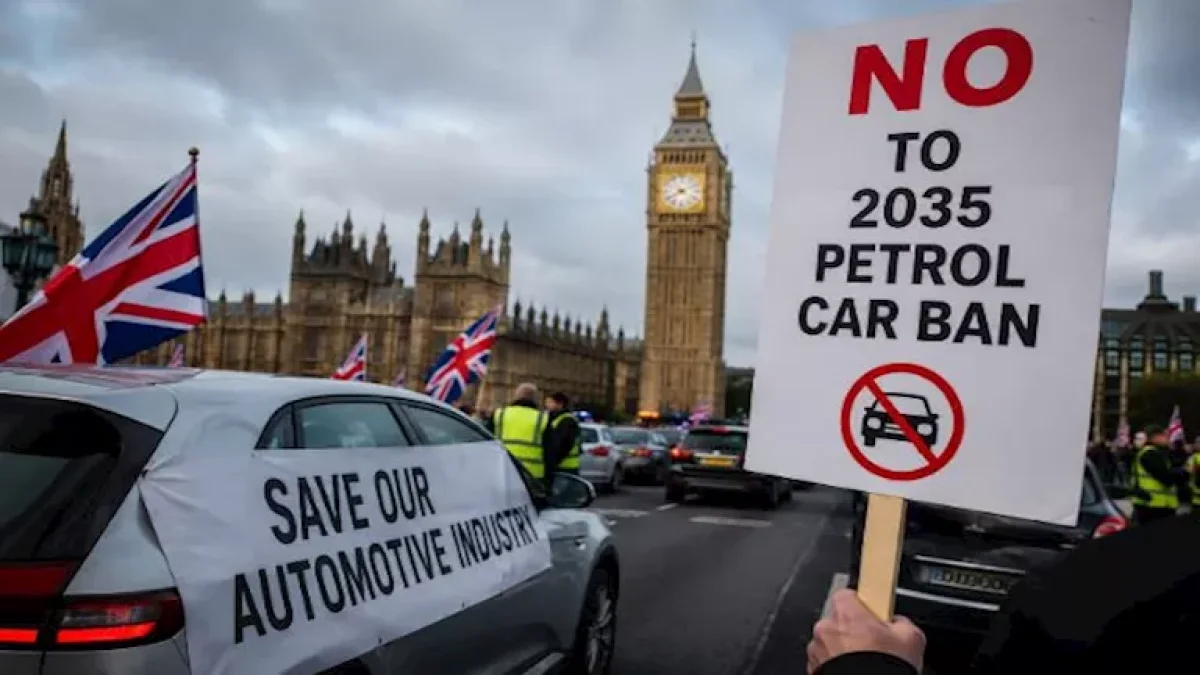
UK Rethinks EV Strategy: 4 New Pathways to 2035
The UK government has begun reviewing its zero-emission vehicle mandate through four proposed alternative pathways. Three pathways keep the 2035 ban but lower the 2030 target to 50% instead of 80%. A fourth pathway suggests keeping current targets with added flexibility for automakers. The review comes amid supply chain disruptions and weak consumer demand.
The UK government has launched a comprehensive review of its zero-emission vehicle mandate, aiming to ease mounting pressure on automakers facing demand challenges and global supply chain disruptions. This strategic shift comes at a critical time for the European automotive sector.
The current numbers are ambitious, to say the least. Rules introduced in 2024 require manufacturers to progressively increase their zero-emission vehicle share, with electric cars expected to represent 33% of new sales by 2026, rising to 80% by 2030, and reaching a complete 100% by 2035.
Government Consultation Details
On Friday, the government opened consultations with the automotive industry to explore four alternative pathways for adjusting EV transition targets while preserving the overall direction toward emissions reduction. This move represents a tacit acknowledgment of the difficulties companies face in meeting current goals.
The four pathways offer distinctly different approaches to addressing today's challenges. Three of these maintain the 2035 end-date for new zero-emission sales but reduce the interim 2030 target to 50% instead of 80% — a significant adjustment that reflects current market realities.
The Fourth Pathway: Flexibility First
The fourth pathway takes a fundamentally different approach. It proposes keeping existing targets intact while introducing greater flexibility to help automakers achieve required percentages and comply with regulations — a solution favored by most major manufacturers.
Automakers face mounting challenges in the current climate. Supply chain disruptions and weak consumer demand for electric vehicles make achieving current targets increasingly difficult. The industry also grapples with uncertainty surrounding global trade and tariff policies, compounded by economic pressures squeezing markets across Europe.
A final decision is expected in the coming weeks, with these consultations representing a golden opportunity to recalibrate policies in line with market dynamics while maintaining the UK's long-standing environmental commitments.
Frequently Asked Questions
3 questions answered
Related News
View All News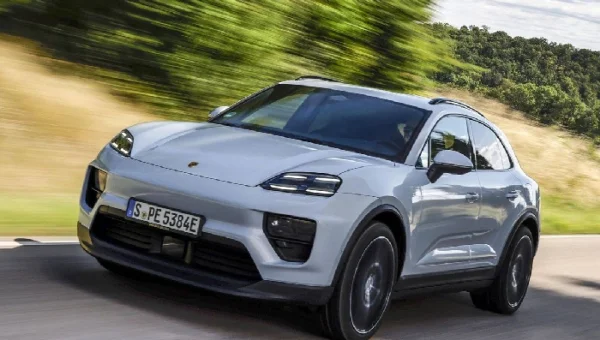
Porsche Brings Petrol Power Back to Macan Class with New SUV in 2028
Porsche is preparing to reintroduce petrol and hybrid engines to the compact SUV segment through a new standalone model planned for around 2028. The move follows the end of combustion…

Tarek Masoud: Africa Has a Historic Opportunity to Build a Global Auto Industry Hub
Tarek Masoud, President of the African Association of Automotive Manufacturers, called on governments and the private sector to accelerate concrete industrial projects rather than just policies. Speaking at the Africa…

General Motors Sales Drop 5.5% in Q3 as EV Demand Cools
General Motors announced a 5.5% drop in Q3 sales to 670,974 vehicles. Electric vehicle sales plummeted after federal incentives ended, with Equinox EV falling 92.4%. Meanwhile, Toyota's electrified vehicle sales…

Alfa Romeo Unveils the Only 33 Stradale Perla Nera in the World at Arese Museum
Alfa Romeo has unveiled the only unit in the world of its 33 Stradale Perla Nera, featuring a fully exposed carbon fiber body with a matte finish. The car is…
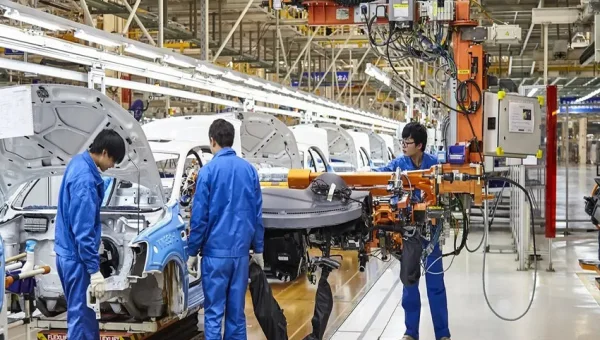
China Faces Crisis as 4 Million Unsold Cars Pile Up — Experts Warn of Golden Era's End
China's automotive industry is grappling with a mounting crisis as more than 4 million unsold vehicles pile up in the world's largest car market. Production stands at 33 million cars…