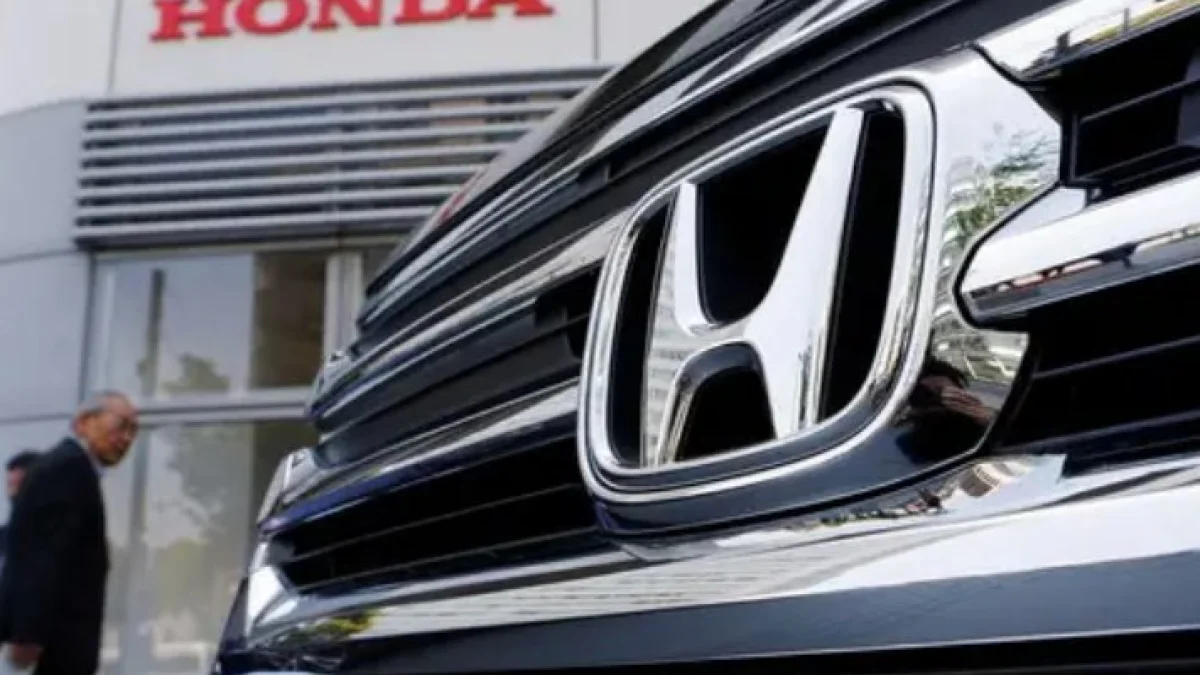
Trump Tariffs Threaten Toyota and Honda Production and Intensify Auto Industry Pressures
President Donald Trump announced new 50% tariffs on vehicles imported from Canada, effective January 1, 2027. Toyota and Honda represent over three-quarters of Canadian auto production, with Canadian-built cars making up 25% of Honda's US sales. The decision threatens plant closures and higher costs for both automakers amid intensifying Chinese competition in the electric vehicle market.
Could a single policy decision reshape the entire North American auto manufacturing map? Toyota and Honda are facing mounting risks from proposed US tariffs on Canadian-built vehicles, with a new 50% duty scheduled to take effect on January 1, 2027, up from the current 25% rate. The decision threatens to upend production and trade flows across the continent's automotive sector.
Canada Remains the Backbone of American Sales
The numbers tell a stark story. Toyota and Honda account for more than three-quarters of all vehicles manufactured in Canada, placing them directly in the crosshairs of Washington's trade strategy. Barclays analysts estimate that Canadian-built vehicles represented roughly a quarter of Honda's US sales last year, compared to 17% for Toyota — among the highest exposure levels of any major automaker.
Canada produces approximately 1.2 million vehicles annually. That massive output supports around 427,000 direct and indirect jobs, meaning any production disruption would ripple through the entire Canadian economy and North American supply chains. Doubling the tariffs would impose significant costs on both companies, potentially forcing them to shutter some Canadian assembly lines once the duties take effect.
The Most Exposed Models
Among the key vehicles exported from Canadian plants to US dealerships are the RAV4 from Toyota and the CR-V from Honda — both among the best-selling SUVs in the American market. These models rely heavily on Canadian manufacturing capacity as a primary supply hub, making them particularly vulnerable to the proposed tariff structure.
Chinese Competition Adds Another Layer of Pressure
The tariff threat arrives amid escalating pressures on Toyota and Honda from disrupted global supply chains and intensifying competition from low-cost Chinese electric vehicles flooding international markets. The Japanese giants now find themselves squeezed between Washington's trade barriers and aggressive Asian rivals reshaping the industry's competitive landscape.
The American decision threatens to redraw the entire production map for North America's automotive sector. Both companies face expensive choices: absorb the added costs and pass them to consumers, relocate production facilities, or reduce Canadian operations. Each option carries significant consequences for the US market. That depends on these plants to satisfy growing demand for sport utility vehicles.
Frequently Asked Questions
3 questions answered
Related News
View All News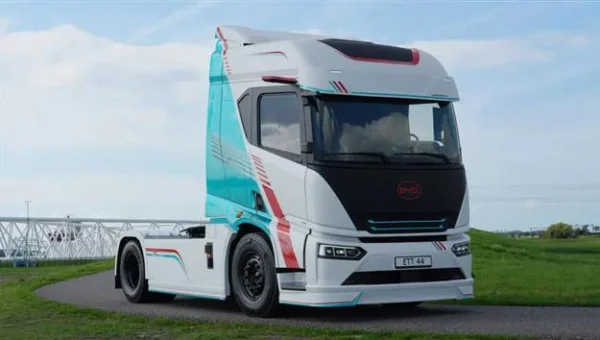
BYD Launches 600 km Electric Truck Offensive Against European Giants
BYD has announced its entry into Europe's heavy truck sector with an electric model offering up to 600 kilometers of range and a 20% to 80% charge time of roughly…
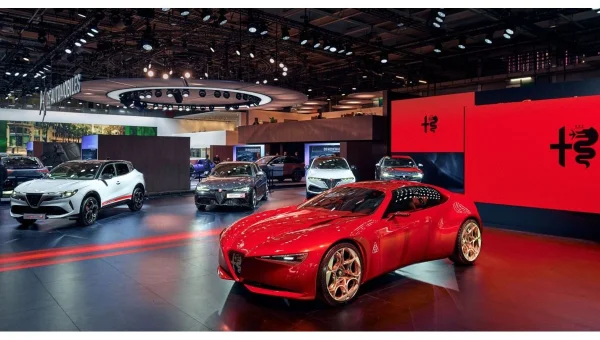
Alfa Romeo Steals the Spotlight at Paris Motor Show 2026 with Cuorerosso Concept
Alfa Romeo has unveiled the Cuorerosso concept car in its world premiere at the Paris International Motor Show 2026. The stand features the Junior, Tonale, Giulia, and Stelvio in the…
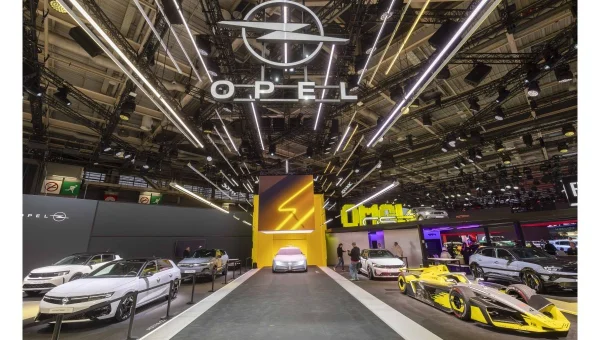
Opel Unveils High-Performance GSE Models at Paris Motor Show 2026
Opel has revealed its complete GSE high-performance lineup at the Paris Motor Show 2026, featuring the world premiere of the GSE 27FE electric race car with over 800 horsepower. The…
Opel Unveils STX Concept at Paris 2026: The Future of Electric Station Wagons
Opel revealed its STX Concept at the 2026 Paris Motor Show, presenting a vision for the future of electric station wagons. The vehicle features an evolved Vizor front fascia and…
Citroen Revives 2 CV Fourgonnette with Electric Concept at Paris Motor Show 2026
Citroen has revealed the 2 CV Fourgonnette Concept at the 2026 Paris Motor Show alongside the 2 CV Concept. The design study offers a fully electric, modern reinterpretation of the…