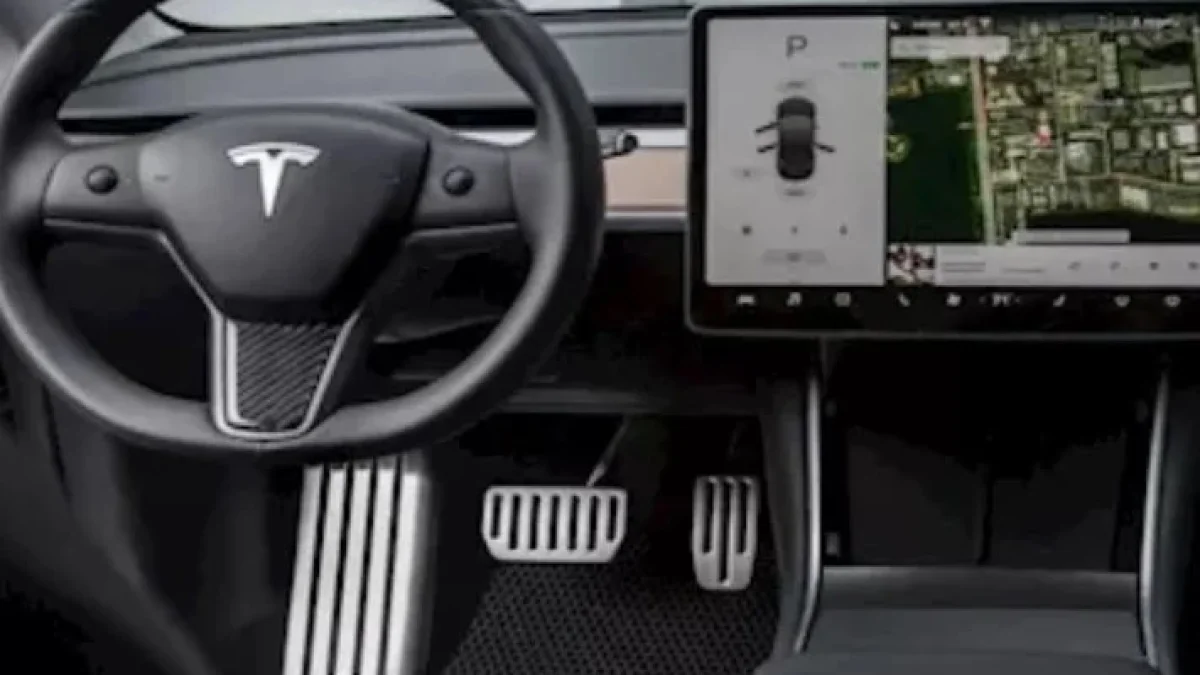
Tesla Defends Self-Driving Safety with 100 Million KM of European Data
Tesla is intensifying its push for broader European approval of its Full Self-Driving system, backed by new safety data. The FSD system recorded about 4.1 times fewer collisions than manual driving across five European countries. The data is based on over 100 million kilometers collected between April and August. The company faces regulatory scrutiny over its comparison methodology ahead of an expected vote on expanding usage.
Tesla is pushing hard to win broader European Union approval for its Full Self-Driving (FSD) supervised system, armed with fresh safety data. The headline figure? The system recorded about 4.1 times fewer collisions than manual driving in the five European countries where it's currently allowed. That's a bold claim — and regulators are watching closely.
Over 100 Million Kilometers of Real-World Data
The American automaker based its results on more than 100 million kilometers (62 million miles) of driving data collected between April and August. During that window, Tesla vehicles equipped with FSD were involved in just 3 highway collisions and 9 non-highway crashes, compared to 137 and 490 respectively for manually driven cars. The gap is substantial — but is the comparison fair?
First European Approvals for FSD
Netherlands became the first European nation to grant temporary approval in April. Belgium, Denmark, Estonia, and Lithuania followed suit, boosting Tesla's hopes for a broader EU-wide green light. The company is now intensifying its lobbying efforts ahead of an expected vote on expanding the technology's usage across the bloc.
Yet the data faces serious scrutiny from regulators and safety experts. Earlier reports suggested that the safety statistics Tesla submitted to European authorities relied on invalid comparisons that could mislead the public about the system's true performance. Experts argue that comparing FSD-equipped vehicles against an entire fleet of manual cars doesn't account for different driving conditions and driver behaviors.
In a move aimed at boosting transparency, Tesla published an open-source safety dashboard on its website Tuesday. The company says it had already shared this data with EU regulators back in April, well before the current debate intensified over how the numbers were gathered and interpreted.
The stakes couldn't be higher. A broader European approval would open a massive market of hundreds of millions of potential drivers for Tesla's FSD software, and serve as a major boost for the company's shift toward a software-driven business model with monthly subscriptions at its core.
Frequently Asked Questions
3 questions answered
Related News
View All News
Opel CEO: 1000 km Electric Car Possible Technically, But Economically Illogical
Opel CEO Florian Huettl stated that a 1,000-kilometer electric car is technically feasible but economically illogical due to cost and weight. Speaking at the 2026 Paris Motor Show, he explained…
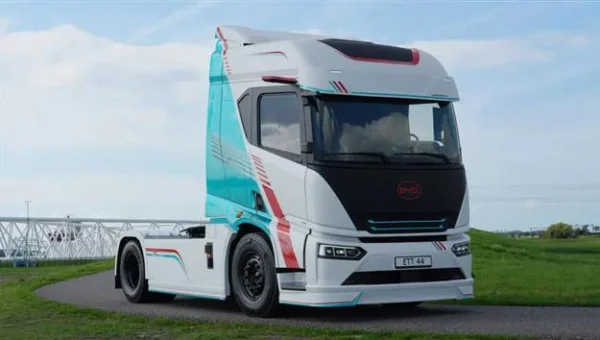
BYD Launches 600 km Electric Truck Offensive Against European Giants
BYD has announced its entry into Europe's heavy truck sector with an electric model offering up to 600 kilometers of range and a 20% to 80% charge time of roughly…
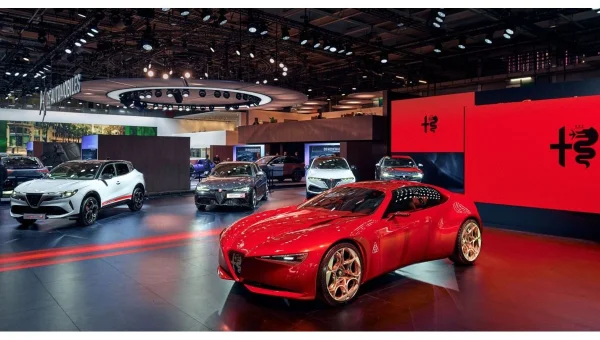
Alfa Romeo Steals the Spotlight at Paris Motor Show 2026 with Cuorerosso Concept
Alfa Romeo has unveiled the Cuorerosso concept car in its world premiere at the Paris International Motor Show 2026. The stand features the Junior, Tonale, Giulia, and Stelvio in the…
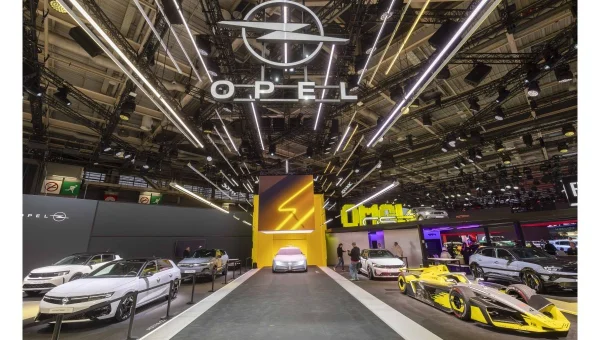
Opel Unveils High-Performance GSE Models at Paris Motor Show 2026
Opel has revealed its complete GSE high-performance lineup at the Paris Motor Show 2026, featuring the world premiere of the GSE 27FE electric race car with over 800 horsepower. The…
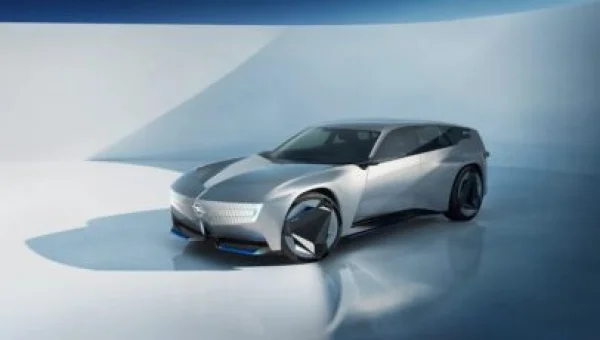
Opel Unveils STX Concept at Paris 2026: The Future of Electric Station Wagons
Opel revealed its STX Concept at the 2026 Paris Motor Show, presenting a vision for the future of electric station wagons. The vehicle features an evolved Vizor front fascia and…