Opel CEO: 1000 km Electric Car Possible Technically, But Economically Illogical
Opel CEO Florian Huettl stated that a 1,000-kilometer electric car is technically feasible but economically illogical due to cost and weight. Speaking at the 2026 Paris Motor Show, he explained that increasing range requires larger, heavier batteries. Opel's strategy focuses on tailoring battery size to actual usage and balancing price, weight, and efficiency.
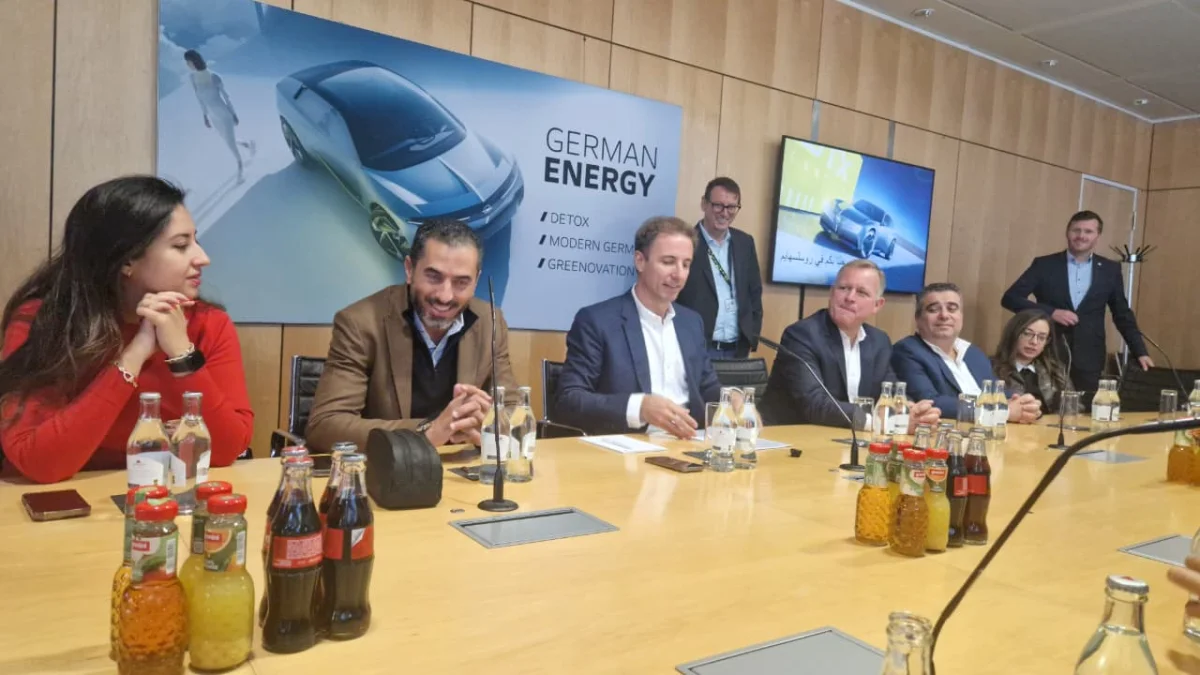
Opel CEO Florian Huettl has confirmed that building an electric car with a 1,000-kilometer range is technically feasible. But it's an economically illogical decision. He made these remarks during a press conference at the 2026 Paris International Motor Show, attended by Egyptian journalists on a media trip organized by Stellantis Al-Mansour Automotive. The number sounds impressive. Yet Huettl argues that the high cost and extra weight of large batteries make this option far from ideal. The real question: does a consumer actually need 1,000 kilometers on a single charge?
Opel Outlines Battery Strategy in Paris
At the show, Huettl discussed the company's strategy for battery development and driving range. He explained that increased range isn't a free feature. Every extra kilometer requires a larger battery, which impacts the car's cost, weight. The space occupied by electrical components. Some companies compete over high range figures. But Opel prefers to focus on the actual needs of customers, rather than developing specs most users may never need in daily life. The logic is completely different.
Why Not Every Car Needs a Massive Battery
A small car used primarily in cities doesn't necessarily need a battery that provides the same range as a large car designed for long trips. That's what Huettl emphasized. He added that Opel can technically reach a 1,000-kilometer range. But installing a battery of that size in cars isn't a rational decision in terms of cost and efficiency. The real challenge isn't the numbers—it's delivering a balanced experience. Consumers want a practical EV, not just a digital one.
Balancing Price, Weight, and Efficiency
Opel's strategy is based on designing batteries according to the target segment and usage patterns. This allows maintaining affordable prices without sacrificing basic customer needs. Huettl stressed that the future of electric cars doesn't rely on increasing range alone. It depends on achieving a balance between price, weight, efficiency, and ease of use. The 2026 Paris Motor Show was the perfect platform to convey this vision. The message is clear: no exaggeration with numbers.
What This Means for the Egyptian Market
The Egyptian market is preparing to welcome more electric vehicles. But economic challenges impose a different reality. Egyptian consumers are looking for an EV with reasonable range and an affordable price. Huettl's comments suggest that companies may move toward smaller, lighter, and cheaper batteries. This could help lower EV prices and make them accessible to a wider audience. But the question remains: can Opel deliver an electric car with a 400-kilometer range at a competitive price in Egypt? The answer could shape the market in the coming years. The bet is on efficiency, not numbers.
Frequently Asked Questions
3 questions answered
Related News
View All News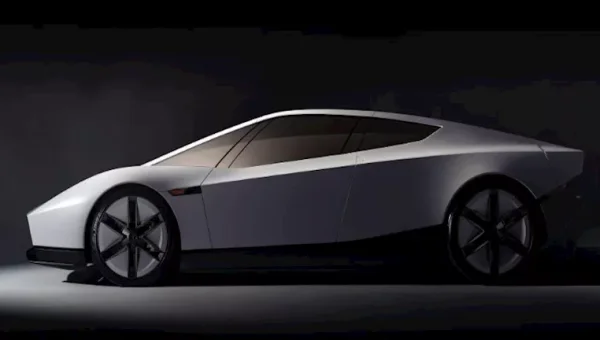
Tesla Roadster Jumps Mid-Air with SpaceX-Inspired Rocket Technology
Tesla has revealed the next-generation Roadster in a Texas demonstration where the car jumped into the air and rotated before landing, using thrusters inspired by SpaceX rockets. The system relies…
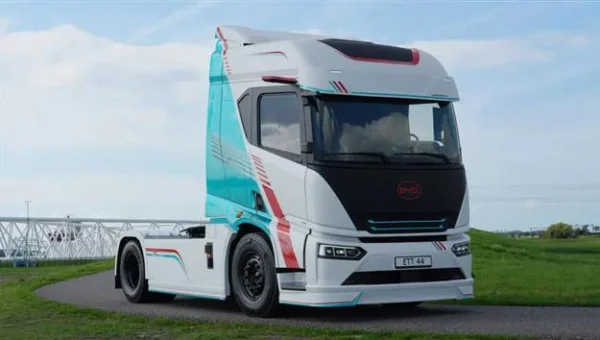
BYD Launches 600 km Electric Truck Offensive Against European Giants
BYD has announced its entry into Europe's heavy truck sector with an electric model offering up to 600 kilometers of range and a 20% to 80% charge time of roughly…
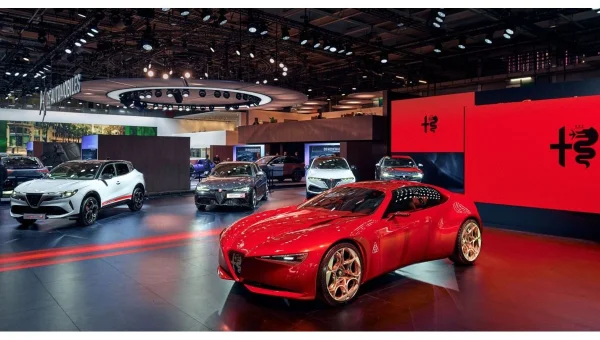
Alfa Romeo Steals the Spotlight at Paris Motor Show 2026 with Cuorerosso Concept
Alfa Romeo has unveiled the Cuorerosso concept car in its world premiere at the Paris International Motor Show 2026. The stand features the Junior, Tonale, Giulia, and Stelvio in the…
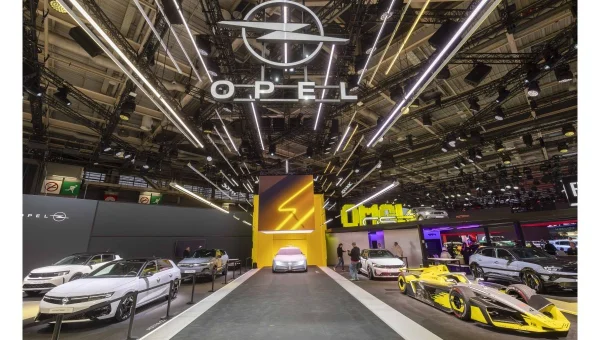
Opel Unveils High-Performance GSE Models at Paris Motor Show 2026
Opel has revealed its complete GSE high-performance lineup at the Paris Motor Show 2026, featuring the world premiere of the GSE 27FE electric race car with over 800 horsepower. The…
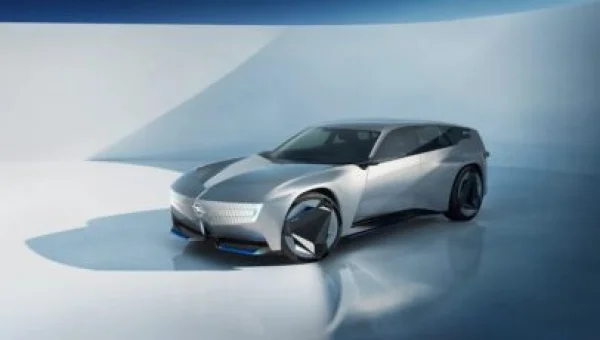
Opel Unveils STX Concept at Paris 2026: The Future of Electric Station Wagons
Opel revealed its STX Concept at the 2026 Paris Motor Show, presenting a vision for the future of electric station wagons. The vehicle features an evolved Vizor front fascia and…