

Subaru Bids Farewell to Boxer Engines in Europe After 60 Years: Three EVs Lead the New Era
Subaru has confirmed it will stop selling combustion and hybrid cars in Europe by 2028, relying solely on three fully electric models. The decision affects the Forester, Crosstrek, and Impreza, but doesn't halt global boxer engine production. The United States remains the key market for boxer engines, while the company commits to full electrification in Europe.
The boxer rumble is leaving Europe. Subaru has officially confirmed it will stop selling combustion-engine cars in the European market by 2028, relying solely on fully electric models. The decision extends to hybrid models that still depend on boxer engines, including the Forester, Crosstrek. Impreza, marking a radical shift in the Japanese brand's European strategy.
Why Is Subaru Abandoning Its Engineering Legacy?
European pressure is the real driver behind the move. Tightening CO2 emission requirements and safety/driver-assistance regulations are raising the cost of developing and homologating current vehicles. Brands with relatively limited sales volumes in Europe find it increasingly hard to justify those costs. Subaru chose the path of least resistance.
But what does this mean for boxer enthusiasts? The legendary engine won't disappear entirely. The company confirmed that boxer engine production will continue globally, while the halt applies only to new-car sales plans in Europe. The United States remains the largest and most important market for Subaru models equipped with these engines, and the Forester, Impreza, and the rest of the family will continue relying on the boxer there for years to come.
Six Decades of Unique Engineering: The Boxer Story Since 1966
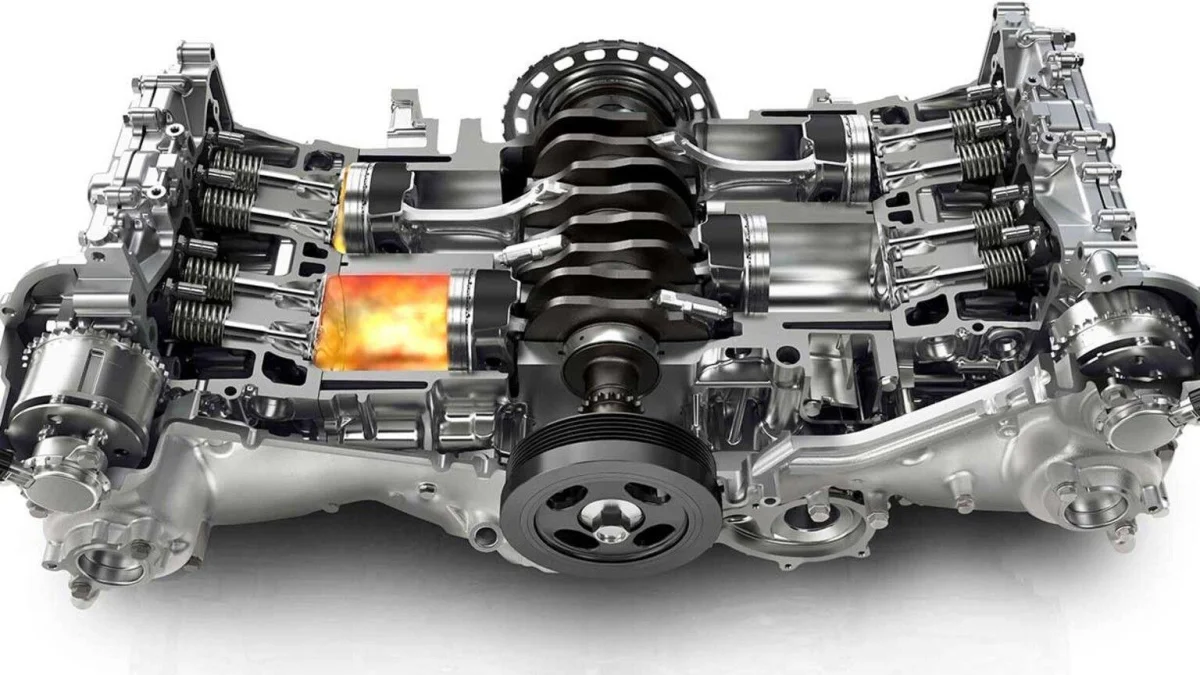
The number speaks for itself. Since 1966, Subaru has relied on horizontally opposed cylinder engines. That differ fundamentally from conventional inline or V-configuration engines. In a boxer engine, pistons move horizontally opposed on both sides of the crankshaft, lowering the vehicle's center of gravity, improving balance. Reducing vibrations from internal components.
This design gave Subaru an engineering identity like no other. When paired with the Symmetrical AWD system, the duo became a trademark for the Japanese brand in off-road driving and rally racing. That same legacy is what makes the decision to abandon it controversial within Europe.
Three Electric Cars Lead the New Phase
The next phase will rely on three fully electric cars. Subaru has not yet revealed final names or detailed specifications, but the direction is clear: a full electric transition in Europe by 2028. This means the Forester, Crosstrek. Impreza will get pure-electric replacements, not just hybrid versions as previously expected.
Markets outside Europe won't be affected by this shift. Subaru will continue selling boxer hybrid and conventional models in the United States and other markets, meaning the legendary engine will remain for years, just not in the continent that imposed the new rules of the game.
Will this shift reach Egypt and the Middle East? The European decision doesn't currently apply to the region, but it reflects a clear global trend toward electrification. Subaru followers in Egypt may find boxer models available for longer, but the distant future carries inevitable electrification.
Frequently Asked Questions
3 questions answered
Related News
View All News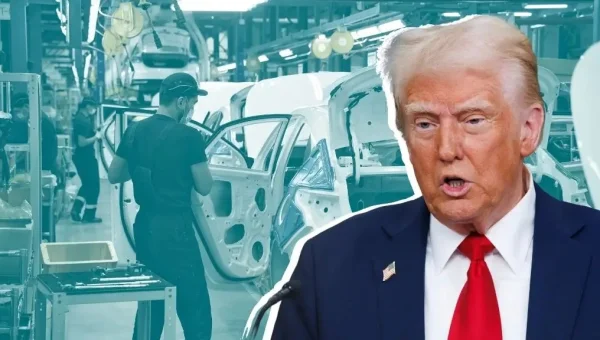
Trump Tariffs Reach Auto Repair Shops: Brake Job Bill Jumps from $300 to $500
A brake repair at a Virginia shop now costs about $500, up from $300 in 2024 — a jump exceeding 66%. Trump's tariffs reached repair shops through higher imported parts…
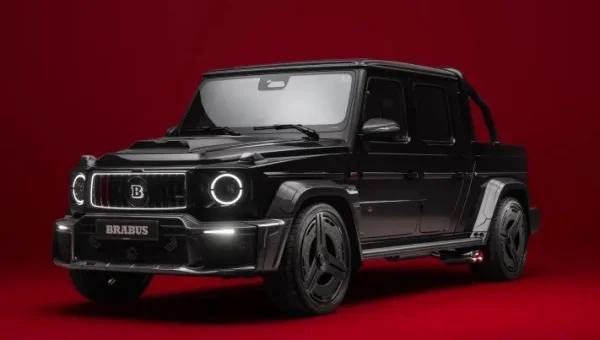
BRABUS P 900 Rocket Edition: Mercedes G-Class Transformed into a 900-HP Pickup Beast
BRABUS has revealed the P 900 Rocket Edition, a modified Mercedes AMG G 63 producing 900 horsepower and limited to only 10 units worldwide. The wheelbase was stretched by 50…
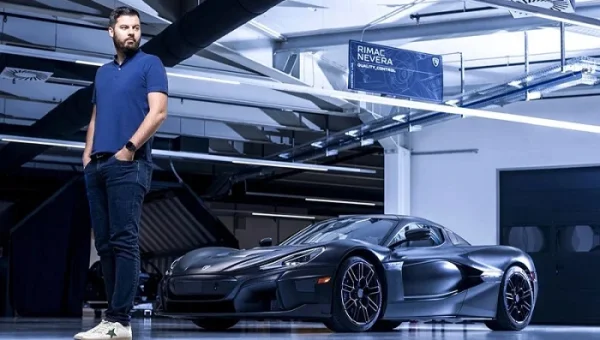
Bugatti Chief: Petrol Engines Will Survive in Hypercars Despite the EV Wave
Mate Rimac, CEO of Bugatti Rimac, told CNBC that petrol engines will retain their place in hypercars and luxury vehicles despite the global shift toward electric power. He argued that…
Tesla Roadster's Hidden Secret: 690-Bar Nitrogen Tank and a 6-Hour Refill Challenge
Tesla Roadster's compressed-gas thrust system takes between two and six hours to refill, according to Lars Moravy, Tesla's VP of vehicle engineering, with a target of under 30 minutes. The…
Self-Driving Vehicles Set to Hit 126 Million Units and $1.9 Trillion Market by 2032
Global self-driving vehicle numbers are expected to jump from 64 million to 126 million within five years. The market is currently valued at $191 billion and is projected to reach…

