

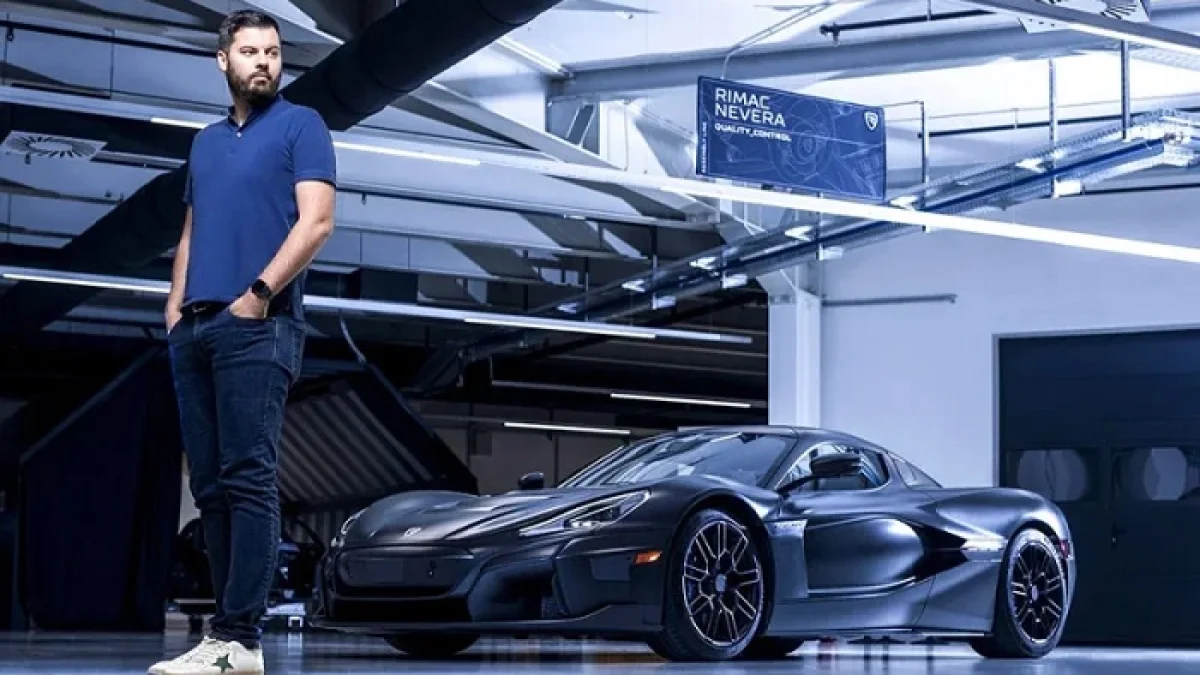
Bugatti Chief: Petrol Engines Will Survive in Hypercars Despite the EV Wave
Mate Rimac, CEO of Bugatti Rimac, told CNBC that petrol engines will retain their place in hypercars and luxury vehicles despite the global shift toward electric power. He argued that scarcity, craftsmanship, and mechanical engineering — not acceleration or top speed — will define the segment's future. Rimac compared hypercars to Swiss luxury watches, which kept their value even as smartwatches became more technologically advanced.
Petrol engines aren't going anywhere in the hypercar segment. That is the message from Mate Rimac, founder of Croatia's electric hypercar maker Rimac and CEO of Bugatti Rimac, who told CNBC that combustion power will remain central to the most expensive performance cars on the planet. The irony is hard to miss, given that Rimac built his reputation on electric hypercars.
Rimac: Hypercars Are Not Just About Acceleration
Raw speed doesn't define a hypercar. Rimac argues that the future of multi-million-dollar cars won't be decided by 0-100 km/h times or top speed figures, but by scarcity, mechanical engineering, craftsmanship. The experience wealthy buyers are actually chasing. A customer spending millions isn't paying for transport from point A to B, he says, but for an exceptional driving experience and a piece of engineering art that can't be replicated.
The Swiss Watch Analogy
Technological progress doesn't kill high-priced traditional products. The Bugatti chief points to the watch industry, where smartwatches now outperform mechanical timepieces on almost every function, yet demand for luxury Swiss watches has not disappeared. A small fraction of the world's watches are made in Switzerland, but that fraction captures the largest share of industry profits, because buyers pay for craftsmanship, heritage, design. Rarity, not just for telling the time.
Does that logic hold for cars? Rimac believes it does. Hypercars may follow the same path as Swiss watches, retaining their value and status even as more advanced technical alternatives emerge. His comments land at a moment when major global manufacturers are pouring billions into battery and electric motor development, racing toward full electrification.
Electric vs Petrol: The Future of Luxury Cars
The picture isn't black and white. Global EV sales are climbing fast, yet the hypercar and luxury segment remains loyal to multi-cylinder petrol engines. This slice of the market is tiny in volume but generates massive profit margins, drawing its value from the same elements Rimac cites: rarity, craftsmanship, and heritage. Hypercar makers face a tough equation between complying with strict emissions rules in Europe and preserving the identity their loyal customers expect.
Petrol engines in hypercars are more than a propulsion method. They are part of the driving experience — the sound, the response, the mechanical feel that electric motors struggle to replicate despite superior numbers. Rimac is touching a sensitive nerve in the industry: not every car needs a battery. Not every kind of speed requires one.
Frequently Asked Questions
3 questions answered
Related News
View All News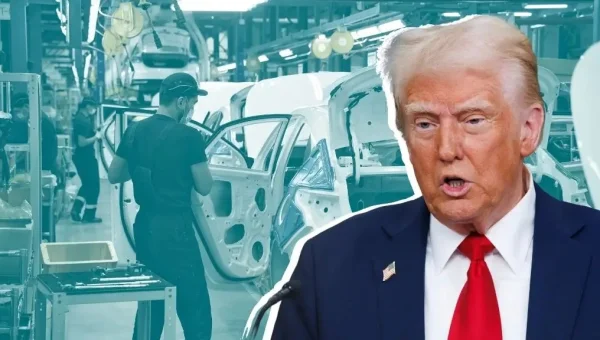
Trump Tariffs Reach Auto Repair Shops: Brake Job Bill Jumps from $300 to $500
A brake repair at a Virginia shop now costs about $500, up from $300 in 2024 — a jump exceeding 66%. Trump's tariffs reached repair shops through higher imported parts…
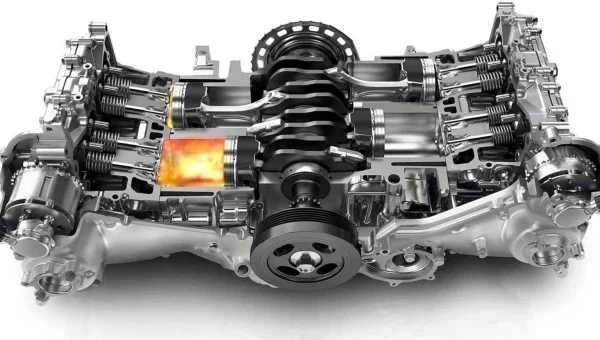
Subaru Bids Farewell to Boxer Engines in Europe After 60 Years: Three EVs Lead the New Era
Subaru has confirmed it will stop selling combustion and hybrid cars in Europe by 2028, relying solely on three fully electric models. The decision affects the Forester, Crosstrek, and Impreza,…
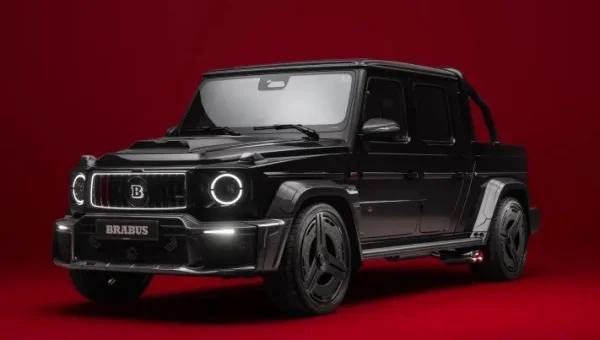
BRABUS P 900 Rocket Edition: Mercedes G-Class Transformed into a 900-HP Pickup Beast
BRABUS has revealed the P 900 Rocket Edition, a modified Mercedes AMG G 63 producing 900 horsepower and limited to only 10 units worldwide. The wheelbase was stretched by 50…
Tesla Roadster's Hidden Secret: 690-Bar Nitrogen Tank and a 6-Hour Refill Challenge
Tesla Roadster's compressed-gas thrust system takes between two and six hours to refill, according to Lars Moravy, Tesla's VP of vehicle engineering, with a target of under 30 minutes. The…
Self-Driving Vehicles Set to Hit 126 Million Units and $1.9 Trillion Market by 2032
Global self-driving vehicle numbers are expected to jump from 64 million to 126 million within five years. The market is currently valued at $191 billion and is projected to reach…

