

Nigeria's Green Shift: Tax Breaks for EVs They Charge With Generators
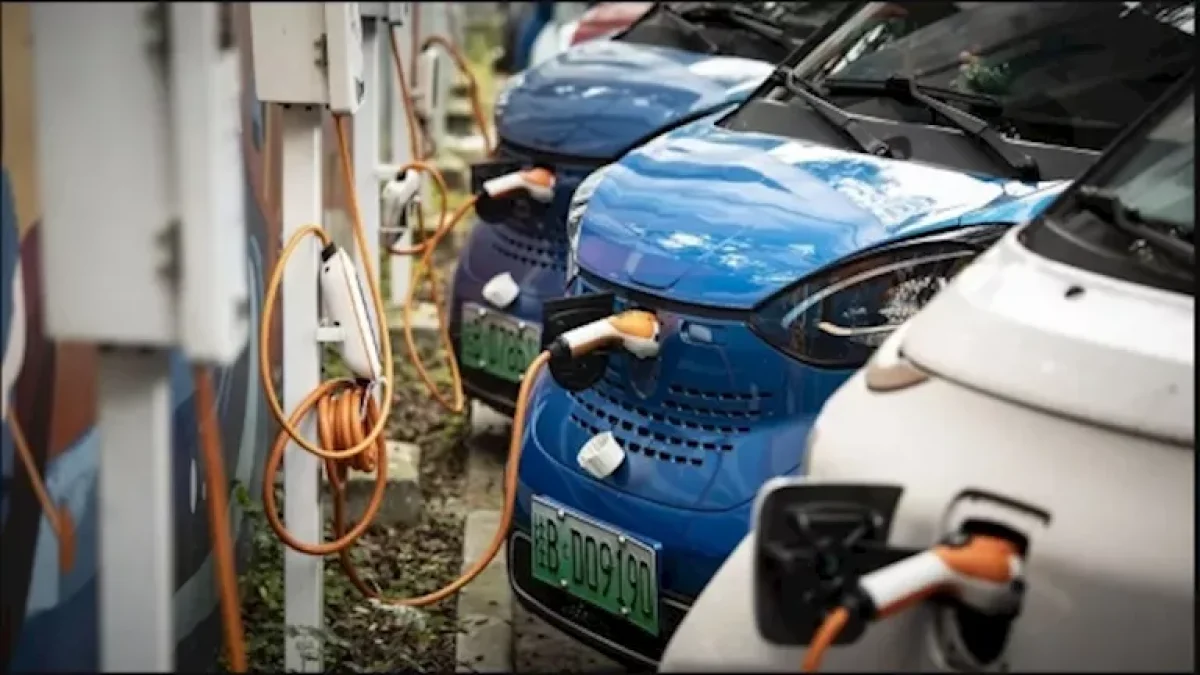
Nigeria is offering broad tax exemptions to encourage electric vehicle purchases, approving incentives for about 4,000 EVs in the first half of 2026. The country's power grid generates only 4,000 megawatts for over 200 million people, forcing EV charging to depend on petrol and diesel generators. The government aims to raise EVs to 60% of the national fleet by 2050. This contradiction between ambitious targets and infrastructure reality raises serious questions about the green transition's viability.
Nigeria is offering broad tax exemptions to push electric vehicle adoption, yet its crumbling power grid forces these cars to be charged using diesel and petrol generators. The government approved exemptions for roughly 4,000 EVs in the first half of 2026, a modest number against the ambitious target of 60% of the national fleet by 2050. The gap between ambition and reality is staggering.
Incentives Without Infrastructure
Government data reviewed by Reuters shows the incentive program also supports local assembly and manufacturing operations. Electric vehicles currently represent less than 1% of all vehicles in Nigeria, meaning achieving the stated goal demands an enormous infrastructure leap within three decades. But the biggest hurdle remains the energy source itself.
Nigeria generates just 4,000 megawatts of electricity to serve over 200 million people, placing it among the lowest major economies in per-capita power production. These figures make EV proliferation nearly impossible without an alternative power source, as homes and public stations effectively depend on traditional generators for battery charging. The pressing question emerges: is this a green transition or merely relocating pollution from tailpipes to generators?
Strategy or Environmental Contradiction?
The energy transition plan adopted in 2022 set clear goals, yet it collided with harsh economic realities. Instead of reducing emissions, this policy could increase fossil fuel consumption if generator reliance persists during charging. Analysts argue investing in solar-powered charging stations may offer the most viable solution.
The new program incentivizes EV purchases through electric vehicle prices, but its success hinges on the government's ability to resolve the electricity crisis first. Some startups are already experimenting with innovative solutions like rapid battery swapping and mobile solar-powered charging units, ideas that could shift Nigeria's experience from contradiction to leadership. The coming period will reveal whether these incentives can build a real market or remain ink on paper.
Nigeria's experiment offers a critical lesson for emerging EV markets across the region. The true value of this initiative will surface over the next five years, testing the government's capacity to upgrade the grid or pivot to renewable sources. Current numbers suggest a long road lies ahead toward a genuine green shift.
Frequently Asked Questions
3 questions answered
Related News
View All News
Porsche Brings Petrol Power Back to Macan Class with New SUV in 2028
Porsche is preparing to reintroduce petrol and hybrid engines to the compact SUV segment through a new standalone model planned for around 2028. The move follows the end of combustion…

Tarek Masoud: Africa Has a Historic Opportunity to Build a Global Auto Industry Hub
Tarek Masoud, President of the African Association of Automotive Manufacturers, called on governments and the private sector to accelerate concrete industrial projects rather than just policies. Speaking at the Africa…

General Motors Sales Drop 5.5% in Q3 as EV Demand Cools
General Motors announced a 5.5% drop in Q3 sales to 670,974 vehicles. Electric vehicle sales plummeted after federal incentives ended, with Equinox EV falling 92.4%. Meanwhile, Toyota's electrified vehicle sales…

Alfa Romeo Unveils the Only 33 Stradale Perla Nera in the World at Arese Museum
Alfa Romeo has unveiled the only unit in the world of its 33 Stradale Perla Nera, featuring a fully exposed carbon fiber body with a matte finish. The car is…
China Faces Crisis as 4 Million Unsold Cars Pile Up — Experts Warn of Golden Era's End
China's automotive industry is grappling with a mounting crisis as more than 4 million unsold vehicles pile up in the world's largest car market. Production stands at 33 million cars…

