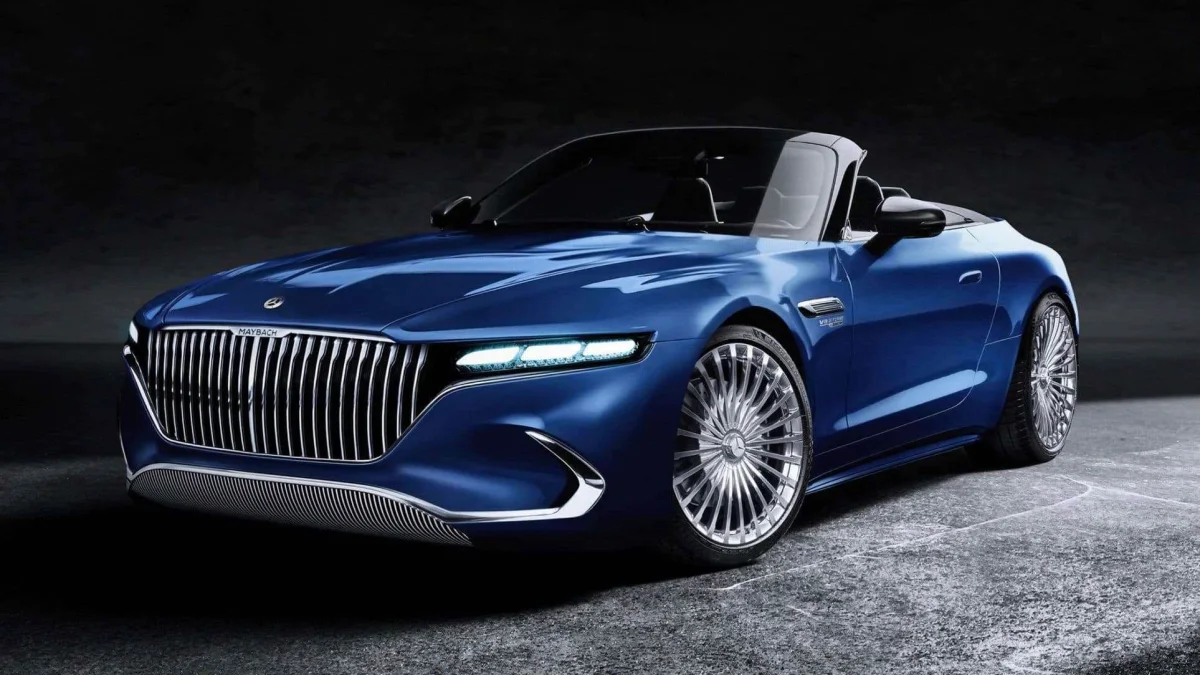
The Bitter Truth: A $600K Maybach Uses the Same Engine as AMG
A recent report revealed that the Mercedes-Maybach luxury sedan, priced over $600,000, shares its twin-turbo V8 with Mercedes-AMG performance models. The key difference lies in engine tuning and vehicle character, not in the core components. The Maybach brand traces back to engineer Wilhelm Maybach who worked with Daimler in the 1880s, returning in modern form in 2002 before becoming a Mercedes sub-brand in 2015. Powertrain sharing has become increasingly evident in the current generation, though Maybach engineers reprogram everything to deliver a distinctly different personality.
Paying hundreds of thousands of dollars doesn't necessarily buy you a unique engine. The Mercedes-Maybach luxury sedan, priced over $600,000, shares its twin-turbo V8 with sporty Mercedes-AMG models, according to a recent report from automotive outlet Jalopnik. The real difference isn't in the components themselves — it's in how the engine is tuned and the character of the car it powers.
Component Sharing Between Maybach and AMG
The current generation of Mercedes-Maybach relies heavily on sharing engines and platforms with Mercedes-AMG, particularly when it comes to eight-cylinder powerplants. Yet this technical convergence doesn't mean both cars deliver the same experience; Maybach engineers reprogram the ECU, suspension. Sound insulation to reflect a completely different personality from AMG's aggressive character. Some might call this engineering shortcut a betrayal, but it's actually a smart industrial strategy to cut costs while keeping both brands distinct.
Where Did the Maybach Story Begin?
The Maybach name carries a long history in automobile manufacturing, tracing back to German engineer Wilhelm Maybach who collaborated with Gottlieb Daimler in the 1880s. He helped develop one of the earliest gasoline-powered motorcycles, cementing his legacy in the industry. The brand returned to the luxury scene in 2002 when the Maybach 57 and Maybach 62 debuted, both built on the Mercedes S-Class W140 platform but with far higher levels of luxury and equipment. They used a 5.5-liter twin-turbo V12 producing 550 horsepower — a more powerful version of the 493-hp engine found in the Mercedes S 600 of that era.
How Maybach Became Part of Mercedes
The Maybach name disappeared after 2012, only to return in a different form starting in 2015 — no longer a standalone brand but rather an ultra-luxury trim level within Mercedes-Benz's lineup. The comeback began with the S-Class, expanded to the GLS in 2019. Reached the SL in 2025 as a 2026 model, alongside the Mercedes-Maybach EQS electric SUV. The key point is that modern Maybach models are directly tied to cars wearing the Mercedes-Benz badge, making engine and platform sharing far more visible than in the past.
Here's the irony: someone paying this astronomical price gets the same iron block found under the hood of a far cheaper performance car, yet they gain a level of sound insulation and ride comfort that no AMG can match. The difference ultimately lies not in the engine itself but in how it behaves within a vehicle designed to be a rolling palace, not a track weapon. With this growing overlap between the two badges, one question remains — is the actual behind-the-wheel feel worth the massive price gap, or does the badge alone justify the millions?
Frequently Asked Questions
3 questions answered
Related News
View All News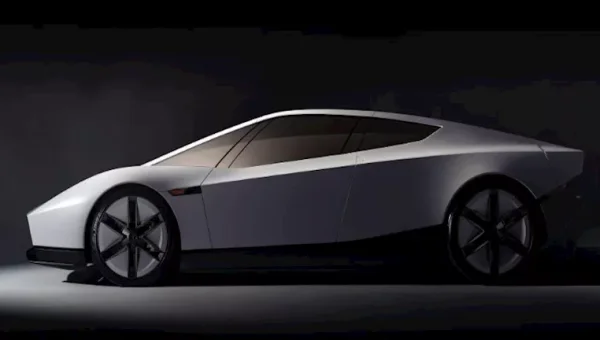
Tesla Roadster Jumps Mid-Air with SpaceX-Inspired Rocket Technology
Tesla has revealed the next-generation Roadster in a Texas demonstration where the car jumped into the air and rotated before landing, using thrusters inspired by SpaceX rockets. The system relies…
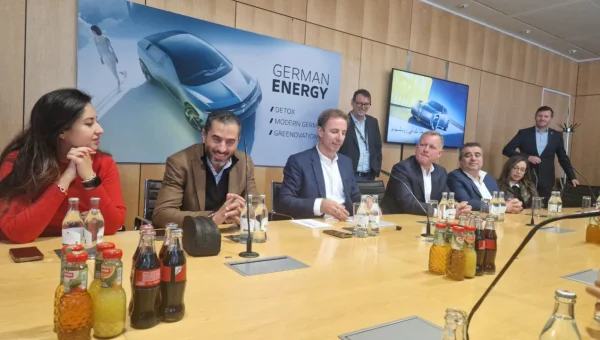
Opel CEO: 1000 km Electric Car Possible Technically, But Economically Illogical
Opel CEO Florian Huettl stated that a 1,000-kilometer electric car is technically feasible but economically illogical due to cost and weight. Speaking at the 2026 Paris Motor Show, he explained…
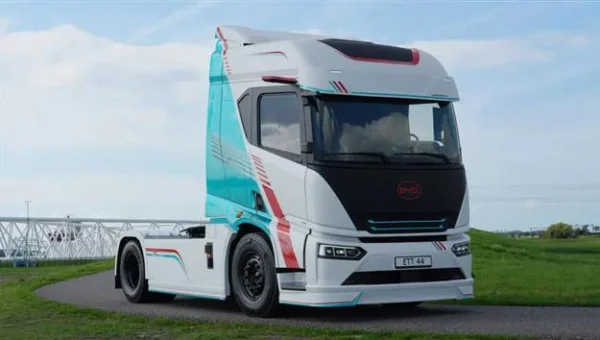
BYD Launches 600 km Electric Truck Offensive Against European Giants
BYD has announced its entry into Europe's heavy truck sector with an electric model offering up to 600 kilometers of range and a 20% to 80% charge time of roughly…
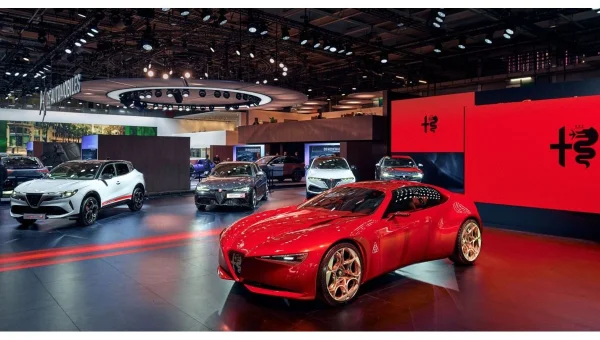
Alfa Romeo Steals the Spotlight at Paris Motor Show 2026 with Cuorerosso Concept
Alfa Romeo has unveiled the Cuorerosso concept car in its world premiere at the Paris International Motor Show 2026. The stand features the Junior, Tonale, Giulia, and Stelvio in the…
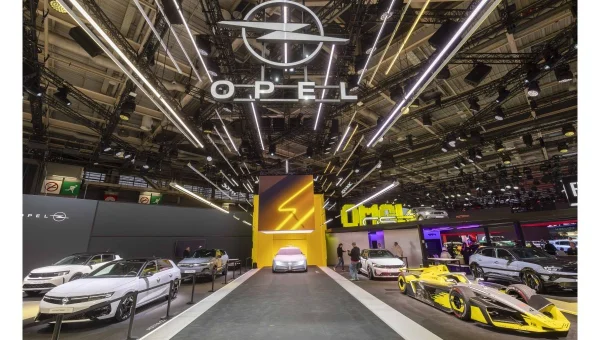
Opel Unveils High-Performance GSE Models at Paris Motor Show 2026
Opel has revealed its complete GSE high-performance lineup at the Paris Motor Show 2026, featuring the world premiere of the GSE 27FE electric race car with over 800 horsepower. The…