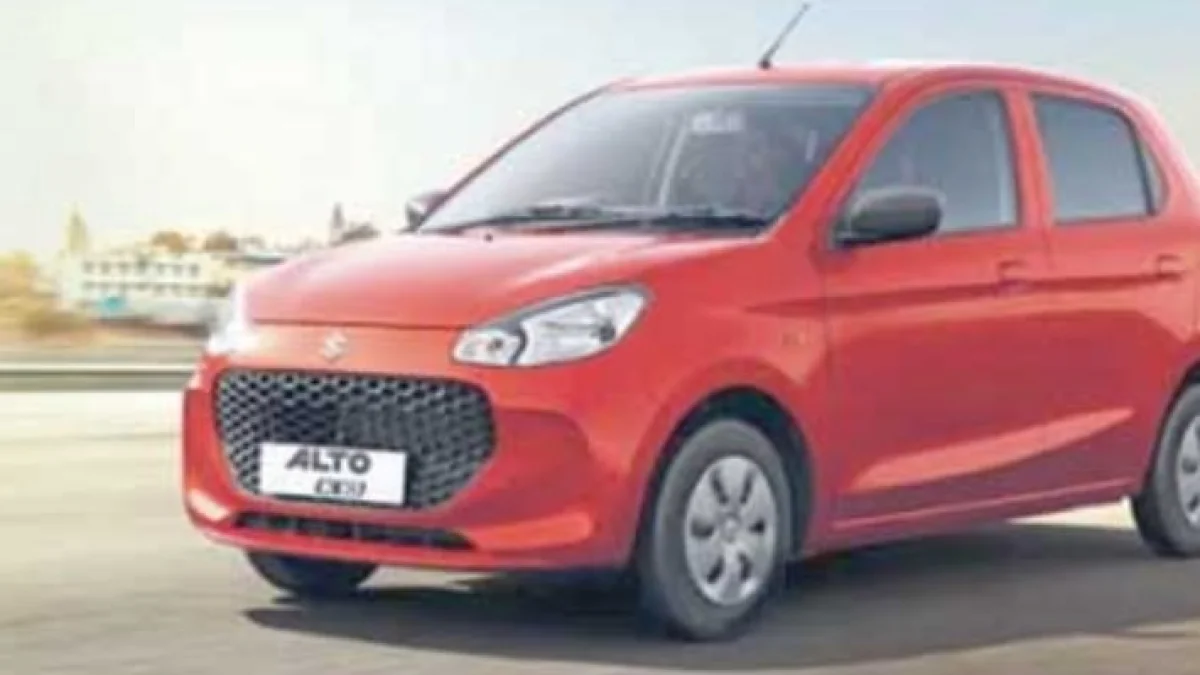
Maruti Suzuki Loses Part of Its Historical Dominance in India as Market Share Declines
For four decades, Suzuki built its Indian empire on a simple equation: low-cost cars that achieve the highest possible sales volume. The market has shifted dramatically in recent years, with rivals like Jeep and Mahindra aggressively entering segments that were once the Japanese brand's exclusive territory. Recent numbers confirm that the long-standing dominance is beginning to erode.
The Market Share Battle in India
The decline in Maruti Suzuki's market share in India raises questions about the future of the strategy it has relied on for decades. Competitors now offer Renegade and sporty crossovers at competitive prices, something that was rare in the past. The new market share figure is below the historical averages the company used to achieve, signaling a structural shift in Indian consumer preferences.
What Does This Decline Mean?
Small economy cars were the core of Suzuki Swift and Baleno's success in India, but demand has shifted toward higher segments. Indian consumers now look for more technology and larger vehicles, something that Hyundai and Kia excel at. This shift forces Maruti to restructure its portfolio quickly, otherwise the market share losses will continue.
Competition is no longer limited to small cars; it has expanded to electric and hybrid SUVs. Companies like Tata Motors have invested billions in developing electric models that directly compete with Suzuki's offerings. The market share gap between the Japanese company and its rivals is narrowing year after year, according to industry reports.
Data indicates that Maruti Suzuki remains the best-seller, but the margin separating it from chasers is shrinking. The real challenge is maintaining leadership without sacrificing profitability, especially with rising raw material costs and the global shift toward cleaner vehicles. The company's future in India depends on its ability to innovate in new categories, not just defend its glorious past.
Related News
View All News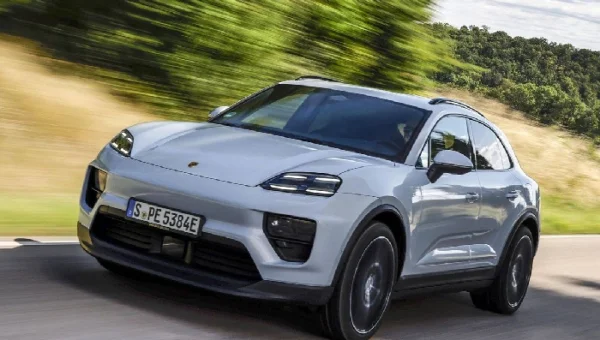
Porsche Brings Petrol Power Back to Macan Class with New SUV in 2028
Porsche is preparing to reintroduce petrol and hybrid engines to the compact SUV segment through a new standalone model planned for around 2028. The move follows the end of combustion…

Tarek Masoud: Africa Has a Historic Opportunity to Build a Global Auto Industry Hub
Tarek Masoud, President of the African Association of Automotive Manufacturers, called on governments and the private sector to accelerate concrete industrial projects rather than just policies. Speaking at the Africa…
General Motors Sales Drop 5.5% in Q3 as EV Demand Cools
General Motors announced a 5.5% drop in Q3 sales to 670,974 vehicles. Electric vehicle sales plummeted after federal incentives ended, with Equinox EV falling 92.4%. Meanwhile, Toyota's electrified vehicle sales…
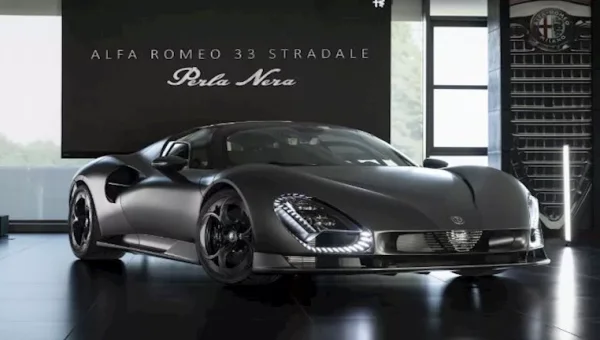
Alfa Romeo Unveils the Only 33 Stradale Perla Nera in the World at Arese Museum
Alfa Romeo has unveiled the only unit in the world of its 33 Stradale Perla Nera, featuring a fully exposed carbon fiber body with a matte finish. The car is…
China Faces Crisis as 4 Million Unsold Cars Pile Up — Experts Warn of Golden Era's End
China's automotive industry is grappling with a mounting crisis as more than 4 million unsold vehicles pile up in the world's largest car market. Production stands at 33 million cars…